Pradhan in Sambalpur: India rising, opposition creating chaos
Synopsis
Union Education Minister Dharmendra Pradhan addressed a live event in Sambalpur on November 10, 2026, crediting PM Modi for India's economic rise and accusing opposition parties of deliberately fomenting anarchy to disrupt national progress.
Key Takeaways
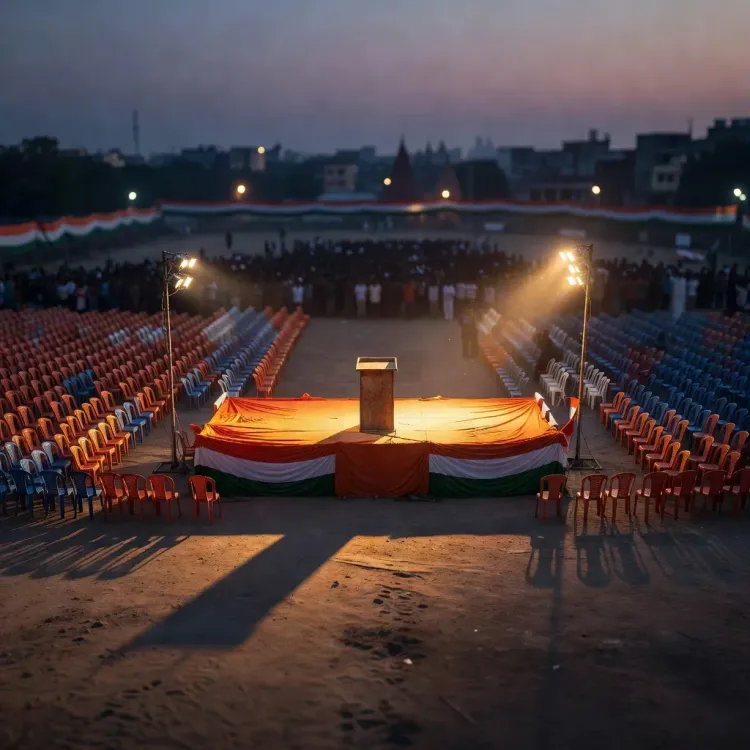
Union Education Minister Dharmendra Pradhan held a live political address in Sambalpur, Odisha on November 10, 2026 .
The event was held under the banner #LoktantraBachaoArajaktaHatao ('Save Democracy, Remove Anarchy').
Pradhan credited Prime Minister Narendra Modi for India's rise beyond the world's fifth-largest economy .
He accused opposition parties that have 'lost public support' of deliberately creating instability.
India overtook the UK to become the fifth-largest economy around 2022 , a milestone the BJP regularly cites.
Sambalpur is a key contested city in western Odisha, an important region for BJP's state-level political strategy.
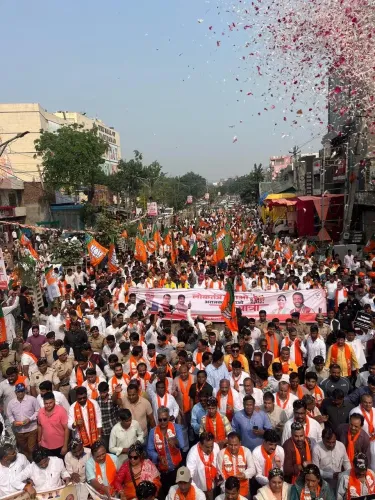
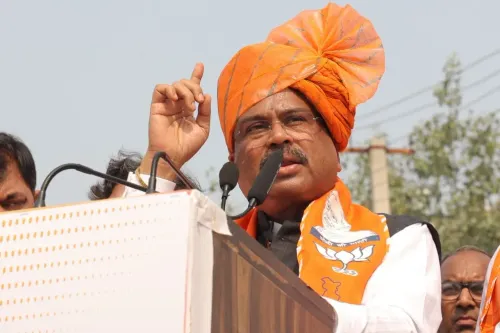
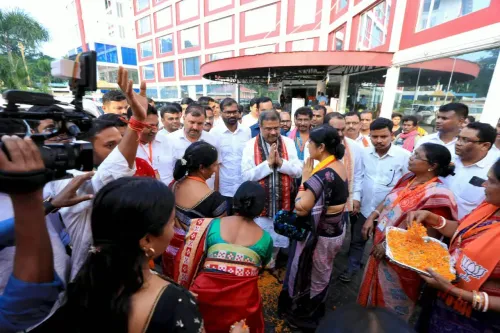
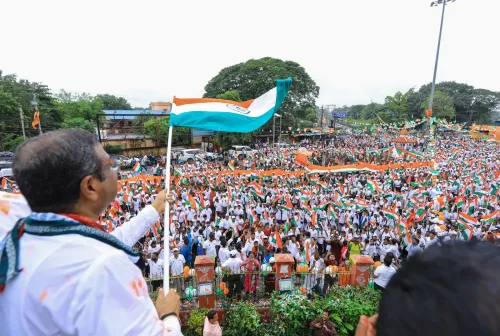
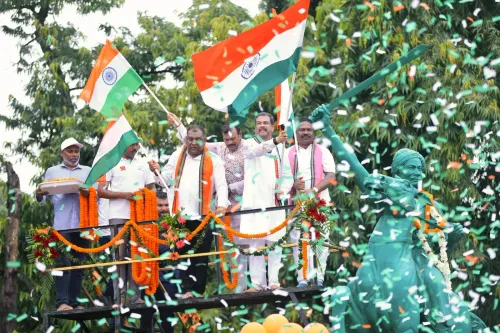
As India pushes past its status as the world's fifth-largest economy, Union Education Minister Dharmendra Pradhan took the fight to Sambalpur, Odisha, on Tuesday, November 10, 2026 — accusing opposition parties of manufacturing chaos to mask their electoral irrelevance.
Speaking live under the hashtag #LoktantraBachaoArajaktaHatao ('Save Democracy, Remove Anarchy'), Pradhan framed the gathering as a direct counter to what he called desperate disruption by parties that have 'lost public support.' His message was blunt: the country is ascending, and some are pulling it back.
The economic benchmark Pradhan planted his flag on
The claim of India moving 'beyond the fifth-largest economy' carries real weight in the BJP's political playbook. India overtook the United Kingdom to claim the fifth spot around 2022, a milestone the party has consistently cited in public addresses. Pradhan's framing — that this upward economic trajectory is under threat from political destabilisation — is a well-worn but potent argument in BJP campaign rhetoric, particularly in state-level arenas.
Sambalpur is not an accidental venue. Western Odisha has been a key battleground in the state's shifting political landscape, and Pradhan, as a senior BJP leader from the state, carries significant organisational weight here. A live-streamed address amplifies the message beyond the rally ground.
The 'Loktantra Bachao' framing — and what it signals
The hashtag and event title follow a recognisable BJP pattern: pair a national economic achievement with a sharp critique of opposition conduct. By labelling rival parties' actions as arajaktā ('anarchy'), Pradhan is not merely attacking policy positions — he is questioning the legitimacy of the opposition's very presence in public life. That is an escalation in register, not just a talking point.
The specific incidents Pradhan characterised as anarchy were not detailed in the post, and NationPress cannot independently verify the exact events being referenced. What is clear is the political architecture: a senior central minister, in a contested regional city, linking national economic pride to a demand that the opposition be held accountable by voters.
Opposition parties in Odisha have yet to issue a formal response to the Sambalpur address. What they say next — and how they frame India's economic story on their own terms — will tell us whether this rally marks the opening of a sharper political season in the state.
Point of View
Where the party has been consolidating its foothold. The 'anarchy' framing escalates the political temperature beyond routine policy debate, casting the opposition not as a legitimate rival but as a threat to democratic order itself. With a senior central minister live-streaming from a western Odisha city, the event doubles as both a campaign signal and a pressure tool on state-level party structures. How opposition parties respond to the economic narrative will shape whether this framing gains traction ahead of any state-level electoral cycle.
NationPress
10 Nov 2026
Frequently Asked Questions
What did Dharmendra Pradhan say at the Sambalpur event on November 10 2026?
Pradhan said that while India is rising beyond the world's fifth-largest economy under PM Modi's leadership, opposition parties that have lost public support are deliberately creating anarchy in the country. He spoke live under the hashtag #LoktantraBachaoArajaktaHatao.
What does #LoktantraBachaoArajaktaHatao mean?
#LoktantraBachaoArajaktaHatao translates from Hindi and Odia as 'Save Democracy, Remove Anarchy.' It was the banner under which Pradhan held his live address in Sambalpur.
Is India really the world's fifth-largest economy?
India overtook the United Kingdom to claim the fifth spot among the world's largest economies around 2022, based on official GDP data. The BJP government has frequently cited this milestone in public addresses.
Why did Dharmendra Pradhan choose Sambalpur for this event?
Sambalpur is a strategically important city in western Odisha, a region where the BJP has been actively competing. Pradhan, a senior BJP leader from Odisha, has strong organisational ties to the state.
Which opposition parties did Pradhan target in his Sambalpur speech?
Pradhan did not name specific opposition parties in the post. He referred broadly to 'some desperate political parties that have lost public support' as being responsible for creating anarchy.