India supplies 40% of US generic drugs as Trump's pharma reshoring plan faces cost hurdle
Synopsis
India produces nearly 40% of all generic drugs dispensed in the US, and one Hyderabad plant alone ships close to a billion doses a month to American patients. Trump's plan to slap 100%-200% tariffs on imports and reshore production runs headlong into a stark economic reality: making those same medicines in the US could cost four times as much. The numbers make decoupling look less like policy and more like a wager on public health.
Key Takeaways
Indian manufacturers supply around 40 per cent of generic drugs dispensed in the United States , which itself accounts for 90 per cent of US prescriptions.
A single Hyderabad facility with 1,900 workers produces nearly one billion oral doses monthly, with roughly three-quarters going to the US.
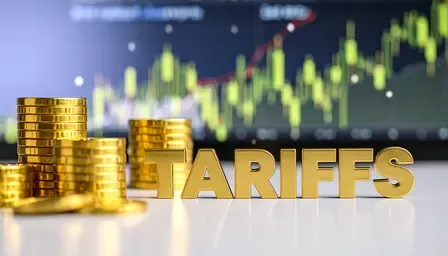
President Trump has proposed a 100 per cent tariff on imported generics from 2028 , rising to 200 per cent the following year.
Reshoring generic drug production to the US could cost four times more than manufacturing in India, according to industry estimates.
Industry leaders advocate deeper US-India pharmaceutical cooperation , especially to reduce reliance on China for active pharmaceutical ingredients.
India's pharmaceutical manufacturing sector has emerged as a critical backbone of the United States healthcare system, complicating President Donald Trump's push to reshore generic drug production, according to a report by The Star. The findings underscore the structural depth of India's role in global medicine supply chains — and the steep economic cost of dismantling it.
Scale of India's Pharma Footprint
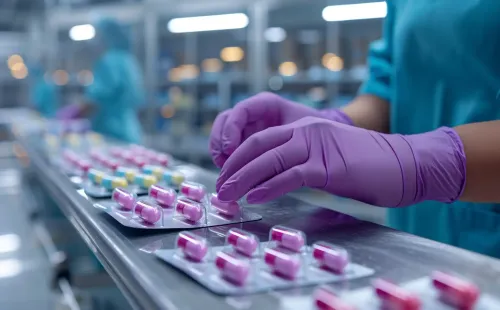
A manufacturing facility operated by a leading pharmaceuticals firm in Hyderabad illustrates the industry's scale: nearly 1,900 workers produce more than 100 generic medicines at the plant, ranging from cholesterol and allergy treatments to antidepressants. The facility churns out close to one billion oral doses every month, with roughly three-quarters of that output destined for the US market.
At the national level, generic medicines account for approximately 90 per cent of all prescriptions dispensed in the United States, and Indian manufacturers supply around 40 per cent of those medicines. That dependency has made India effectively indispensable to American healthcare affordability.
Trump's Tariff Threat and Its Limits
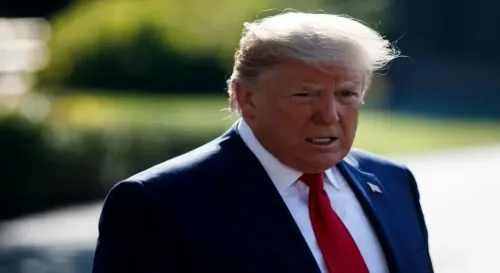
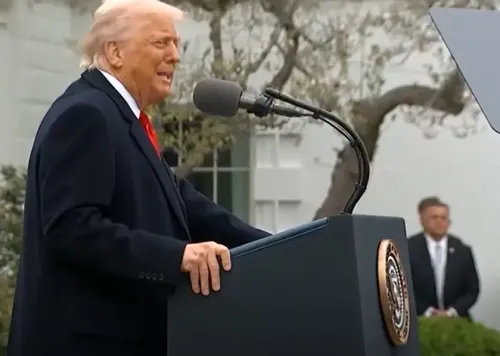
The Trump administration has proposed steep tariffs on imported generic drugs as part of a broader domestic manufacturing push — including a 100 per cent levy from 2028, rising to a 200 per cent tariff a year later. The intent is to incentivise US-based production of pharmaceuticals.
However, industry executives and healthcare experts argue that decades of accumulated cost advantages make large-scale reshoring deeply challenging, according to the report. Producing most generic medicines in the United States could cost four times more than manufacturing them in India, according to industry estimates. Lower labour costs, faster factory construction timelines, and extensive technical expertise continue to give Indian drugmakers a structural competitive edge that tariffs alone are unlikely to neutralise.
India's Pharmaceutical Rise: A Five-Decade Story
The industry's foundations were laid in the 1970s, when India prioritised affordable access to medicines and built strong capabilities in reverse-engineering and large-scale pharmaceutical manufacturing. What began as a domestic policy imperative gradually evolved into a global supply powerhouse.
Concerns over manufacturing quality once clouded the sector's reputation, but leading drugmakers say regulatory oversight has since strengthened significantly. Major producers now face frequent inspections by global regulators and have made heavy investments in compliance infrastructure.
The Case for Deeper US-India Cooperation
Industry leaders are pushing back on the decoupling narrative, arguing instead for deeper collaboration between the two countries — particularly as both seek to reduce their dependence on China for active pharmaceutical ingredients (APIs) and strengthen overall supply-chain resilience, according to the report.
This comes amid broader geopolitical shifts that have prompted both Washington and New Delhi to reassess their pharmaceutical supply chains. Notably, any sharp disruption to Indian generic supplies could ripple directly into US drug prices and healthcare access, given the volume and affordability profile of the medicines involved.
As the debate over tariffs and reshoring intensifies, the economic arithmetic — and the public health stakes — suggest that the US-India pharmaceutical relationship is likely to remain a central tension in bilateral trade discussions in the years ahead.
Point of View
Infrastructure investment, and regulatory maturation. The '4x cost' estimate for US reshoring is not a lobby talking point; it reflects real differentials in labour, construction, and accumulated expertise that cannot be bridged in a policy cycle or two. What mainstream coverage underplays is the public health dimension: a sharp rise in generic drug prices in the US would disproportionately hit lower-income Americans who depend on affordable medicines. The smarter geopolitical play — reducing joint dependence on China for APIs — risks being drowned out by the louder decoupling rhetoric. If Washington and New Delhi fail to frame this as a shared supply-chain resilience challenge rather than a bilateral trade dispute, both sides lose.
NationPress
10 Nov 2026
Frequently Asked Questions
Why is India so critical to US generic drug supply?
India supplies around 40 per cent of generic medicines dispensed in the United States, which accounts for about 90 per cent of all US prescriptions. Decades of investment in reverse-engineering, manufacturing scale, and regulatory compliance have made Indian drugmakers structurally indispensable to American healthcare affordability.
What tariffs has President Trump proposed on generic drug imports?
The Trump administration has proposed a 100 per cent tariff on imported generic drugs from 2028, rising to 200 per cent the following year. The move is aimed at incentivising domestic pharmaceutical manufacturing in the United States.
How much more would it cost to make generic drugs in the US instead of India?
According to industry estimates, producing most generic medicines in the United States could cost four times more than manufacturing them in India. Lower labour costs, faster factory construction, and deep technical expertise give Indian producers a competitive edge that tariffs alone are unlikely to close.
What is India's pharmaceutical industry asking for instead of decoupling?
Industry leaders are advocating deeper US-India pharmaceutical cooperation rather than decoupling, particularly to jointly reduce dependence on China for active pharmaceutical ingredients (APIs) and strengthen global supply-chain resilience.
How did India's generic drug industry become so large?
India's pharmaceutical sector traces its origins to the 1970s, when government policy prioritised affordable domestic medicine access and built capabilities in large-scale manufacturing and reverse-engineering. Over five decades, the sector evolved into a global supply powerhouse, backed by strengthened regulatory oversight and heavy compliance investment.