Bangladesh measles outbreak: Death toll hits 620 as 7 more children die
Synopsis
Bangladesh's measles death toll has reached 620, with UNICEF now revealing it sent five to six letters and held 10 meetings warning the previous Yunus-led interim government of a vaccine shortage — warnings that went unheeded. The outbreak, which has infected nearly 80,000 people since March, is a preventable crisis with a paper trail.
Key Takeaways
Bangladesh's measles-related death toll reached 620 as of 7 June 2026 , with 7 new deaths recorded in a single 24-hour period.
Confirmed deaths stand at 91 ; suspected deaths have risen to 529 , per the DGHS .
Total cases have crossed 79,012 , with 9,686 confirmed; 64,263 patients hospitalised since 15 March .
UNICEF sent 5–6 letters and held 10 meetings warning the previous government of vaccine shortages from 2024 onward.
UNICEF Deputy Executive Director Ted Chaiban raised the issue with Bangladesh's Foreign Ministry in August last year .
The current BNP -led government has launched a formal investigation; UNICEF has pledged to provide evidence.
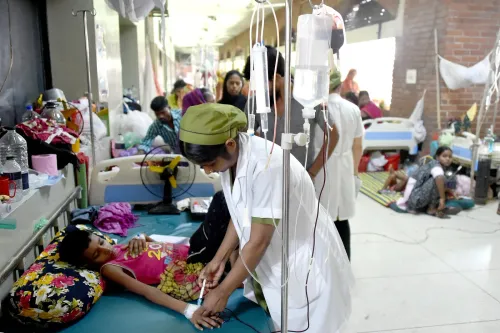
Bangladesh's measles outbreak has claimed seven more lives in the 24 hours ending 8 a.m. on Sunday, 7 June, pushing the country's total confirmed and suspected measles-related deaths to 620. The fatalities — all classified as measles-suspected — bring the cumulative suspected death count to 529, while confirmed deaths remain at 91, according to the Directorate General of Health Services (DGHS).
Scale of the Outbreak
A further 1,221 suspected measles cases were logged in the same 24-hour window, lifting the overall case count to 79,012. Of these, 9,686 have been confirmed. Since 15 March, a total of 64,263 suspected measles patients have required hospitalisation; 60,084 have since recovered, the DGHS reported.
UNICEF's Repeated Warnings Went Unheeded
Last month, the United Nations Children's Fund (UNICEF) disclosed that it had repeatedly alerted the country's earlier interim government — led by Muhammad Yunus — about vaccine shortages that risked triggering exactly this kind of public health emergency. The warnings were conveyed through both written communication and direct meetings with Health Ministry officials, according to local media reports.
Addressing a press briefing in Dhaka, Rana Flowers, UNICEF's representative to Bangladesh, stated that the agency had sent five to six letters to health authorities and raised the issue across 10 separate meetings during the previous government's tenure.
'From 2024, we were warning the government that the shortage of vaccines could lead to an outbreak. From 2024 to 2025 and into 2026, we sent letters, and we had 10 different meetings, signalling this was a problem and that orders for vaccines needed to be given. They could not,' Flowers was quoted as saying by The Daily Star.
Senior UN Official Also Raised Alarm
According to Flowers, UNICEF Deputy Executive Director Ted Chaiban personally raised vaccine shortage concerns with the Foreign Ministry during a visit to Bangladesh in August last year — underscoring the seriousness with which the UN agency had escalated the matter. The disclosure points to a systemic failure to act on credible, advance intelligence about a preventable crisis.
Government Investigation Under Way
Flowers confirmed that UNICEF would provide evidence to support an investigation launched by the current Bangladesh Nationalist Party (BNP)-led government into the circumstances surrounding the outbreak. This comes amid broader questions about procurement lapses and institutional accountability in the country's immunisation programme.
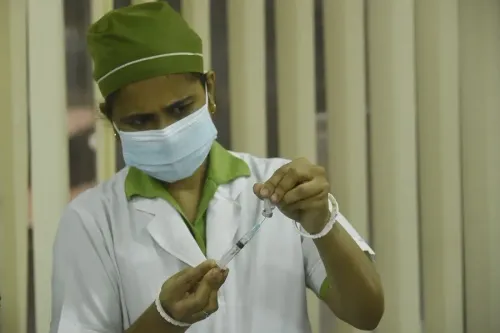
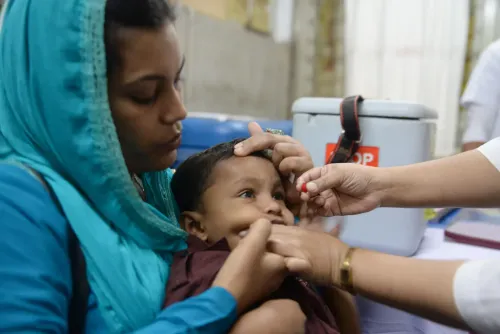
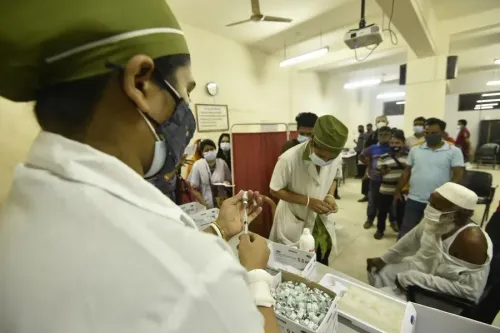
With the case count approaching 80,000 and the death toll still climbing, public health officials are under mounting pressure to accelerate vaccination drives and shore up supply chains before the outbreak widens further.
Point of View
The window to prevent it was open, and the procurement order was never placed. The Yunus-led interim government's inaction, now under formal investigation, raises hard questions about whether health bureaucracies in fragile political transitions can be trusted to act on technical warnings. With nearly 80,000 cases and 620 deaths, the human cost of that inaction is now irrefutable.
NationPress
24 Sept 2026
Frequently Asked Questions
What is the current death toll from the Bangladesh measles outbreak?
As of 7 June 2026, the total confirmed and suspected measles-related deaths in Bangladesh stand at 620. Of these, 91 are confirmed deaths and 529 are classified as suspected measles deaths, according to the DGHS.
How many measles cases have been reported in Bangladesh?
Bangladesh has recorded 79,012 total suspected measles cases, with 9,686 confirmed cases. Since 15 March, 64,263 patients have been hospitalised, of whom 60,084 have recovered.
Did UNICEF warn Bangladesh about the measles outbreak in advance?
Yes. UNICEF says it warned the previous interim government, led by Muhammad Yunus, about critical vaccine shortages through five to six written letters and 10 separate meetings from 2024 onward. The warnings were not acted upon, and no vaccine orders were placed in time.
Who is investigating the Bangladesh measles outbreak?
The current BNP-led government has launched a formal investigation into the outbreak. UNICEF has confirmed it will provide evidence, including documentation of its prior warnings to health authorities, to assist the inquiry.
Why did the measles outbreak occur in Bangladesh?
According to UNICEF, a critical shortage of measles vaccines — flagged repeatedly from 2024 — left large numbers of children unprotected. The failure to place timely vaccine procurement orders under the previous interim government is being cited as a primary contributing factor.