Bangladesh measles outbreak: Death toll hits 657 as crisis deepens
Synopsis
Bangladesh's measles epidemic has now claimed at least 657 lives since mid-March, with over 87,000 suspected cases logged — and UNICEF says it spent two years warning the previous government that a vaccine shortage would cause exactly this. The crisis has turned sharply political, with former PM Sheikh Hasina calling it an 'administrative crime' rather than a public health failure.
Key Takeaways
Bangladesh's measles death toll rose to 657 — 93 confirmed, 564 suspected — since 15 March 2026 .
DGHS logged 1,006 new suspected cases in the last 24 hours ; total suspected cases stand at 87,929 .
Confirmed infections reached 10,523 after 136 new cases were added in the same period.
UNICEF Representative Rana Flowers confirmed the agency sent 5–6 letters and held 10 meetings with health authorities from 2024 onwards, warning of vaccine shortages.
Former PM Sheikh Hasina alleged the previous Muhammad Yunus -led interim government disrupted vaccination programmes, calling the deaths 'an administrative crime'.
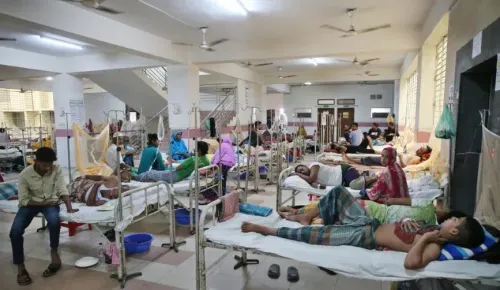
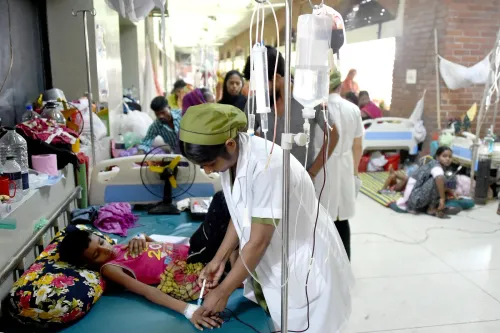
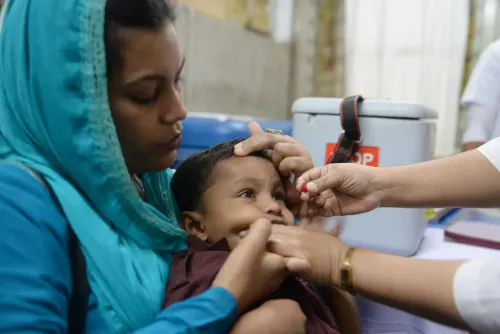
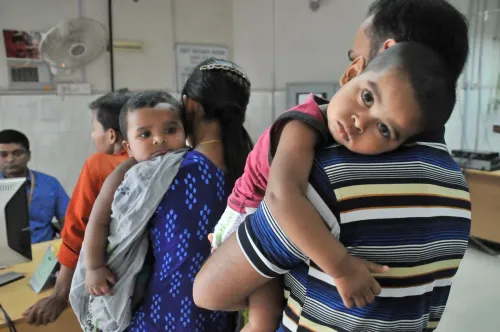
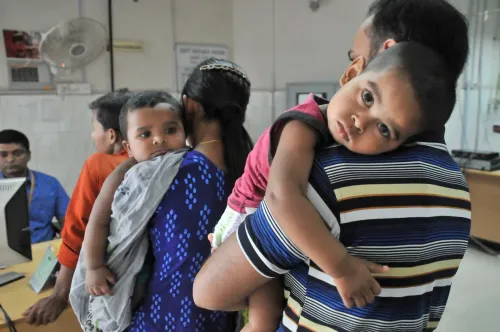
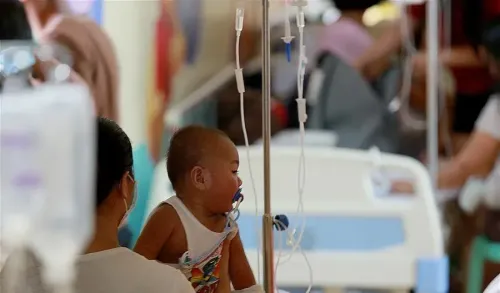
Children across 61 districts of Bangladesh are reportedly affected, with the actual death count believed to exceed official figures.
Bangladesh recorded another child death from measles on Tuesday, 16 June 2026, pushing the cumulative toll of confirmed and suspected fatalities to 657 since 15 March this year, according to local media reports. The Directorate General of Health Services (DGHS) confirmed the latest death — classified as a suspected case — occurred within the 24-hour reporting window ending Tuesday morning.
Scale of the Outbreak
Of the 657 total deaths, 93 have been confirmed while 564 remain classified as suspected, according to DGHS data. The agency logged 1,006 new suspected cases in the last 24 hours alone, bringing the overall suspected case count to 87,929. An additional 136 confirmed cases were recorded in the same period, raising confirmed infections to 10,523. The numbers underscore what health officials and international observers are increasingly describing as a full-scale epidemic.
Sheikh Hasina Blames Vaccine Policy Failures
Former Bangladesh Prime Minister Sheikh Hasina on Monday sharply criticised both the previous interim administration led by Muhammad Yunus and the current Bangladesh Nationalist Party (BNP) government, holding them responsible for the outbreak's scale. In a statement posted on the Awami League's account on social media platform X, Hasina alleged that the interim government deliberately disrupted the national vaccination programme while pursuing a new procurement system.
'Out of ill intentions and personal interests, the illegitimate interim government disrupted the vaccination program while attempting to introduce a new system for vaccine procurement. And due to the incompetence and negligence of the current government, this disease has spread into an epidemic,' her statement read.
Hasina further claimed that nearly hundreds of thousands of children across 61 districts are now affected, and that the official death figure of over 600 is likely an undercount. 'The line of deaths is getting longer every day. This is not an accident; this is an administrative crime,' she added.
UNICEF Had Repeatedly Warned Authorities
The United Nations International Children's Emergency Fund (UNICEF) disclosed last month that it had issued repeated warnings to the former Yunus-led interim government about critical vaccine shortages that could trigger a major health emergency. Rana Flowers, UNICEF Representative to Bangladesh, told a press briefing in Dhaka that the agency sent between five and six formal letters to health authorities and raised the issue in 10 separate meetings during the previous government's tenure.
'From 2024, we were warning the government that the shortage of vaccines could lead to an outbreak. From 2024 to 2025 and into 2026, we sent letters, and we had 10 different meetings, signaling this was a problem and that orders for vaccines needed to be given. They could not,' Flowers was quoted as saying by The Daily Star, Bangladesh's leading English-language newspaper.
What Happens Next
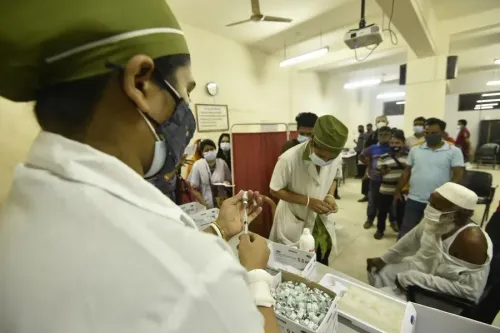
The outbreak's trajectory — with daily suspected cases still above 1,000 — suggests the epidemic has not yet peaked. International pressure on Dhaka to accelerate vaccine procurement and restore routine immunisation coverage is mounting. With UNICEF publicly documenting its warnings and a former prime minister levelling criminal negligence charges, accountability questions are likely to intensify in the days ahead.
Point of View
And why did vaccine orders never materialise? With daily case counts still above 1,000, the epidemic has not peaked, and the window for a rapid immunisation response is narrowing by the day.
NationPress
19 Sept 2026
Frequently Asked Questions
What is the current death toll from the Bangladesh measles outbreak?
As of 16 June 2026, the total number of confirmed and suspected measles deaths in Bangladesh stands at 657 since 15 March this year. Of these, 93 are confirmed deaths and 564 are classified as suspected, according to the Directorate General of Health Services.
How many measles cases have been reported in Bangladesh so far?
Bangladesh has recorded 10,523 confirmed measles cases and 87,929 suspected cases as of 16 June 2026. The DGHS logged 1,006 new suspected cases and 136 new confirmed cases in the 24-hour window ending Tuesday morning.
What did UNICEF say about the Bangladesh measles outbreak?
UNICEF Representative Rana Flowers stated that the agency repeatedly warned Bangladesh's former interim government about critical vaccine shortages from 2024 onwards, sending five to six formal letters and raising the issue in ten separate meetings. Despite these warnings, vaccine orders were not placed in time to prevent the outbreak.
What did former PM Sheikh Hasina say about the measles crisis?
Former Prime Minister Sheikh Hasina, in a statement posted on the Awami League's X account, alleged that the previous Muhammad Yunus-led interim government deliberately disrupted the national vaccination programme while pursuing a new procurement system. She also blamed the current BNP government's 'incompetence and negligence' for allowing the disease to spread into an epidemic, calling the deaths 'an administrative crime'.
Why did the measles outbreak occur in Bangladesh?
According to UNICEF and political statements, the outbreak is primarily attributed to a breakdown in vaccine procurement and the disruption of routine immunisation programmes during the tenure of the previous interim government. UNICEF had warned as early as 2024 that vaccine shortages could trigger a major health crisis, but orders were not placed in time.