Bangladesh measles outbreak: Death toll crosses 600 as 7 more children die
Synopsis
Bangladesh's measles outbreak has crossed a grim 600-death milestone, with children bearing the brunt. UNICEF says it warned the Yunus-led interim government as far back as 2024 about a vaccine shortage that could trigger exactly this crisis — sending letters and holding 10 meetings. The BNP-led government has now launched an investigation.
Key Takeaways
Total measles-linked deaths in Bangladesh have crossed 601 since 15 March 2025 , with 7 more children dying in the latest 24-hour window.
Confirmed deaths stand at 90 ; suspected deaths have risen to 511 , per DGHS data.
Suspected cases total 74,572 and confirmed cases 9,191 ; May alone saw 309 deaths .
UNICEF says it sent five to six letters and held 10 meetings with the previous Muhammad Yunus -led interim government warning of vaccine shortages from 2024.
The current BNP -led government has launched an investigation into the outbreak.
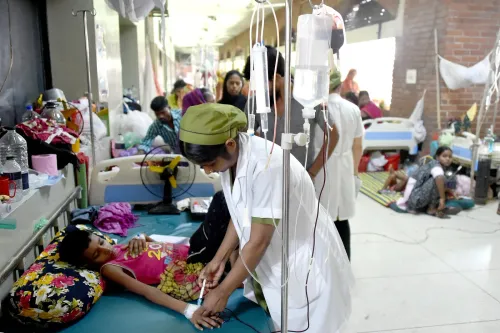
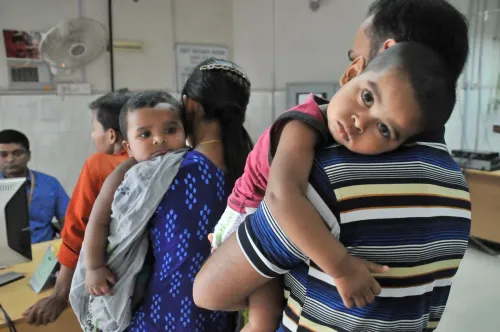
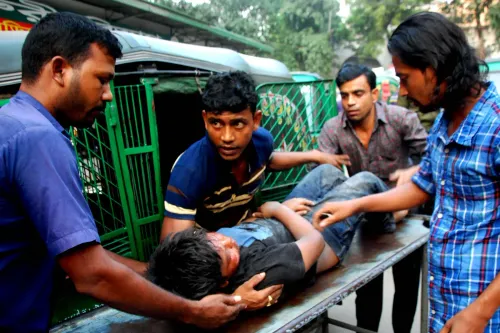
Bangladesh's worsening measles outbreak has claimed seven more children, pushing the overall death toll — confirmed and suspected — to 601 since 15 March 2025, according to reports citing the Directorate General of Health Services (DGHS). The latest fatalities were recorded in the 24 hours leading up to Wednesday morning in Dhaka, with all seven listed as suspected cases.
Key numbers from the latest DGHS update
While confirmed deaths remained steady at 90, suspected deaths rose to 511, the Dhaka Tribune reported. The DGHS logged 1,210 fresh suspected measles cases in the same 24-hour window, taking total suspected infections to 74,572. An additional 55 confirmed cases lifted that tally to 9,191.
May was the deadliest month
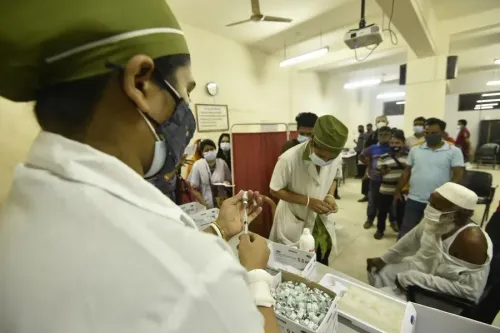
The crisis sharpened dramatically last month, with 309 deaths from measles and related symptoms recorded in May alone. According to The Daily Star, daily case counts crossed 1,000 on every day of May except the 9th, 16th, and 23rd — a pattern that has continued even after the preliminary phase of the one-and-a-half-month special measles-rubella vaccination drive concluded on 20 May.
UNICEF says it warned the previous government
The United Nations International Children's Emergency Fund (UNICEF) has said it repeatedly flagged a looming vaccine shortage to the earlier interim government led by Muhammad Yunus, both in writing and in person. At a press briefing in Dhaka, UNICEF's representative to Bangladesh, Rana Flowers, said the agency sent five to six letters to health authorities and raised the issue across 10 meetings during the previous administration's tenure.
‘From 2024, we were warning the government that the shortage of vaccines could lead to an outbreak. From 2024 to 2025 and into 2026, we sent letters, and we had 10 different meetings signaling this was a problem and that orders for vaccines needed to be given. They could not,' Flowers was quoted as saying by The Daily Star.
Flowers added that Ted Chaiban, UNICEF's Deputy Executive Director, also raised vaccine-shortage concerns with Bangladesh's Foreign Ministry during a visit in August last year.
Investigation under the new government
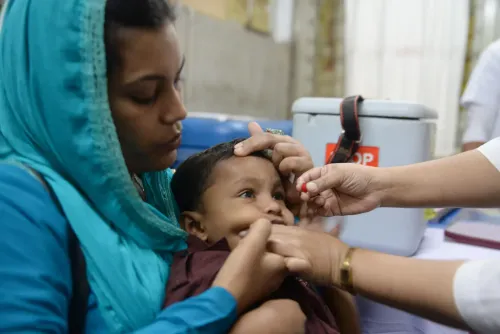
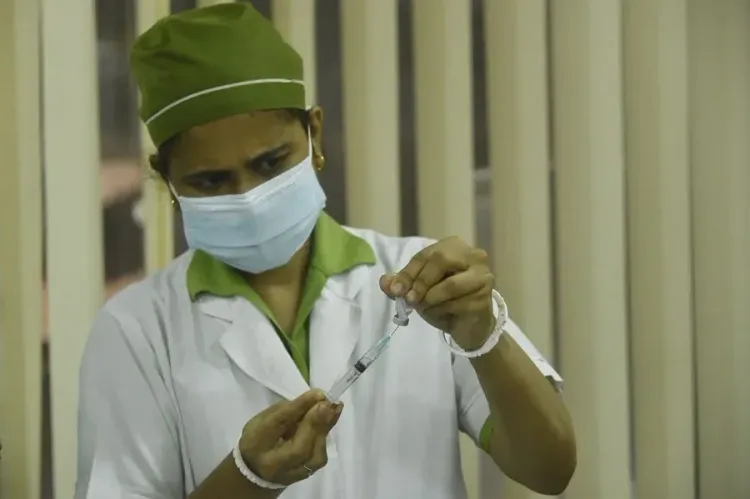
The current Bangladesh Nationalist Party (BNP)-led government has launched an investigation into the outbreak, and UNICEF has said it will share evidence to support the inquiry. Health officials are now under pressure to scale up vaccination coverage and identify why procurement orders stalled despite repeated warnings.
With infections still climbing across districts, the next phase of the measles-rubella drive — and the speed of fresh vaccine procurement — will determine whether Bangladesh can contain what is shaping up to be its most severe measles crisis in recent years.
Point of View
And shifts the conversation from response to responsibility. With over 600 lives lost — mostly children — and a vaccination drive that did not stem the curve, Bangladesh faces hard questions about procurement governance during the Yunus-led interim period. The BNP government's investigation will be watched closely, but the deeper test is whether South Asia's routine immunisation systems can withstand political transitions without children paying the price.
NationPress
23 Sept 2026
Frequently Asked Questions
How many people have died in Bangladesh's measles outbreak?
The total confirmed and suspected death toll has crossed 601 since 15 March 2025, with seven more children dying in the latest 24-hour reporting window. Of these, 90 are confirmed measles deaths and 511 are suspected.
What did UNICEF warn Bangladesh's government about?
UNICEF says it warned the Muhammad Yunus-led interim government from 2024 onwards that a vaccine shortage could trigger a major measles outbreak. The agency sent five to six letters and raised the issue at 10 separate meetings with health authorities, but vaccine orders were not placed in time.
Did the measles-rubella vaccination drive help contain the outbreak?
Not yet. The preliminary phase of the special one-and-a-half-month measles-rubella drive concluded on 20 May, but infections and deaths have continued to rise. Daily suspected cases crossed 1,000 on almost every day of May.
Who is investigating the outbreak now?
The current Bangladesh Nationalist Party (BNP)-led government has launched an investigation into the measles outbreak and the vaccine-procurement failures that preceded it. UNICEF has said it will provide evidence to support the inquiry.
Which month has been the worst so far?
May has been the deadliest month of the outbreak, with 309 deaths from measles and related symptoms recorded in that period alone. Daily case counts exceeded 1,000 on all but three days last month.