CM Fadnavis to BDD Chawl Residents: Don't Sell, Cherish Like Gold
Synopsis
Chief Minister Devendra Fadnavis has urged BDD Chawl residents receiving redeveloped flats in Mumbai to hold on to their homes and not sell them, warning that newly allotted units are a once-in-a-generation asset. The appeal comes as phased handover of rebuilt Bombay Development Directorate colonies advances under the Housing for All framework.
Key Takeaways
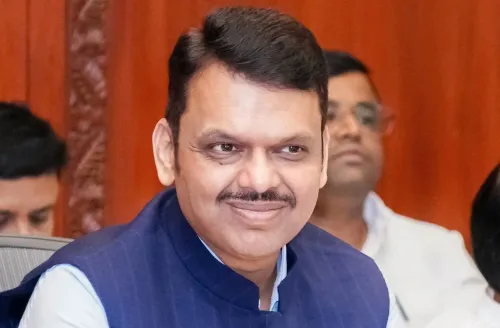
The Chief Minister's Office of Maharashtra posted a direct message from CM Devendra Fadnavis on 7 November 2026 urging BDD Chawl residents not to sell their redeveloped flats.
The Marathi appeal — ghare vikoo naka, tyanna sonyasarkhe japa — translates as 'Don't sell your homes, cherish them like gold.' The BDD Chawls , built by the Bombay Development Directorate in central Mumbai , house tens of thousands of low-income families across Worli, NM Joshi Marg, Naigaon, and Sewri .
The redevelopment scheme, approved in the mid-2010s, promises each eligible resident a flat of approximately 500 sq ft carpet area under the Housing for All framework.
No formal resale lock-in period has been confirmed; the Chief Minister's public appeal currently serves as the primary safeguard against distress sales.
Maharashtra has a documented pattern of rehabilitation beneficiaries selling newly acquired flats under financial pressure, a risk the state is visibly trying to pre-empt.
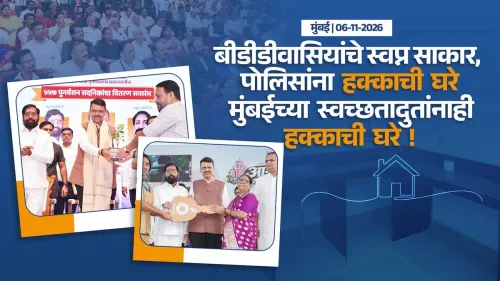
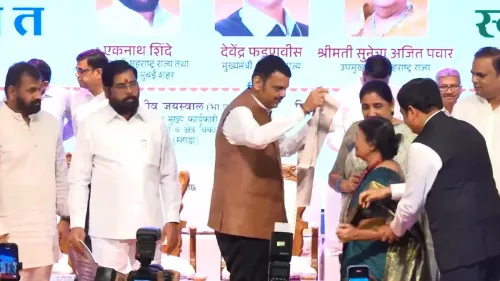
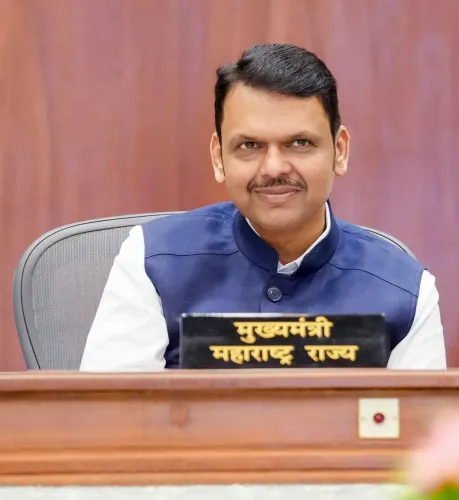
A simple, four-word instruction from Chief Minister Devendra Fadnavis landed like a policy directive on Saturday, 7 November 2026 — and it was aimed squarely at thousands of Mumbai families who have waited decades for a new home. The Chief Minister's Office of Maharashtra posted a pointed message to BDD Chawl residents who are receiving redeveloped flats under the state's urban renewal programme: 'घरे विकू नका, त्यांना सोन्यासारखे जपा!' — 'Don't sell your homes, cherish them like gold!'
What the BDD Chawls Are — and Why This Moment Matters
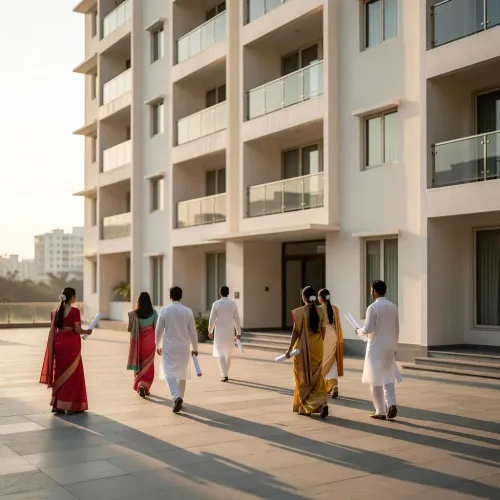
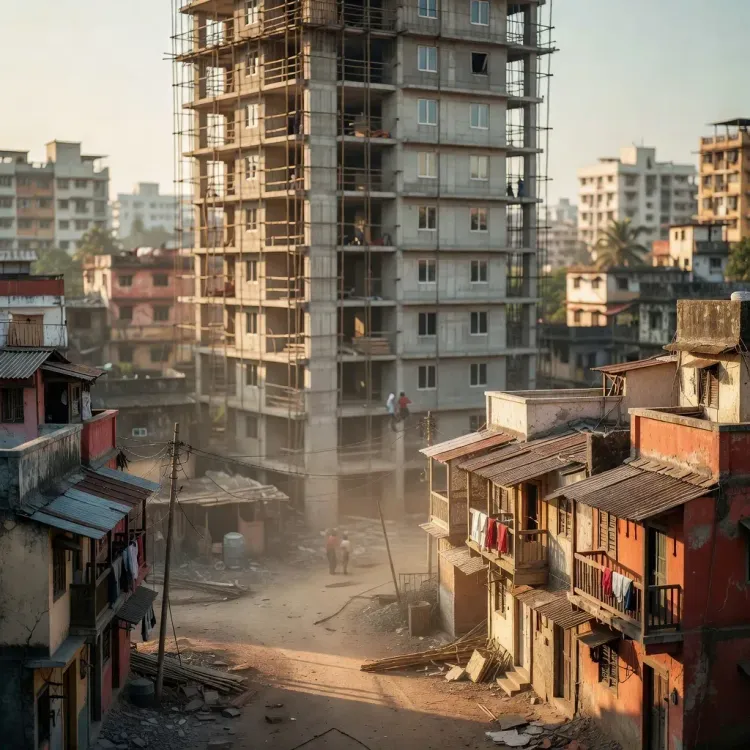
The BDD Chawls — built by the Bombay Development Directorate in the early twentieth century as worker housing in the heart of Mumbai — have stood for generations as cramped but fiercely community-rooted tenements. Tens of thousands of low-income families have lived in these colonies across Worli, NM Joshi Marg, Naigaon, and Sewri. For most residents, the promise of a larger, modern flat in the same neighbourhood is the single biggest asset transfer of their lifetimes.
That is precisely what makes the Chief Minister's warning so pointed. When government-backed rehabilitation delivers upgraded ownership to families that have historically been tenants or licensees, the temptation — or the financial pressure — to sell quickly can be acute. Fadnavis is pre-empting that risk with a message calibrated for emotional resonance: your new home is gold. Guard it.
The Redevelopment Drive Behind the Warning
Maharashtra approved the in-situ redevelopment of BDD Chawls in the mid-2010s, promising each eligible resident a significantly larger flat — typically 500 sq ft carpet area — in place of the cramped single-room tenements many occupied. The scheme falls under the broader Housing for All framework, a national and state-level initiative targeting pucca housing for low-income urban families.
Phased handover of redeveloped buildings is now under way, and policy watchers are tracking whether the state will attach a formal lock-in period restricting resale of newly allotted units — a mechanism used in other rehabilitation schemes to prevent distress sales and speculative flipping. The Chief Minister's public appeal suggests that legal guardrails alone may not be in place yet, making this social messaging the first line of defence.
A Pattern of Post-Allotment Messaging in Maharashtra
This is not the first time Maharashtra governments have had to caution rehabilitation beneficiaries against selling newly acquired flats. Across schemes from SRA (Slum Rehabilitation Authority) colonies to mill-land redevelopment projects, the state has repeatedly found that original allottees — often cash-poor despite asset-rich status — become targets for developers and brokers looking to aggregate land through secondary purchases at undervalue. The CMO's public nudge carries weight precisely because it comes from the top at the moment of delivery, not after the damage is done.
For BDD Chawl residents finally crossing the threshold into their new homes, the message is as much protective counsel as political branding — a reminder that the flat they hold is not just square footage, but a generational foothold in one of the world's most expensive cities.
If the state follows the message with a binding lock-in mechanism, it could set a template for every urban rehabilitation scheme that follows.
Point of View
But it cannot yet legally prevent their sale. By framing retention as a matter of family pride and generational security rather than bureaucratic obligation, the CMO is using moral suasion as a policy instrument — a sign that formal resale restrictions may still be in the pipeline. The message also serves a political function, associating the BJP-led government directly with the moment of delivery so that the scheme's legacy stays attached to Fadnavis personally. Longer term, whether the BDD Chawl redevelopment succeeds in keeping original communities intact will determine whether it becomes a model for Mumbai's remaining colonial-era housing stock or another case study in gentrification-by-rehabilitation.
NationPress
7 Nov 2026
Frequently Asked Questions
What is the BDD Chawl redevelopment project in Mumbai?
The BDD Chawl redevelopment project replaces the century-old Bombay Development Directorate tenements in central Mumbai with modern residential towers, giving each eligible resident an upgraded flat of around 500 sq ft carpet area in situ, without relocating them from their original neighbourhoods.
Why is CM Fadnavis asking BDD Chawl residents not to sell their flats?
CM Fadnavis is warning residents against selling because newly allotted flats in rehabilitation schemes are frequently purchased at undervalue by brokers and developers, leaving original beneficiaries without either their old home or long-term asset value. His appeal aims to prevent distress sales as handovers begin.
Is there a lock-in period for BDD Chawl redeveloped flats?
No confirmed lock-in period restricting resale of BDD Chawl redeveloped units has been announced as of the CM's post on 7 November 2026. The Chief Minister's public message currently serves as a social safeguard ahead of any potential legal mechanism.
What is the Housing for All scheme in Maharashtra?
Housing for All is a national and state-level programme targeting pucca housing for low-income urban families. In Maharashtra it includes in-situ rehabilitation components for existing settlements like the BDD Chawls, where residents receive upgraded ownership flats in place of old tenements.
Where are the BDD Chawls located in Mumbai?
The BDD Chawls are spread across several central Mumbai localities including Worli, NM Joshi Marg, Naigaon, and Sewri — areas that are now among the most strategically located urban land parcels in the country.