CM Fadnavis hands over 557 BDD Chawl flats in Lower Parel
Synopsis
Chief Minister Devendra Fadnavis handed over 557 rehabilitation flats at the N.M. Joshi Marg BDD Chawl Redevelopment Project in Lower Parel on 6 November 2026, marking a major milestone in Maharashtra's decades-long effort to replace colonial-era tenement housing with modern in-situ homes for Mumbai's working-class residents.
Key Takeaways
557 rehabilitation flats were handed over at the N.M.
Joshi Marg, Lower Parel BDD Chawl Redevelopment Project on 6 November 2026 .
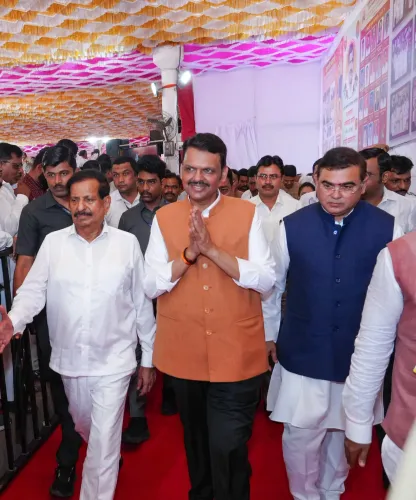
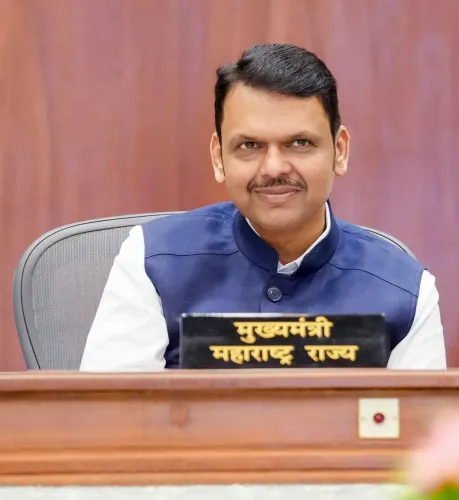
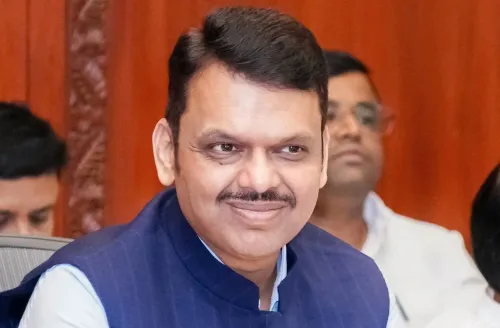
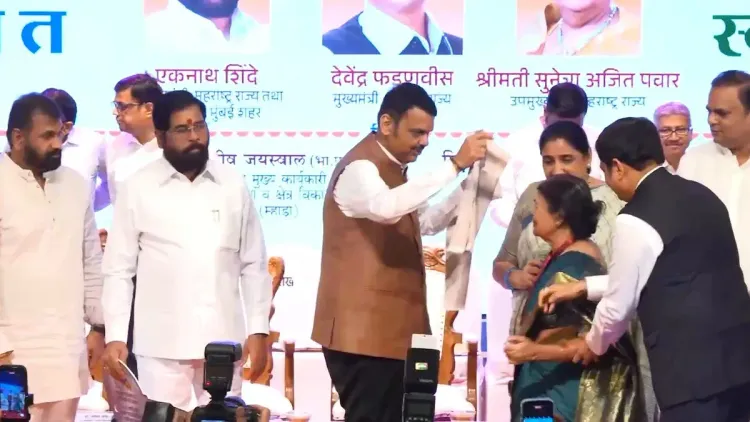
CM Devendra Fadnavis presided over the ceremony, joined by both Deputy CMs Eknath Shinde and Sunetra Ajit Pawar and other senior officials.
The BDD chawls were built under British colonial rule as worker housing; Maharashtra approved their redevelopment in the mid-2010s with MHADA as the implementing agency.
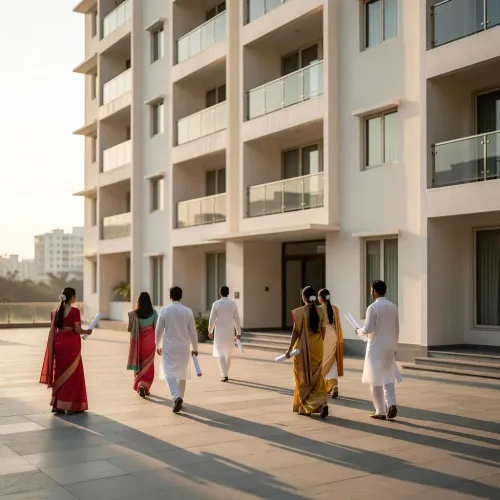
The project is designed as in-situ rehabilitation — existing residents receive new flats on the same land rather than being relocated to the city's outskirts.
Joshi Marg cluster is one of four major BDD chawl sites in Mumbai; thousands more residents at Worli and other clusters await their flats.
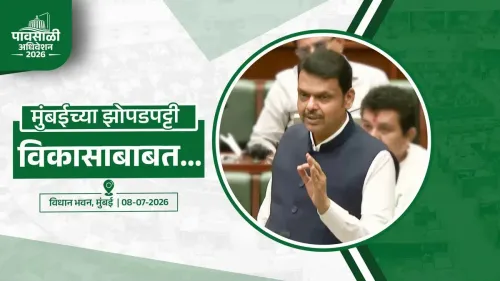
Half a century of cramped living in Mumbai's historic BDD chawls may now be a memory for 557 families — on 6 November 2026, Chief Minister Devendra Fadnavis personally handed over rehabilitation flats under the N.M. Joshi Marg, Lower Parel, BDD Chawl Redevelopment Project, marking one of the most visible milestones yet in Maharashtra's long-running push to replace century-old tenement blocks with modern homes. The Chief Minister's Office of Maharashtra announced the handover — accompanied by a high-powered political gathering — in a trilingual post on X, declaring: 'मराठी मुंबईकरांना मुंबईतच हक्काचं घर!' ('A rightful home for Marathi Mumbaikars, right here in Mumbai!').
What the BDD Chawl redevelopment means for Lower Parel residents
The BDD (Bombay Development Directorate) chawls were built by the British colonial administration in the early twentieth century as worker housing across central Mumbai. Clustered at sites including Worli, N.M. Joshi Marg, Naigaon, and Sewri, the structures housed tens of thousands of residents in conditions that decades of deferred maintenance made increasingly unsafe. The Maharashtra government approved a comprehensive redevelopment plan — with MHADA (Maharashtra Housing and Area Development Authority) as the nodal implementing agency — in the mid-2010s, promising in-situ rehabilitation: existing residents would not be displaced to the city's periphery but would receive new flats on the same land.
The N.M. Joshi Marg cluster in Lower Parel is one of the most densely contested patches of real estate in Mumbai, sitting in the heart of a former mill-workers' neighbourhood that has transformed dramatically over the past two decades. For chawl residents who stayed through that transformation, today's handover represents a concrete delivery — 557 families receiving keys to new, structurally sound apartments on the same land their families have occupied for generations.
The political weight behind the handover ceremony
The ceremony drew the full weight of Maharashtra's ruling coalition. Alongside CM Fadnavis, the dais included Deputy CM Eknath Shinde, Deputy CM Sunetra Ajit Pawar, Assembly Speaker Adv. Rahul Narwekar, Legislative Council Deputy Chairman Sachin Ahir, Minister Adv. Ashish Shelar, Minister of State Dr. Pankaj Bhoyar, MP Milind Deora, and MLC Dr. Manisha Kayande. The cross-party presence — spanning BJP, the Shinde-faction Shiv Sena, and the Ajit Pawar-led NCP — signals that housing delivery in Mumbai carries bipartisan political capital that all three coalition partners want to be seen claiming.
MHADA's role and the broader Mumbai housing pipeline
MHADA has been the backbone of Maharashtra's affordable and rehabilitation housing architecture for decades, managing land acquisition, construction, and allotment across the state. The BDD chawl programme is among its most high-profile mandates, requiring it to rehouse existing residents before or simultaneously with constructing new towers on the same plots — a logistical challenge that has repeatedly caused delays across all four Mumbai clusters.
The N.M. Joshi Marg handover will be watched as a proof-of-concept: if the rehabilitation process holds — residents take possession, infrastructure is functional, and remaining construction proceeds — it strengthens the case for accelerating flat handovers at Worli and other pending clusters. Thousands more BDD chawl residents across Mumbai are still waiting for their rehabilitation flats.
For Mumbai's oldest working-class neighbourhoods, today's ceremony is not just a housing event — it is a generational reckoning. The question now is whether the pipeline delivers at scale, and how fast.
Point of View
Completing rehabilitation handovers — especially in a symbolically loaded mill-workers' neighbourhood like Lower Parel — reinforces the government's credibility on legacy infrastructure promises. The trilingual announcement and full coalition presence suggest the event is being positioned as a cross-constituency achievement, cutting across Marathi, Hindi, and English-speaking voters. The real test, however, lies in whether the remaining BDD clusters move from promises to possession at similar speed.
NationPress
6 Nov 2026
Frequently Asked Questions
What is the BDD Chawl Redevelopment Project in Mumbai?
The BDD (Bombay Development Directorate) Chawl Redevelopment Project is a Maharashtra government initiative to demolish and rebuild century-old colonial-era tenement housing clusters in central Mumbai, providing modern in-situ rehabilitation flats to existing residents. MHADA is the nodal implementing agency.
How many flats were handed over at N.M. Joshi Marg on 6 November 2026?
557 rehabilitation flats were handed over at the N.M. Joshi Marg, Lower Parel, BDD Chawl Redevelopment Project on 6 November 2026 by Chief Minister Devendra Fadnavis.
Who attended the BDD Chawl flat handover ceremony?
The ceremony was attended by CM Devendra Fadnavis, Deputy CMs Eknath Shinde and Sunetra Ajit Pawar, Assembly Speaker Rahul Narwekar, Legislative Council Deputy Chairman Sachin Ahir, Minister Ashish Shelar, MoS Dr. Pankaj Bhoyar, MP Milind Deora, MLC Dr. Manisha Kayande, and senior officials.
What is MHADA's role in the BDD Chawl redevelopment?
MHADA (Maharashtra Housing and Area Development Authority) is the nodal agency responsible for implementing the BDD Chawl Redevelopment Project, handling land acquisition, construction of new towers, and allotment of rehabilitation flats to displaced residents.
Are there more BDD Chawl clusters in Mumbai awaiting redevelopment?
Yes. The BDD chawls are spread across four main Mumbai clusters, including Worli, N.M. Joshi Marg, Naigaon, and Sewri. The N.M. Joshi Marg handover is one milestone; thousands of residents at the other clusters are still awaiting their rehabilitation flats.