Bangladesh measles outbreak: Death toll hits 1,233 as six more children die
Synopsis
Bangladesh's measles epidemic has now claimed 1,233 lives this year — the vast majority classified as suspected cases — with six more children dying in a single day. Former PM Sheikh Hasina is publicly blaming vaccine procurement failures under successive administrations, while experts warn the current wave could persist for at least another month despite an emergency UNICEF-backed vaccination drive.
Key Takeaways
Six more children died from suspected measles in Bangladesh on 26 October 2026 , pushing the year's death toll to 1,233 .
Confirmed deaths stand at 104 ; suspected deaths have reached 1,129 , according to the DGHS .
Total suspected cases have surpassed 222,552 ; confirmed infections stand at 23,478 .
Former PM Sheikh Hasina alleged that measles-rubella vaccine stocks ran out in March 2026 due to procurement failures under the interim and current administrations.
Bangladesh resumed vaccine procurement via UNICEF in April 2026 , but experts say the epidemic may last at least another month given transmission speed and immunity lag.
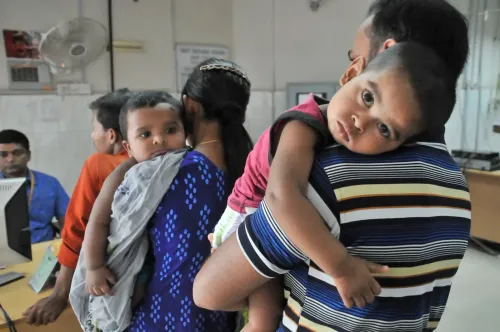
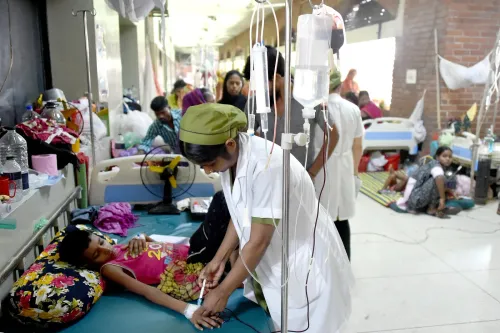
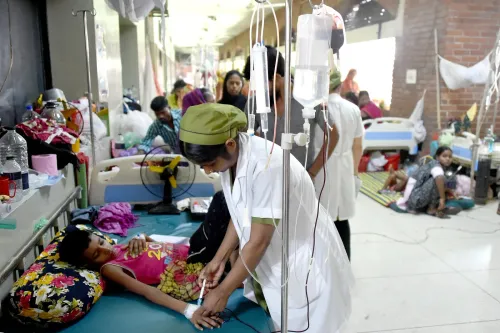
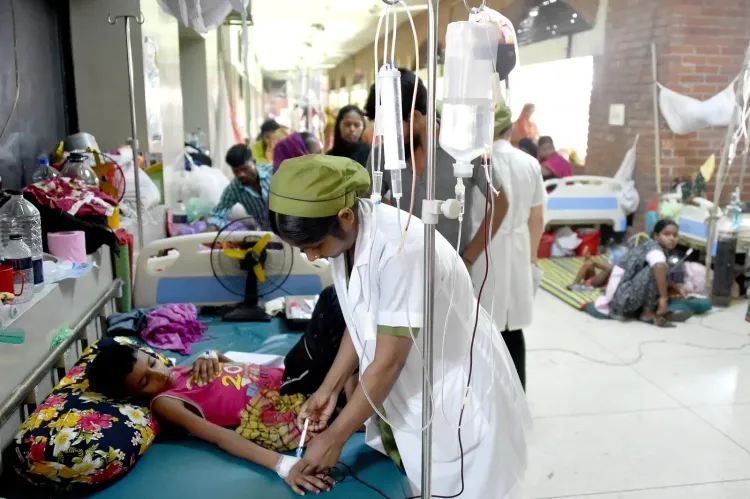
Bangladesh recorded six additional child deaths from suspected measles on Monday, 26 October 2026, pushing the cumulative death toll for the year to 1,233, according to local media reports. The outbreak, now widely described as unprecedented in scale, has placed the country's public health infrastructure under severe strain.
Latest Numbers from Health Authorities
The Directorate General of Health Services (DGHS) confirmed the six latest fatalities were reported within a single 24-hour window ending Monday morning. All six deaths have been classified as suspected cases, leaving the confirmed death count unchanged at 104, while the total of suspected deaths rose to 1,129.
The same reporting period saw 1,388 new suspected measles cases, bringing the overall suspected case tally to 222,552. An additional 78 confirmed cases were logged, raising confirmed infections to 23,478.
Hasina Blames 'State Negligence' and Procurement Failures
Former Bangladesh Prime Minister Sheikh Hasina, speaking to The Sunday Guardian earlier this month, described the crisis as a direct consequence of 'state negligence' and the erosion of a decades-old immunisation system. She accused the former Muhammad Yunus-led interim administration of disrupting vaccine procurement through political and administrative decisions, resulting in a significant immunisation gap.
Hasina alleged that Bangladesh's measles-rubella vaccine stocks were exhausted in March 2026, followed by a sharp decline in vaccination coverage. She further claimed that authorities failed to launch a supplementary immunisation campaign at the scheduled time.
She also criticised the current Prime Minister Tarique Rahman-led BNP government for allegedly failing to respond with adequate urgency once the severity of the outbreak became apparent. 'More than one thousand children dying from a preventable disease is not an ordinary administrative failure,' Hasina said.
The former prime minister called for uninterrupted vaccine supplies, targeted immunisation campaigns for vulnerable communities, real-time disease monitoring, expanded paediatric healthcare infrastructure, and an independent probe into the alleged procurement and vaccination failures.
Emergency Vaccination Drive and Containment Challenges
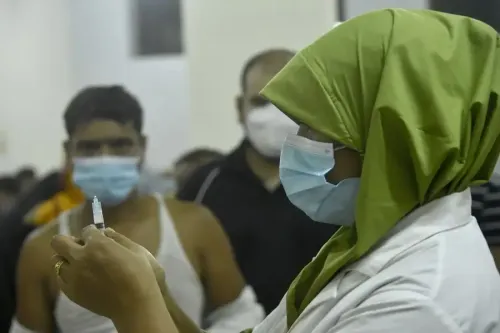
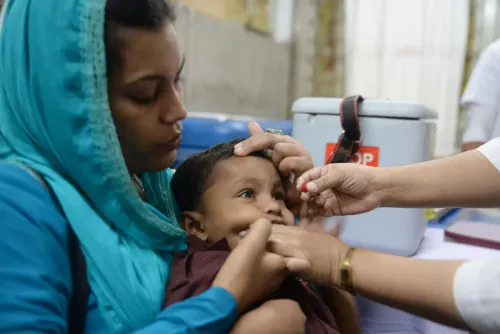
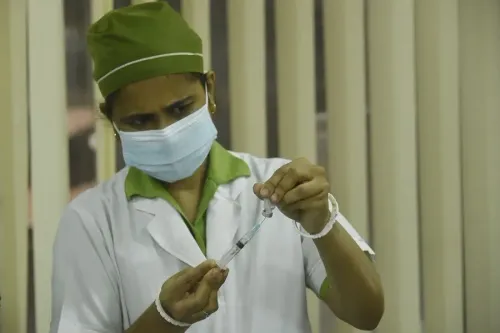
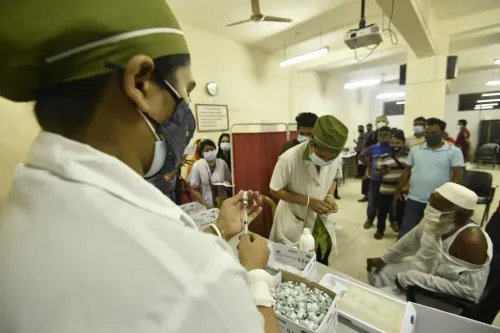
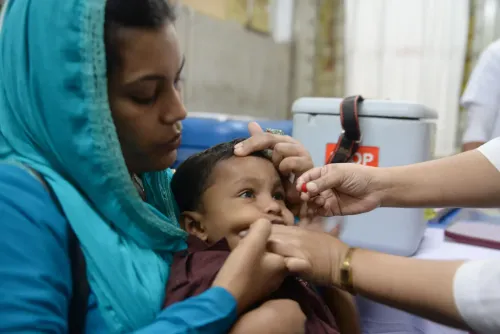
Despite Bangladesh reinstating vaccine procurement through UNICEF in April 2026, followed by an emergency vaccination drive, experts have cautioned that rapid containment is unlikely. Be-nazir Ahmed, former director of disease control at DGHS, warned earlier this month that the speed of transmission makes a swift end to the epidemic improbable.
Public health experts last month linked the resurgence to gaps in prior vaccination coverage and shortcomings in hospital and patient management, including delays in identifying infected children and isolating them.
When the Current Wave Could Ease
Public health expert Mushtuq Husain, speaking to Bangladeshi newspaper The Daily Star, explained that children typically require three to four weeks post-vaccination to develop sufficient immunity. 'Therefore, the current wave of infections, hospitalisations and deaths may continue for at least another month,' he added, offering a sobering outlook for families and health workers on the ground.
With the outbreak showing no immediate sign of abating and political blame intensifying, the trajectory of Bangladesh's measles crisis will hinge on the speed and reach of its emergency vaccination rollout in the coming weeks.
Point of View
000 suspected cases and a death toll crossing 1,200, this is no longer a containment problem alone; it is an accountability vacuum. The finger-pointing between Sheikh Hasina, the Yunus-era interim government, and the Tarique Rahman administration over vaccine procurement has obscured a more uncomfortable truth: immunisation infrastructure that was built over decades was allowed to decay without any single administration accepting ownership of the gap. The reinstatement of UNICEF procurement in April came months too late for the children now counted among the dead. Until Bangladesh resolves the political paralysis around its health governance, emergency drives will always be playing catch-up to a preventable disease.
NationPress
26 Oct 2026
Frequently Asked Questions
What is the current measles death toll in Bangladesh?
As of 26 October 2026, the cumulative death toll from measles in Bangladesh has reached 1,233 this year, following six new child fatalities reported on Monday. Of these, 104 are confirmed deaths and 1,129 are classified as suspected, according to the DGHS.
Why did Bangladesh's measles outbreak become so severe?
Experts and former PM Sheikh Hasina have attributed the crisis to the exhaustion of measles-rubella vaccine stocks in March 2026, a collapse in vaccination coverage, and delays in launching supplementary immunisation campaigns. Public health experts have also pointed to gaps in hospital management and slow detection of infected children.
What steps has Bangladesh taken to contain the outbreak?
Bangladesh reinstated vaccine procurement through UNICEF in April 2026 and launched an emergency vaccination drive. However, experts warn that due to the speed of transmission and the three-to-four-week immunity lag after vaccination, the current wave of infections and deaths may continue for at least another month.
Who is being blamed for the measles outbreak in Bangladesh?
Former PM Sheikh Hasina has blamed both the Muhammad Yunus-led interim administration for disrupting vaccine procurement and the current PM Tarique Rahman-led BNP government for failing to act decisively once the severity of the outbreak became clear. All sides have traded allegations over administrative and procurement failures.
How many measles cases have been recorded in Bangladesh in 2026?
As of 26 October 2026, Bangladesh has recorded 222,552 suspected measles cases and 23,478 confirmed cases, according to the DGHS. In a single 24-hour period alone, 1,388 new suspected cases and 78 confirmed cases were logged.