Bangladesh measles outbreak: Death toll hits 680 as cases near 1 lakh
Synopsis
Bangladesh's measles crisis has crossed a grim threshold — over one lakh total cases and 680 deaths — even after a vaccination drive covering 1.84 crore children. With dengue season looming and vaccination coverage still below the critical 95% mark in many areas, the outbreak is deepening into a compounding public health emergency, now inflamed by sharp political accusations from former PM Sheikh Hasina.
Key Takeaways
Bangladesh's measles death toll rose to 680 after three more children died in the 24 hours ending 8 am, 21 June .
Suspected deaths stand at 587 ; laboratory-confirmed fatalities remain at 93 , per DGHS .
Total suspected and confirmed cases have crossed 1 lakh , with 92,790 suspected and 11,011 confirmed cases.
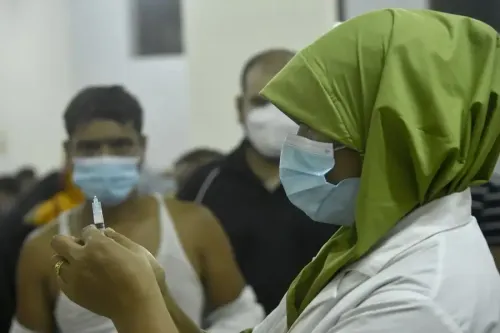
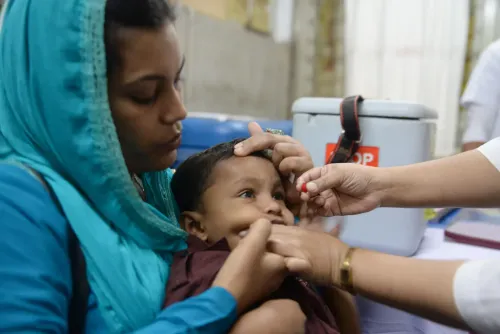
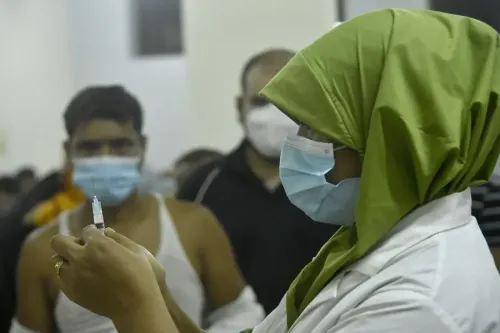
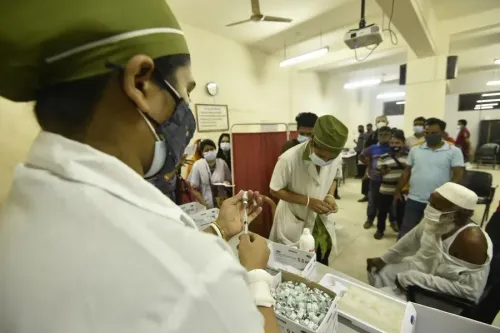
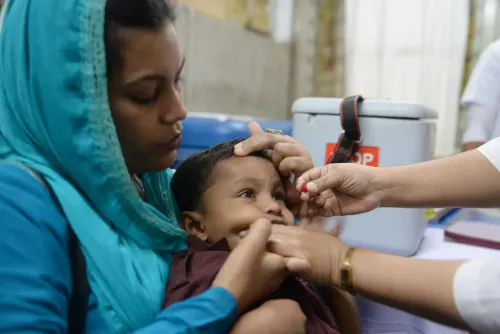
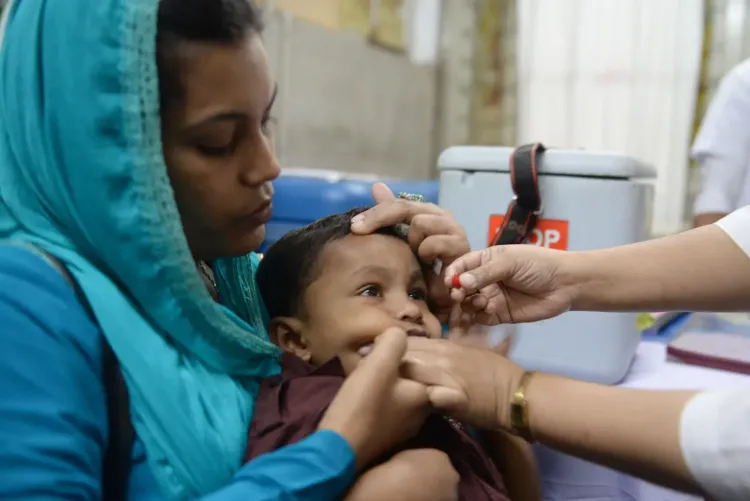
A vaccination drive a month ago covered 1.84 crore children but failed to halt the surge, with coverage below the 95% threshold in several areas.
Health experts warn the arrival of dengue season could trigger severe complications in measles-infected children.
Former PM Sheikh Hasina accused the previous interim government and the current BNP administration of negligence, calling the deaths 'an administrative crime.'
Bangladesh's measles outbreak has claimed three more young lives in the 24 hours ending 8 am on Sunday, 21 June, pushing the country's total confirmed and suspected measles-related fatalities to 680, according to the Directorate General of Health Services (DGHS). The deaths were classified as suspected measles fatalities, bringing the suspected death count to 587, while laboratory-confirmed fatalities remain at 93.
Scale of the Outbreak
A further 1,001 new suspected measles cases were recorded in the same 24-hour window, taking the cumulative suspected case count to 92,790. An additional 62 laboratory-confirmed cases were reported, raising the total confirmed caseload to 11,011. Altogether, total suspected and confirmed cases have crossed the one lakh mark — a grim milestone for a country that launched a major vaccination drive just a month ago.
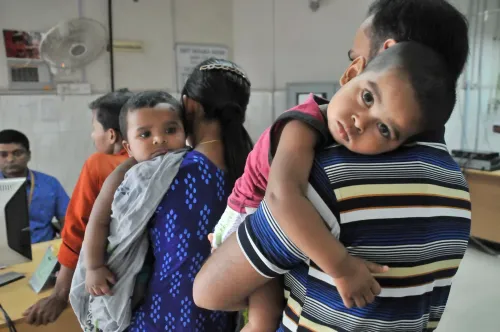
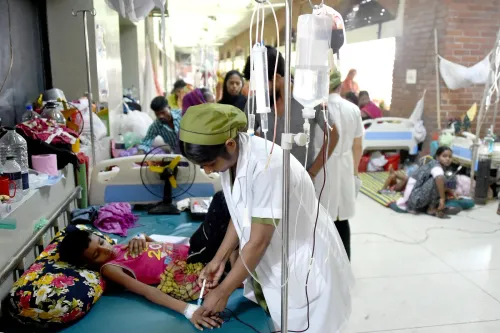
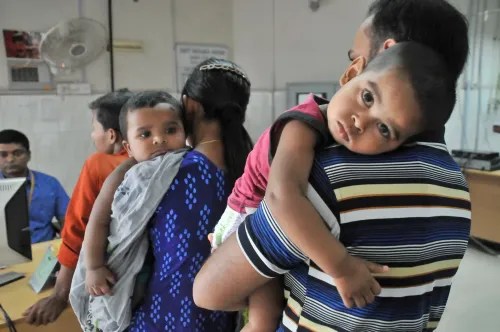
Since 15 March, some 76,859 patients with suspected measles have been admitted to hospitals across Bangladesh. Of these, 72,849 have recovered, according to DGHS data — but active cases continue to mount faster than recoveries can keep pace.
Why the Outbreak Is Not Slowing Down
Public health expert Mushtuq Husain identified two core failures: vaccination coverage has not reached the critical 95 per cent threshold in all areas, and adherence to infection prevention and control measures in hospitals and communities remains inadequate. A vaccination drive conducted a month ago covered 1.84 crore children, yet cases have continued to climb — pointing to persistent gaps in reach and implementation.
Health experts have also flagged a compounding risk: the onset of dengue season could severely endanger children already weakened by measles infection, raising the likelihood of life-threatening complications. This convergence of two infectious disease burdens places Bangladesh's already-strained health infrastructure under acute pressure.
Political Blame and Allegations
The outbreak has ignited a sharp political dispute. Former Prime Minister Sheikh Hasina, in a statement issued on Monday and posted on the Awami League's X handle, accused the previous Muhammad Yunus-led interim government of deliberately disrupting the country's vaccination programme while attempting to introduce a new vaccine procurement system.
Hasina further alleged that the current Bangladesh Nationalist Party (BNP) government's incompetence and negligence allowed the disease to escalate into an epidemic. 'Out of ill intentions and personal interests, the illegitimate interim government disrupted the vaccination program while attempting to introduce a new system for vaccine procurement. And due to the incompetence and negligence of the current government, this disease has spread into an epidemic,' her statement read.
She added: 'At present, nearly hundreds of thousands of children in 61 districts of the country are affected by this disease. According to official figures, more than six hundred children have died, although the actual number is much higher. The line of deaths is getting longer every day. This is not an accident; this is an administrative crime.'
What Happens Next
With cases still rising and dengue season approaching, health authorities face urgent pressure to plug vaccination gaps and tighten infection control protocols in healthcare settings. The political blame game risks distracting from the immediate public health response — a concern that experts say cannot afford to wait for resolution of the governance dispute. All eyes are now on whether Bangladesh can mount an effective emergency vaccination push before the dual disease burden deepens further.
Point of View
But the epidemiological reality is quieter and more damning — a drive covering 1.84 crore children still left enough gaps for nearly a lakh cases to emerge. With dengue season arriving, Bangladesh is now managing two converging infectious disease threats simultaneously, and the window for an effective emergency response is narrowing fast.
NationPress
20 Sept 2026
Frequently Asked Questions
What is the current death toll from the Bangladesh measles outbreak?
As of 8 am on 21 June, the total confirmed and suspected measles-related fatalities in Bangladesh stand at 680. Of these, 587 are classified as suspected measles deaths and 93 are laboratory-confirmed fatalities, according to the DGHS.
How many measles cases have been reported in Bangladesh?
Bangladesh has recorded 92,790 suspected measles cases and 11,011 laboratory-confirmed cases, pushing the total past the one lakh mark. Since 15 March, over 76,859 patients have been hospitalised, of whom 72,849 have recovered.
Why has the measles outbreak continued despite a vaccination drive?
Public health expert Mushtuq Husain cited two key reasons: vaccination coverage has not reached the critical 95% threshold in all areas, and infection prevention and control measures in hospitals and communities remain weak. A drive covering 1.84 crore children a month ago was insufficient to stop transmission where coverage gaps persisted.
What has former PM Sheikh Hasina said about the outbreak?
Hasina, in a statement posted on the Awami League's X handle, accused the previous Muhammad Yunus-led interim government of disrupting the vaccination programme and the current BNP government of negligence. She called the deaths 'an administrative crime' and alleged the actual death toll is higher than official figures.
What additional health risk do measles patients in Bangladesh face?
Health experts warn that the onset of dengue season poses a serious compounding risk. Children already infected with measles and weakened by the disease face a heightened chance of severe complications if they contract dengue simultaneously, placing further strain on the country's health system.