CPEC's $62 billion bet: Why Chinese investment failed to grow Pakistan's economy
Synopsis
A new report lays out a damning case: China poured $62 billion into CPEC, but Pakistan built the port before the industries, the power plants before the demand, and signed electricity contracts before the markets existed. The result — uncompetitive tariffs nearly double those in Bangladesh and Vietnam, a hollow Gwadar, and a corridor that modernised infrastructure without generating growth.
Key Takeaways
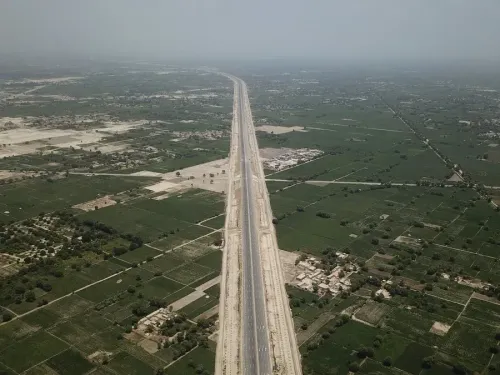
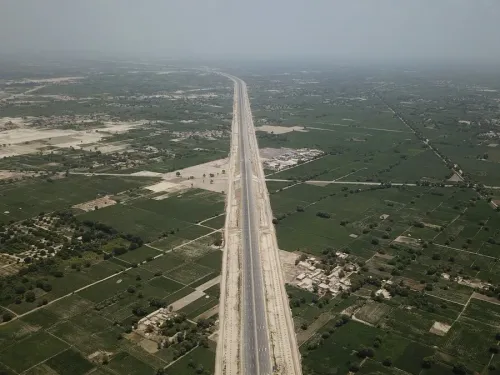
China has invested approximately $62 billion in the China-Pakistan Economic Corridor (CPEC) , funding power plants, roads, and the Gwadar Port .
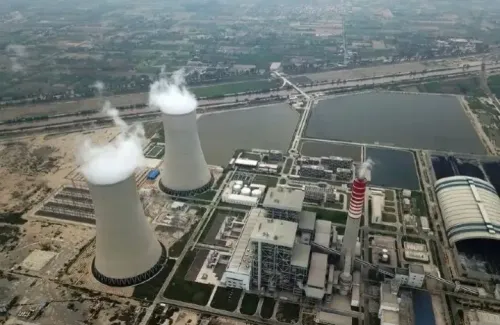
Pakistan's industrial consumers reportedly pay electricity tariffs nearly twice those faced by competitors in Bangladesh , Vietnam , India , and Indonesia — a direct consequence of CPEC power-plant contracts.
Gwadar was envisioned as an integrated industrial-logistics ecosystem; in practice, physical infrastructure was built without the industrial base needed to generate cargo or employment.
Recurring unrest in Balochistan is linked, in part, to long-standing grievances and the failure to deliver visible local economic benefits from CPEC projects.
The report's core finding: Pakistan built infrastructure before creating the economic foundations to support it — a sequencing failure that underlies both the power sector and Gwadar shortfalls.
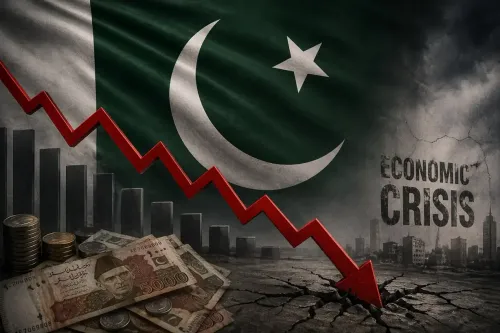
Despite China committing approximately $62 billion to the China-Pakistan Economic Corridor (CPEC), Pakistan has been unable to convert that massive infrastructure investment into sustained economic growth, industrial competitiveness, or broad-based prosperity, according to an analysis published by the Karachi-based Business Recorder and sourced by the Directus news website. The report argues that the failure stems primarily from policy shortcomings on Pakistan's part — not from the investment itself.
The Infrastructure-First Trap
The central critique in the report is that Pakistan built physical assets before establishing the economic foundations necessary to support them. Power plants were commissioned before sufficient demand existed. The Gwadar Port was developed before the industries that would generate cargo materialised. Electricity purchase contracts were signed before markets were ready to absorb the supply.
The result was a structural mismatch that left Pakistan holding expensive infrastructure with limited economic return. As the report notes, 'successful ports emerge where trade exists, successful industrial zones emerge where firms can compete, and successful logistics hubs emerge where production is already occurring.'
Electricity Tariffs That Undermined Industry
Among the most consequential failures, according to the report, was the contracting structure for CPEC-linked power plants. The terms produced electricity tariffs that became progressively uncompetitive relative to regional peers. Industrial consumers in Pakistan reportedly found themselves paying electricity prices nearly twice those faced by competitors in Bangladesh, Vietnam, India, Indonesia, and large parts of China itself.
The report describes this as 'the most damaging legacy of the entire exercise' — a power sector built at scale but priced in a way that hollowed out the industrial competitiveness it was meant to enable.
Gwadar: A Port Without an Ecosystem
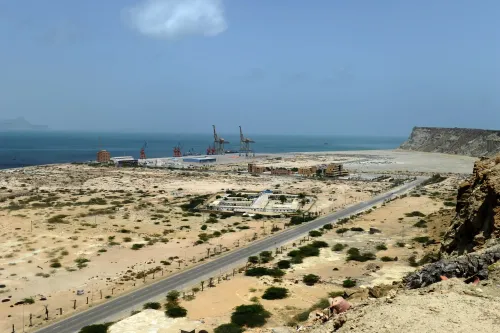
The original CPEC vision for Gwadar was far more ambitious than a single port facility. It envisioned an integrated ecosystem encompassing a deep-water port, industrial zones, logistics services, export-oriented manufacturing, urban development, and regional trade connectivity. The port was conceived as an anchor, not the entirety of the project.
In practice, Pakistan concentrated investment overwhelmingly on physical infrastructure — roads, port facilities, and master plans. The industrial ecosystem required to generate cargo volumes, attract investment, and create employment never emerged at the scale envisioned. Critical prerequisites for investor confidence — affordable energy, reliable utilities, skilled labour, predictable regulation, efficient customs, and market access — remained underdeveloped.
Balochistan Unrest and the Development Deficit
The report also addresses the recurring security incidents targeting CPEC-related personnel and infrastructure in Balochistan. It cautions against viewing this instability purely through a security lens, arguing that the violence must also be understood within the context of long-standing regional grievances, uneven development, and the failure to deliver sufficiently visible local economic benefits.
The analysis is careful to note that terrorist violence is never justified, while simultaneously arguing that policymakers cannot afford to ignore the developmental context in which such instability persists. This framing positions the Balochistan problem as, in part, a consequence of the same planning failures that undermined Gwadar and the power sector.
The Broader Lesson
The report concludes that the CPEC debate has been distorted by two equally unhelpful extremes — those who credit it as a transformational success and those who blame it for Pakistan's current economic difficulties. Both narratives, it argues, obscure the real lesson: that infrastructure investment, however large, cannot substitute for the policy environment, institutional capacity, and sequenced economic planning required to translate physical assets into productive growth.
With CPEC entering a new phase of implementation discussions, Pakistan's ability to course-correct on these structural gaps will likely determine whether the corridor's remaining potential is realised or further deferred.
Point of View
Electricity tariffs that priced out manufacturers, and a deep-water port with no industrial hinterland. The Balochistan security dimension compounds the problem, but treating it as a law-and-order issue rather than a development failure is precisely the kind of category error the report warns against. For Pakistan's policymakers, the window to course-correct is narrowing — and the next phase of CPEC negotiations will test whether Islamabad has genuinely absorbed these lessons or will repeat the same sequencing mistakes at greater cost.
NationPress
26 Oct 2026
Frequently Asked Questions
What is the China-Pakistan Economic Corridor (CPEC)?
CPEC is a multi-decade infrastructure and investment programme under which China has committed approximately $62 billion to build power plants, roads, and port facilities in Pakistan, most notably the Gwadar deep-water port in Balochistan. It is a flagship component of China's broader Belt and Road Initiative.
Why did CPEC fail to generate economic growth in Pakistan?
According to the report, Pakistan built infrastructure before establishing the economic conditions needed to support it — power plants before sufficient demand, and a port before the industries to generate cargo. The result was uncompetitive electricity tariffs and an underdeveloped industrial ecosystem around Gwadar that failed to attract investment or create employment at scale.
How did CPEC power plants make Pakistan's electricity uncompetitive?
The contracting terms for CPEC-linked power plants produced tariffs that became progressively higher than those in regional competitors. Industrial consumers in Pakistan reportedly paid electricity prices nearly twice those in Bangladesh, Vietnam, India, and Indonesia, undermining the manufacturing competitiveness the investment was meant to boost.
What was the original vision for Gwadar Port, and why did it fall short?
Gwadar was conceived as an integrated ecosystem of a deep-water port, industrial zones, logistics services, export manufacturing, and regional trade connectivity — with the port as the anchor. In practice, Pakistan focused on physical infrastructure while the industrial base, affordable energy, skilled labour, and regulatory environment required to make the port commercially viable never materialised at scale.
How does the Balochistan security situation relate to CPEC's economic failures?
The report argues that recurring attacks on CPEC personnel and infrastructure in Balochistan cannot be understood through a security lens alone. Long-standing regional grievances and the failure to deliver visible local economic benefits from CPEC projects are cited as part of the broader developmental context in which the instability persists.