Pakistan's CPEC debt crisis deepens: ₹1.89 trillion power dues mount
Synopsis
Pakistan's power sector circular debt has hit a record 1.89 trillion rupees, with a third of recent additions tied to CPEC. Chinese IPPs refuse to waive late-payment charges, the IMF is pushing back, and CPEC 2.0's 'green' pivot is already running into flood-zone SEZs and a hardening Baloch insurgency.
Key Takeaways
Pakistan's power sector circular debt stood at 1.89 trillion rupees ( $6.7 billion ) as of February 2025 .
543 billion rupees of that debt is tied directly to CPEC power projects — an all-time high.
Annual capacity charges have ballooned from 384 billion to 2.1 trillion rupees due to take-or-pay contracts.
Chinese IPPs refused a 170 billion rupees late-payment waiver that domestic producers accepted.
Since 2021, at least 20 Chinese nationals have been killed in Balochistan attacks claimed by the BLA .
CPEC 2.0 SEZs reportedly sit in flood-risk areas, including a Sindh district hit by the 2022 floods .
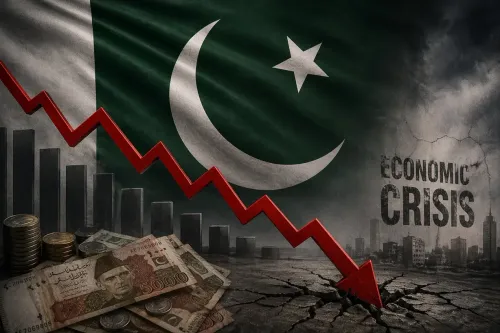
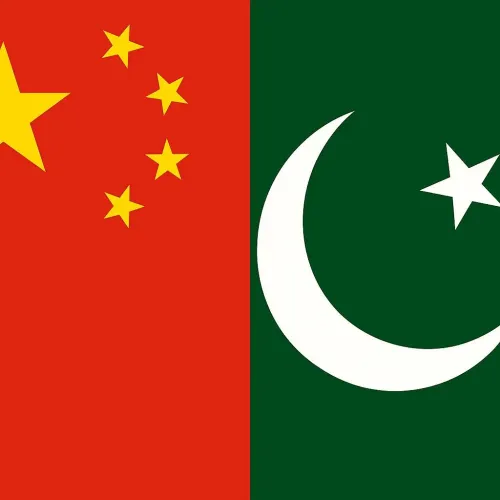
Pakistan is sliding deeper into a Chinese debt trap as its power sector circular debt swelled to 1.89 trillion Pakistani rupees (about $6.7 billion) by February 2025, with 543 billion rupees tied directly to China-Pakistan Economic Corridor (CPEC) power projects, according to an analysis published in Asia Times. The crisis is expected to worsen if CPEC's second phase rolls out as proposed, raising fresh alarm at the International Monetary Fund (IMF).
How the circular debt exploded
Pakistan's annual power capacity charges have surged from roughly 384 billion rupees before CPEC plants came online to 2.1 trillion rupees today. The jump is rooted in 'take-or-pay' contracts Islamabad signed with Chinese independent power producers (IPPs), guaranteeing payments whether or not the electricity is consumed.
The circular debt rose by nearly 200 billion rupees in just two months, the report notes, describing the arrangement as a 'slow drain on national coffers'.
Imported coal, domestic pain
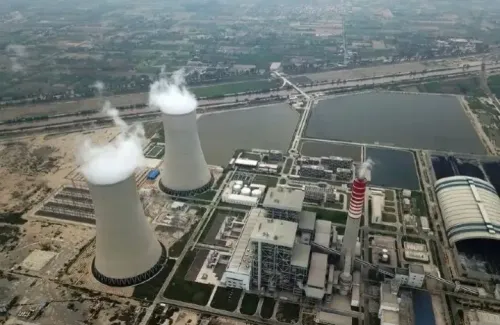
Three flagship coal plants at Sahiwal, Port Qasim and Hub run on coal shipped in from Indonesia, South Africa and Australia. Every global price spike feeds directly into Pakistani tariffs, the article observes.
Industries unable to absorb the costs are shutting production lines, while households that cannot afford bills are defaulting — a feedback loop that keeps the unpaid pile growing.
Beijing refuses to budge
Islamabad raised 1.23 trillion rupees and earmarked 565 billion rupees to clear overdue payments to seven Chinese coal plants and 49 renewable projects. It also asked Chinese operators to waive 170 billion rupees in late-payment charges, mirroring a concession domestic producers had accepted by writing off 377 billion rupees.
According to the report, Chinese IPPs refused, arguing that any concession to Pakistan would trigger renegotiation demands across the entire Belt and Road Initiative network. The IMF, meanwhile, objected when Pakistan tried to quietly route 50 billion rupees to Chinese producers without a formal renegotiation. A $23.5 billion trade deficit in the first nine months of the fiscal year has further eroded Islamabad's bargaining room.
CPEC 2.0: greener pitch, familiar risks
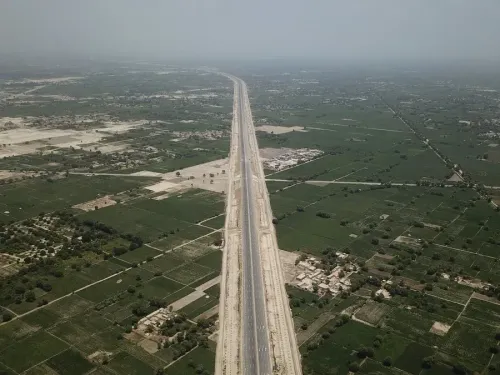
While Phase One directed nearly 75% of its energy spend to coal, CPEC 2.0 is being marketed as a pivot to solar, wind, hydropower and storage. Completed projects have added 9,504 megawatts to Pakistan's grid, and Chinese auto major BYD is reportedly set to begin assembling electric vehicles in Pakistan by mid-2026.
But the report flags unlearned lessons. Pakistan sidelined the Diamer-Bhasha, Dasu and Bunji hydropower projects — together capable of delivering over 15,000 megawatts of cheap domestic energy — in favour of imported coal, with no public explanation. Two new Special Economic Zones under CPEC 2.0 reportedly sit in documented flood-risk zones, including one in a Sindh district devastated by the 2022 floods.
The Balochistan security drag
Security risks continue to shadow Chinese investment. Since 2021, at least 20 Chinese nationals have been killed and 34 injured in attacks claimed by the Baloch Liberation Army (BLA) and allied groups, the report says. The BLA has publicly demanded a complete Chinese exit and a shutdown of CPEC. Its operations reportedly killed 48 people in a single month in January 2026.
With Beijing unwilling to soften terms, the IMF tightening oversight, and Balochistan's insurgency unresolved, Pakistan's path out of the CPEC debt spiral looks narrower than ever.
Point of View
And Beijing's refusal to renegotiate is consistent with its Belt and Road playbook globally. CPEC 2.0's green rebrand is politically convenient, but siting SEZs in flood-prone Sindh while sidelining 15,000 MW of domestic hydropower suggests strategic incoherence, not a course correction. Until Islamabad confronts both the contract structure and the Balochistan security cost, every fresh tranche of Chinese capital risks compounding the trap rather than resolving it.
NationPress
17 Oct 2026
Frequently Asked Questions
What is Pakistan's current circular debt in the power sector?
Pakistan's power sector circular debt stood at 1.89 trillion rupees, or roughly $6.7 billion, as of February 2025, according to figures cited in the Asia Times report. Of this, 543 billion rupees is linked directly to CPEC power projects.
Why are CPEC power contracts considered a debt trap?
The contracts are structured on a 'take-or-pay' basis, meaning Pakistan must pay Chinese independent power producers for the contracted capacity whether or not the electricity is consumed. This has pushed annual capacity charges from 384 billion rupees pre-CPEC to 2.1 trillion rupees today.
How has the IMF responded to Pakistan's payments to Chinese producers?
The IMF has objected to Islamabad's attempt to route 50 billion rupees to Chinese power producers without first renegotiating the underlying contracts. It has warned that the circular debt poses a serious threat to Pakistan's economic stability.
What does CPEC 2.0 propose differently from Phase One?
CPEC 2.0 pitches a shift away from coal — which absorbed nearly 75% of Phase One's energy investment — toward solar, wind, hydropower and storage. It also envisions Chinese EV maker BYD assembling vehicles in Pakistan by mid-2026, though execution risks remain high.
How serious is the security risk to Chinese nationals in Pakistan?
At least 20 Chinese nationals have been killed and 34 injured in attacks since 2021, most claimed by the Baloch Liberation Army. The BLA reportedly killed 48 people in a single month in January 2026 and has demanded a complete shutdown of CPEC.