Pakistan energy crisis: Policy failures, not IMF, behind circular debt spiral

Synopsis
A detailed power sector analysis cited by The Tribune Express places the blame for Pakistan's energy crisis squarely on domestic policy failures — a 2013 debt clearance that opened the CPEC era, a pivot to dollar-denominated imported fuel over renewables, sidelined hydropower projects with 15,000 MW potential, and a regulator accused of approving inflated tariffs. The IMF, the report argues, is not the primary villain.
Key Takeaways
Pakistan's circular debt and energy crisis stem from flawed policy decisions since at least 2013 , not the IMF alone, according to an analysis cited by The Tribune Express .
The Nawaz Sharif government cleared nearly Rs 480 billion in circular debt in 2013 , coinciding with the launch of CPEC .
Pakistan chose imported LNG and coal plants over renewables, despite reported Chinese advice to prioritise solar, wind, and hydropower.
Hydropower projects including Diamer-Bhasha , Dasu , and Bunji — with a combined potential of over 15,000 MW — were reportedly sidelined.
A Shenhua Group proposal for low-cost Thar coal power reportedly collapsed over tariff disputes with NEPRA .
Pakistan currently pays 12–17 US cents per unit for electricity, well above what Thar coal projects were projected to deliver.
Pakistan's worsening energy crisis and its mounting circular debt burden are primarily the product of years of flawed policy choices, dependence on expensive imported fuel, and weak regulatory oversight — not solely the International Monetary Fund (IMF), according to a detailed analysis of the country's power sector cited by The Tribune Express.
How the Crisis Took Root
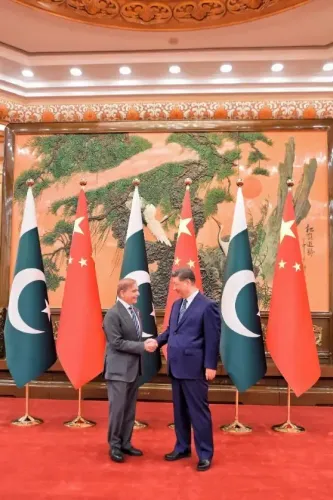
The analysis traces a critical turning point to 2013, when the Nawaz Sharif-led government returned to power and cleared nearly Rs 480 billion in circular debt within weeks of taking office. This move coincided with the launch of the China-Pakistan Economic Corridor (CPEC) under China's Belt and Road Initiative, which opened a window for major energy investments that, according to the report, was not fully utilised.
Chinese officials had reportedly advised Pakistan to prioritise renewable energy — solar, wind, and hydropower. Instead, the country pivoted toward imported liquefied natural gas (LNG)-based and coal-fired power plants, both heavily dependent on fuel priced in US dollars, locking in long-term foreign-currency exposure at a time of persistent rupee weakness.
Missed Opportunities in Hydropower and Retrofitting
The report argues that major hydropower projects — including the Diamer-Bhasha Dam, Dasu, and Bunji hydropower schemes — were sidelined in terms of priority and never fully integrated into the CPEC energy portfolio. Together, these projects held the potential to generate more than 15,000 MW of electricity at comparatively lower cost.
Pakistan also reportedly missed an opportunity to retrofit ageing oil and gas-fired power plants in cities including Faisalabad, Karachi, and Muzaffargarh, which could have improved efficiency at significantly lower cost. The analysis contrasts this inaction with neighbouring India's retrofitting of 17,500 MW of thermal power capacity, a move that delivered cheaper electricity to consumers.
The Thar Coal Dispute
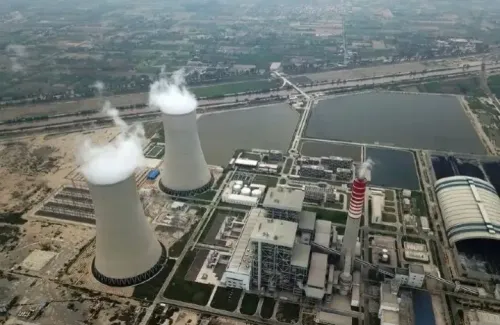
The analysis also scrutinises the handling of Pakistan's Thar coal reserves. China's Shenhua Group had reportedly proposed developing mine-mouth coal power projects in Thar capable of generating electricity at significantly lower tariffs. The project, however, reportedly collapsed due to tariff disputes with Pakistan's power regulator, the National Electric Power Regulatory Authority (NEPRA).
The report further accused NEPRA of approving inflated tariffs and construction costs for subsequent Thar coal projects. Pakistan now pays between 12 and 17 US cents per unit for electricity — significantly higher than the projected cost that Thar coal projects would have delivered, according to the analysis.
Regulatory Failures at the Centre
Critics cited in the analysis argue that weak regulatory oversight compounded every misstep — from fuel procurement to tariff-setting. The cumulative effect is a power sector that is expensive to run, difficult to reform, and deeply indebted. This comes amid Pakistan's ongoing engagement with the IMF on fiscal consolidation, though the report is emphatic that multilateral pressure alone does not explain the depth of the crisis.
With circular debt continuing to strain Pakistan's fiscal position, the trajectory of its energy sector will depend on whether policymakers can break from the patterns that the analysis says have defined the past decade.
Point of View
When Pakistan had both Chinese capital and Chinese counsel pointing toward renewables and domestic coal, and chose dollar-denominated imports instead. The Thar coal episode is particularly revealing: a regulator accused of inflating tariffs on the very projects meant to reduce costs. Pakistan's energy problem is not a financing gap; it is a governance gap, and no IMF programme can fix that without structural regulatory reform that successive governments have deferred.
NationPress
23 Sept 2026
Frequently Asked Questions
What is Pakistan's circular debt problem?
Pakistan's circular debt refers to the accumulating unpaid dues between power producers, distributors, and the government, which has ballooned due to high generation costs, subsidised tariffs, and poor recovery rates. The analysis cited by The Tribune Express argues it is rooted in policy failures dating back to at least 2013, not primarily IMF-imposed conditions.
Why did Pakistan's energy costs rise so sharply after CPEC?
Pakistan opted for imported LNG-based and coal-fired power plants under CPEC rather than renewable and domestic fuel sources, making its electricity generation heavily dependent on fuel priced in US dollars. As the rupee weakened and global fuel prices rose, generation costs escalated sharply.
What happened to Pakistan's Thar coal power projects?
China's Shenhua Group had proposed mine-mouth coal power projects in Thar that could have generated electricity at lower tariffs, but the project reportedly collapsed due to tariff disputes with NEPRA. Subsequent Thar coal projects were approved at inflated tariffs and construction costs, according to the analysis.
How does Pakistan's electricity cost compare to India's?
Pakistan currently pays between 12 and 17 US cents per unit for electricity, according to the report. By contrast, India retrofitted 17,500 MW of thermal capacity to deliver cheaper power — an approach Pakistan reportedly passed up for its own ageing plants in Faisalabad, Karachi, and Muzaffargarh.
Which hydropower projects did Pakistan sideline under CPEC?
The Diamer-Bhasha Dam, Dasu, and Bunji hydropower projects — with a combined potential of over 15,000 MW — were reportedly not fully integrated into the CPEC energy portfolio, representing a significant missed opportunity for low-cost domestic generation.