CM Fadnavis to roll out Jalyukt Shivar in 18,000 villages
Synopsis
Maharashtra's Chief Minister's Office has announced that the Jalyukt Shivar Yojana — CM Devendra Fadnavis's flagship rural water conservation programme — will be extended to 18,000 villages, targeting drought-prone Marathwada and Vidarbha through decentralised check dams, desilting and percolation tanks.
Key Takeaways
Jalyukt Shivar Yojana will be implemented across 18,000 villages in Maharashtra.
The scheme was originally launched in 2015 under CM Devendra Fadnavis with a target of 25,000 villages by 2019 .
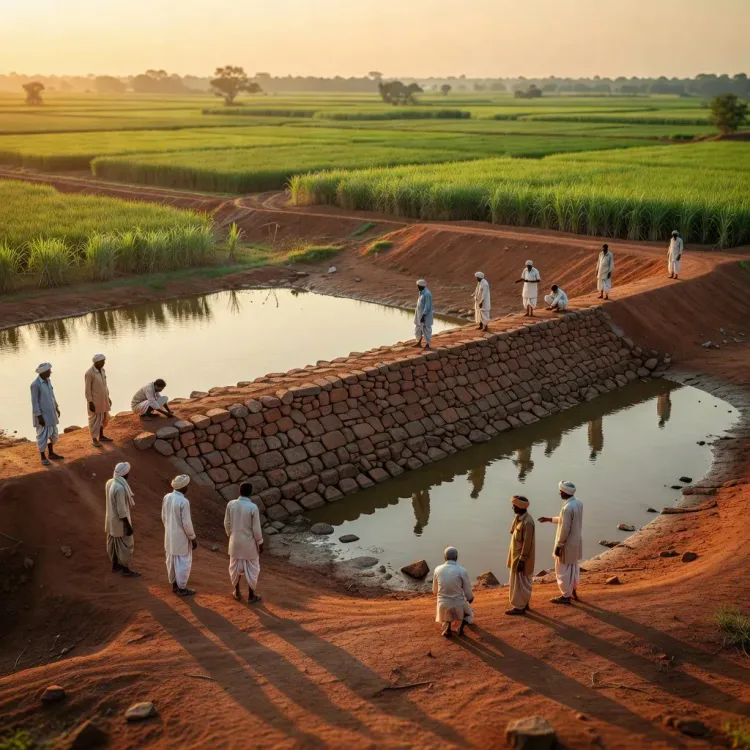
The programme uses decentralised water structures — check dams, desilted streams, and percolation tanks — funded through MGNREGA and state resources.
Primary beneficiaries are farmers in drought-prone Marathwada and Vidarbha facing chronic groundwater depletion and tanker dependency.
Success will be tracked through groundwater table data and tanker deployment numbers in covered villages after the next monsoon cycle.
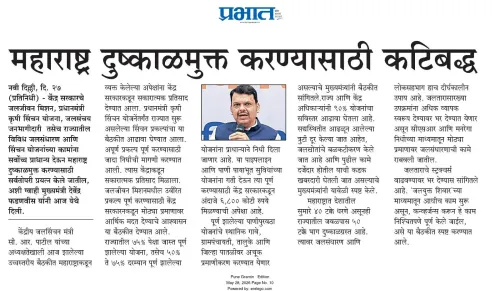
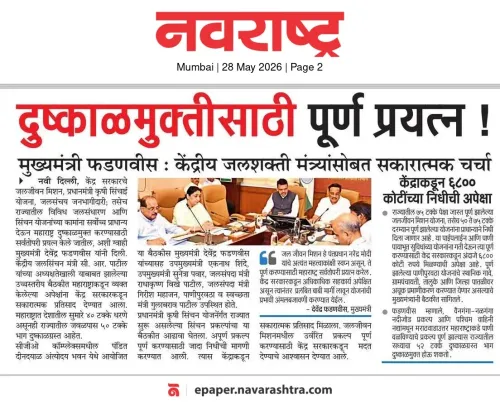
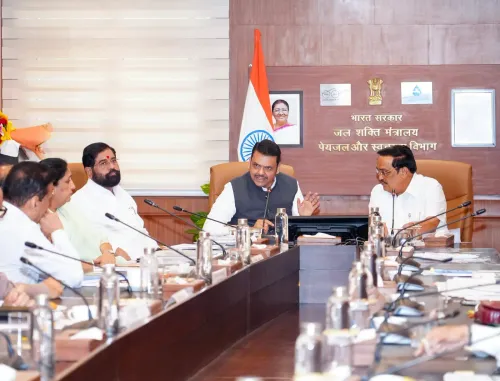
Drought-scarred farms and dry borewells across Maharashtra's rain-shadow belt could soon see relief — the Chief Minister's Office of Maharashtra confirmed on Friday, 20 November 2026 that the revived Jalyukt Shivar Yojana will be implemented across 18,000 villages in the state, with Chief Minister Devendra Fadnavis leading the push.
A flagship programme returns at scale
Jalyukt Shivar is not a new idea — it is a proven one being brought back with renewed ambition. Fadnavis first launched the scheme in 2015, setting a target of making 25,000 villages drought-free by 2019 through a network of desilted streams, check dams, and percolation tanks. The programme built its reputation on small, decentralised water conservation structures rather than mega-dam projects, combining MGNREGA funds with state resources and putting the work directly into the hands of gram panchayats.
The yojana (scheme) is now being brought to 18,000 villages in this phase — a rollout that targets the communities most exposed to recurring groundwater depletion and tanker dependency, particularly in Marathwada and Vidarbha, Maharashtra's most drought-prone regions.
Why Marathwada and Vidarbha need this now
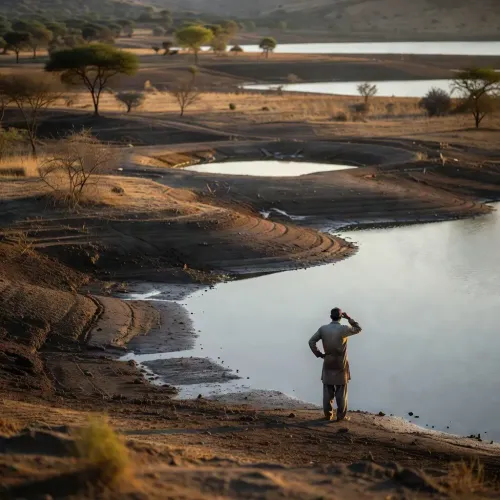
Maharashtra's rain-shadow districts live on a knife's edge every monsoon. When the rains underperform — which they do in Marathwada more often than not — farmers lose standing crops, wells run dry, and state governments scramble to deploy thousands of water tankers at significant cost. Groundwater tables in several talukas have been in long-term decline for over a decade.
The Jalyukt Shivar model attacks the problem at village level: desilt a nalla here, build a low-cost check dam there, link percolation tanks to recharge the aquifer below. The logic is simple — capture rainwater before it runs off, slow it down, let it seep in. Multiply that across 18,000 villages and the cumulative recharge effect can be substantial, as the first phase of the programme demonstrated in areas that reported measurable improvements in groundwater levels.
What the 18,000-village target means on the ground
Each village covered under Jalyukt Shivar undergoes a micro-watershed survey, after which a package of site-specific structures is planned and executed. The programme's design keeps execution decentralised and cost-efficient. For the farmers who depend on a single seasonal crop and have no insurance against a dry year, a reliably recharged aquifer is not an environmental headline — it is the difference between sowing and not sowing.
Progress will be measured the hard way: groundwater table readings, tanker deployment numbers in covered villages during the next monsoon cycle, and crop-sowing data from the targeted districts. Those numbers, when they arrive, will be the real verdict on the scheme's reach.
Point of View
The approach sidesteps inter-district water disputes while delivering visible, village-level results before the next election cycle. The 18,000-village target also signals that Maharashtra is institutionalising demand-side water management as a permanent budget commitment — not a drought-year emergency response. Whether the groundwater data after the 2027 monsoon validates that institutional bet will determine the scheme's political durability.
NationPress
20 Nov 2026
Frequently Asked Questions
What is Jalyukt Shivar Yojana in Maharashtra?
Jalyukt Shivar Yojana is a Maharashtra government scheme that creates decentralised water conservation structures — check dams, desilted streams, and percolation tanks — to make villages drought-free and recharge groundwater. It was first launched in 2015 by Chief Minister Devendra Fadnavis.
How many villages will be covered under Jalyukt Shivar in 2026?
The Chief Minister's Office of Maharashtra has announced that the scheme will be implemented across 18,000 villages in the state in its current phase.
Which regions of Maharashtra benefit most from Jalyukt Shivar?
The scheme primarily targets drought-prone regions like Marathwada and Vidarbha, where recurring groundwater depletion and dependence on water tankers are most acute.
How is Jalyukt Shivar funded?
The programme combines MGNREGA funds with state government resources to finance small-scale, village-level water conservation structures, keeping costs decentralised and execution at the gram panchayat level.
What was the original target of Jalyukt Shivar Abhiyan?
When launched in 2015, the Jalyukt Shivar Abhiyan aimed to cover 25,000 villages and make them drought-free by 2019.