CM Majhi pays tribute to Odia journalism pioneer Gaurishankar Ray
Synopsis
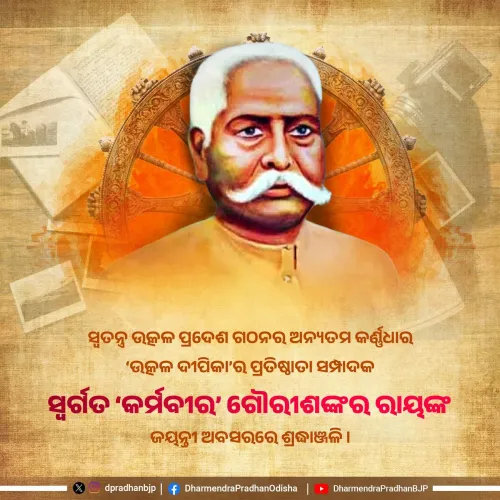
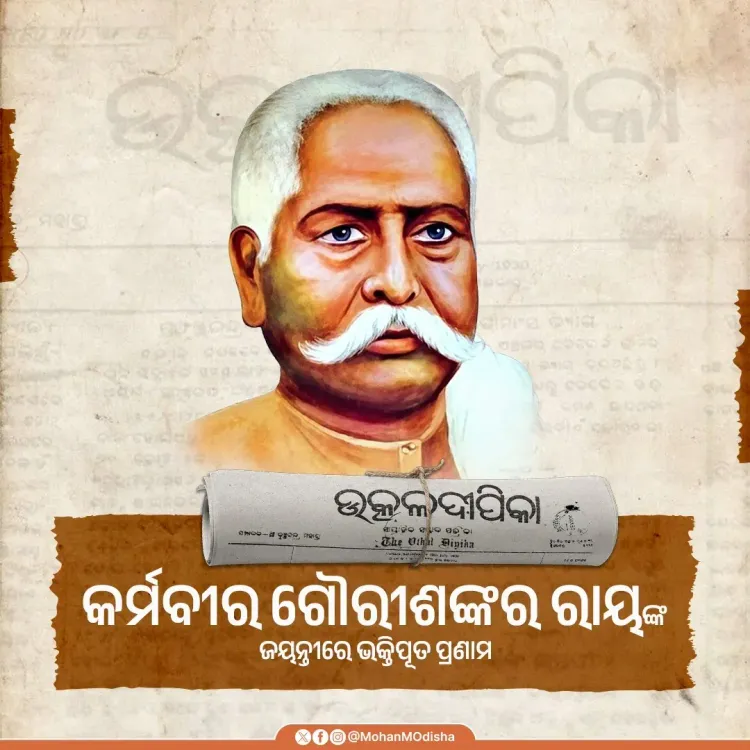
Odisha Chief Minister Mohan Charan Majhi on 13 July 2026 paid homage to Gaurishankar Ray, the 19th-century founder of Utkal Dipika, honouring his foundational role in Odia journalism, language revival, and social reform on the occasion of Ray's birth anniversary.
Key Takeaways
CM Mohan Charan Majhi offered tribute to Gaurishankar Ray on his birth anniversary on 13 July 2026 .
Gaurishankar Ray is regarded as a pioneer of Odia-language journalism and a leading social reformer of the 19th century.
Ray founded Utkal Dipika in 1866 , one of the earliest major Odia-language newspapers.
The publication played a pivotal role in campaigns for Odia linguistic identity and national consciousness during colonial rule.
Majhi described Ray's contributions to 'truth, justice, and social awakening' as a lasting source of inspiration.
Such tributes align with broader state-level efforts to highlight pre-independence contributions to Odia cultural heritage.
Odisha Chief Minister Mohan Charan Majhi on Monday, 13 July 2026 offered tribute to Gaurishankar Ray, the 19th-century journalist and social reformer widely regarded as a pioneer of Odia-language journalism, on the occasion of Ray's birth anniversary.
Context
Posting in Odia on X, CM Majhi offered what he called 'bhaktiputa pranama' (devotional salutations) to Ray, describing him as a distinguished journalist, social reformer, and trailblazer of Odia journalism. He wrote that Ray 'gave a new direction to the Odia language, literature, and national consciousness' through his work, and that his 'fearless journalism and unforgettable contributions towards truth, justice, and social awakening will remain an eternal source of inspiration.'
The tribute marks the birth anniversary of one of Odisha's most consequential press figures, whose legacy spans language revival, literary promotion, and colonial-era reform activism.
Policy Backdrop
Gaurishankar Ray founded Utkal Dipika in 1866, making it one of the earliest and most influential Odia-language newspapers. The publication served as a central platform for campaigns to preserve and promote the Odia language at a time when it faced administrative marginalisation under colonial rule.
Ray's journalism was closely tied to the broader movement for Odia linguistic identity — a movement that eventually culminated in the formation of a separate Odisha province in 1936, with Odia as its defining cultural pillar. His editorial work is credited with nurturing a sense of collective Odia nationhood during a formative period.
Stakeholders and Impact
The tribute resonates with Odia journalists, language activists, and cultural organisations who regard Ray as a foundational figure in the state's press history. His legacy is invoked regularly in discussions around the health and reach of Odia-language media.
Indian state leaders across party lines routinely issue public commemorations for 19th-century regional journalists and reformers who shaped vernacular press movements during the colonial period. Such tributes reinforce state-level narratives around pre-independence contributions to cultural and national identity.
What's Next
Birth anniversary observances of figures like Ray often coincide with or precede state-level events recognising Odia journalism history — including awards, seminars, or media-day programmes that highlight the vernacular press tradition. Whether the Odisha government marks the occasion with any formal event or institutional recognition remains to be seen.
With Odia having received classical language status from the central government, commemorations of foundational literary and press figures are likely to gain greater prominence in official cultural calendars going forward.
Point of View
Majhi positions the state government as a steward of Odia linguistic heritage at a moment when the classical language status of Odia has elevated such narratives. Tributes of this kind also serve to consolidate cultural credibility among Odia-speaking constituencies who hold their vernacular press tradition in high regard. The regularity with which Indian state leaders mark such anniversaries reflects a wider pattern of institutionalising regional reformers within official memory.
NationPress
13 Jul 2026
Frequently Asked Questions
Who was Gaurishankar Ray?
Gaurishankar Ray was a 19th-century Odia journalist, social reformer, and pioneer of Odia-language journalism, best known for founding the newspaper Utkal Dipika in 1866.
What is Utkal Dipika?
Utkal Dipika, founded in 1866, was one of the first major Odia-language newspapers and served as a platform for the promotion of Odia language, literature, and social reform during the colonial period.
Why did CM Majhi pay tribute to Gaurishankar Ray?
CM Mohan Charan Majhi paid tribute to Gaurishankar Ray on the occasion of Ray's birth anniversary on 13 July 2026, recognising his contributions to Odia journalism, language, and social awakening.
What did Gaurishankar Ray contribute to the Odia language?
Through Utkal Dipika, Gaurishankar Ray championed the Odia language and literature at a time when it faced marginalisation, helping to nurture a sense of collective Odia identity and national consciousness during colonial rule.
What is the significance of Gaurishankar Ray for Odia journalism?
Gaurishankar Ray is considered the foremost pioneer of Odia-language journalism, and his fearless editorial work linking truth, justice, and social reform set the foundational ethos for the Odia press tradition.