CM Majhi: Stadiums in All 9 Blocks of Sambalpur
Synopsis
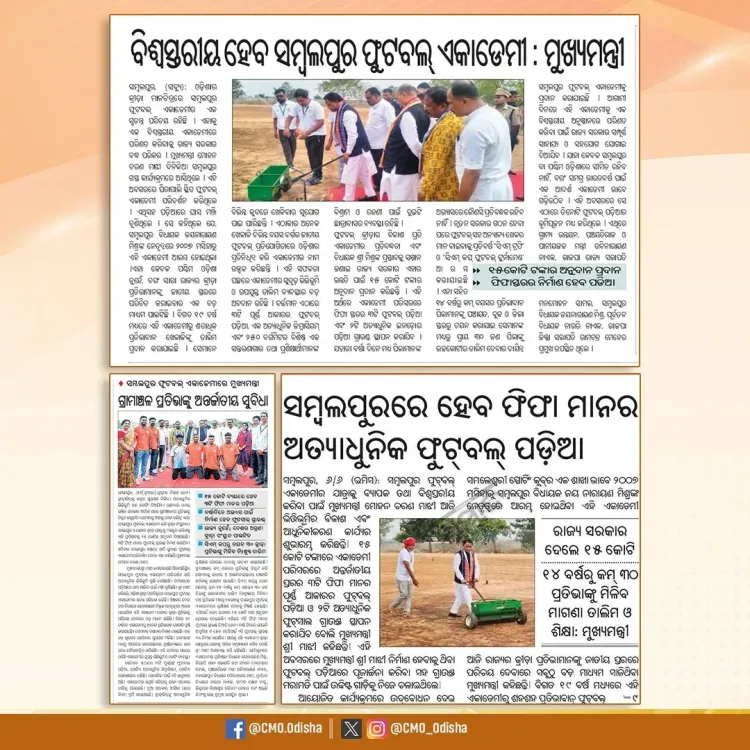
Chief Minister Mohan Majhi announced on June 7, 2026, at the Sambalpur Cup kabaddi tournament that stadiums will be built in all nine blocks of Sambalpur district. The move aims to develop sports talent at the grassroots level across western Odisha.
Key Takeaways
Stadiums will be constructed in all 9 blocks of Sambalpur district , as announced by CM Mohan Charan Majhi on June 7, 2026 .
The announcement was made at the Sambalpur Cup , an All India Kabaddi Tournament hosted in Sambalpur.
The initiative targets grassroots sports development and talent nurturing in western Odisha.
Odisha's BJP-led government, in power since June 2024 , is extending sports infrastructure beyond the state capital to district and block levels.
The move follows Odisha's established track record of sports investment, including the Kalinga Stadium and the 2018 Men's Hockey World Cup .
Timelines, tenders, and funding details for the nine stadiums are yet to be officially announced.
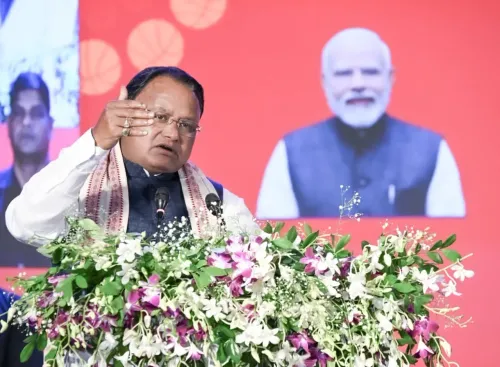
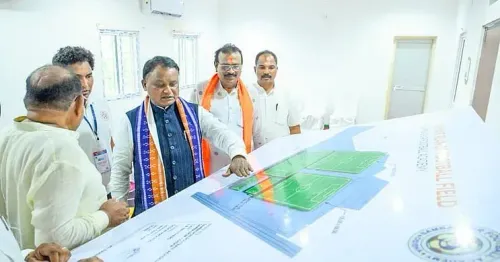
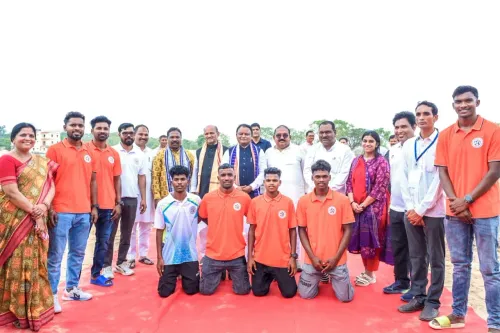
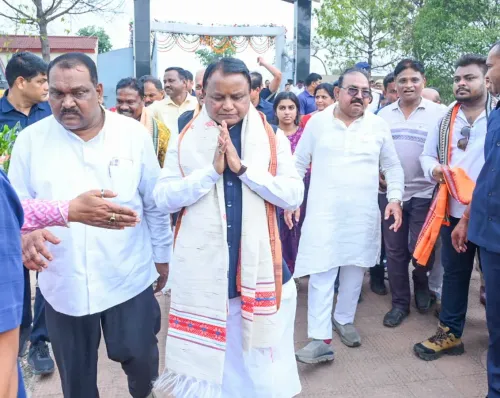
The Chief Minister's Office of Odisha announced on Sunday, June 7, 2026, that stadiums will be constructed in all nine blocks of Sambalpur district as part of the state government's push to develop sports at the grassroots level. Chief Minister Mohan Charan Majhi made the announcement while attending the 'Sambalpur Cup', an All India Kabaddi Tournament hosted in Sambalpur.
Context
Speaking at the tournament, CM Majhi said the government is taking 'extensive steps for the development of sports talent' across the state. The Sambalpur Cup served as the backdrop for a policy commitment that targets one of Odisha's most prominent western districts — a region with nine administrative blocks that have historically lacked dedicated sports infrastructure at the local level.
The original post in Odia states: 'ତୃଣମୂଳସ୍ତରରୁ କ୍ରୀଡ଼ାର ବିକାଶ ଲକ୍ଷ୍ୟରେ ସମ୍ବଲପୁରର ସମସ୍ତ ୯ଟି ବ୍ଲକରେ ନିର୍ମାଣ ହେବ ଷ୍ଟାଡିୟମ' — meaning, 'With the aim of developing sports from the grassroots level, stadiums will be constructed in all 9 blocks of Sambalpur.'
Policy Backdrop
Odisha has steadily built its reputation as a sports-forward state, having constructed the landmark Kalinga Stadium in Bhubaneswar and hosted the 2018 Men's Hockey World Cup. Previous administrations also ran rural youth initiatives — including programmes under the Biju Yuva Vahini scheme — to widen participation beyond urban centres.
The current BJP-led state government under CM Majhi, which took office in June 2024, has signalled an intent to extend this infrastructure push westward, decentralising access to sports facilities beyond the state capital. Block-level stadiums represent a significant step down the administrative ladder, bringing facilities closer to rural athletes and communities.
This move aligns with India's broader national sports policy framework that encourages block- and panchayat-level infrastructure to identify and nurture talent in indigenous sports such as kabaddi, wrestling, and athletics.
Stakeholders and Impact
The primary beneficiaries of the announcement are rural youth in Sambalpur's nine blocks, who currently have limited access to structured sports venues. Kabaddi athletes stand to gain immediately, given that the announcement was made at a national-level kabaddi tournament, signalling the government's recognition of the sport's deep roots in the region.
Broader stakeholders include coaches, local sports associations, and district administration officials who would oversee planning and construction. If implemented, the nine stadiums could serve as talent identification hubs, feeding into state and national-level competitions.
What's Next
Observers will watch for the release of construction timelines, tendering processes, and funding allocations for the nine block-level stadiums in Sambalpur. Any follow-up announcements in the Odisha state assembly — particularly in budget sessions — will indicate how firmly this commitment is backed by financial provisioning.
The state's track record of hosting marquee sporting events suggests institutional capacity exists; the test will be whether that capacity extends to simultaneous block-level execution across a single district, a model that, if successful, could be replicated in other western Odisha districts.
Point of View
Rural access. For a government that came to power in June 2024, this is also politically astute: Sambalpur is a key constituency in western Odisha, and block-level infrastructure touches voters directly. The real measure of intent, however, will be the speed and scale of actual construction rather than the announcement itself.
NationPress
13 Sept 2026
Frequently Asked Questions
Where will stadiums be built in Odisha under the new announcement?
Stadiums will be built in all nine administrative blocks of Sambalpur district in western Odisha, as announced by Chief Minister Mohan Majhi on June 7, 2026.
Why did CM Majhi make this announcement at the Sambalpur Cup?
CM Majhi attended the Sambalpur Cup, an All India Kabaddi Tournament held in Sambalpur, and used the occasion to announce the block-level stadium initiative as part of the state's grassroots sports development push.
What is the Sambalpur Cup kabaddi tournament?
The Sambalpur Cup is an All India Kabaddi Tournament hosted in Sambalpur, Odisha, serving as a national-level competition and a platform for the state government to highlight sports policy commitments.
What sports infrastructure has Odisha built before this?
Odisha previously built the Kalinga Stadium in Bhubaneswar and hosted the 2018 Men's Hockey World Cup. Earlier state programmes like Biju Yuva Vahini also promoted rural youth sports participation.
When did Mohan Majhi become Chief Minister of Odisha?
Mohan Charan Majhi became Chief Minister of Odisha in June 2024, leading the BJP-led state government.