CM Manik Saha Greets Doctors, Flags Tripura Medical Seat Expansion
Synopsis
On National Doctors' Day, 1 July 2026, Tripura Chief Minister Dr. Manik Saha saluted the medical community and highlighted the state's expansion of undergraduate and postgraduate medical seats, framing it as a step toward delivering quality healthcare to Tripura's remote regions.
Key Takeaways
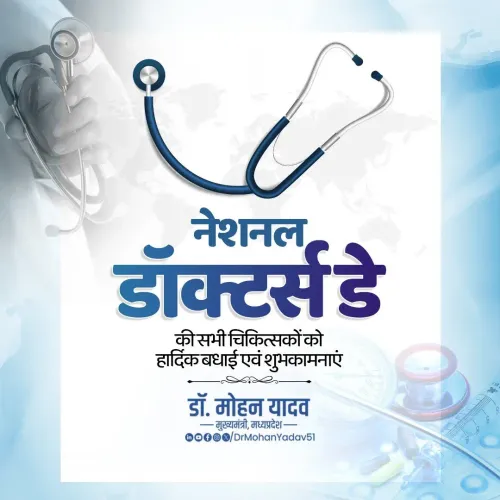
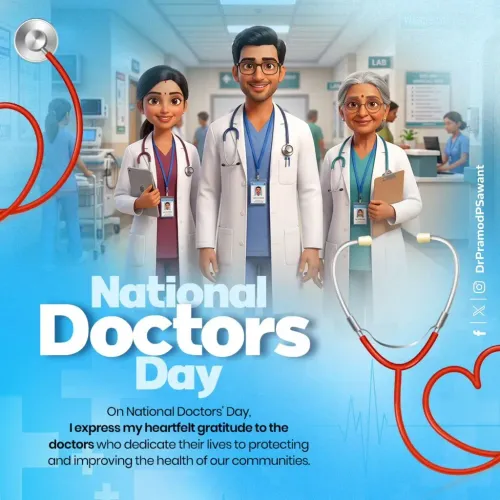
National Doctors' Day , observed on 1 July every year in India, prompted Chief Minister Dr.
Manik Saha to publicly honour Tripura's medical fraternity.
Saha described doctors' hard work, humanity, and commitment as the 'core foundation' of the healthcare system.
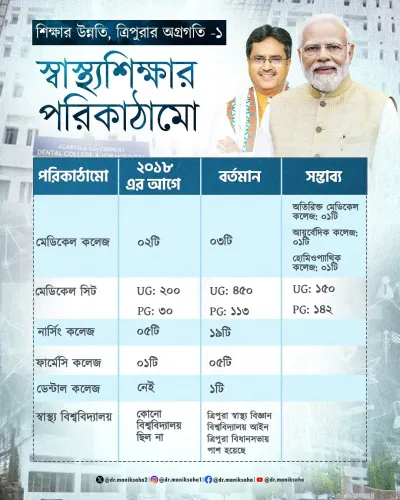
The Chief Minister cited a significant increase in MBBS and postgraduate medical seats in Tripura over the past few years.
The seat expansion is aimed at creating opportunities for a new generation of doctors and building a skilled health workforce.
The initiative is intended to extend quality medical services to remote and rural areas of Tripura.
Tripura's health investments align with the broader National Health Policy 2017 push to address doctor shortages in northeastern India.
Tripura Chief Minister Dr. Manik Saha on 1 July 2026, National Doctors' Day, extended greetings to physicians across the state and highlighted significant expansion of undergraduate and postgraduate medical education seats in Tripura, stating that the steps are enabling quality healthcare to reach even the remotest corners of the state.
Context
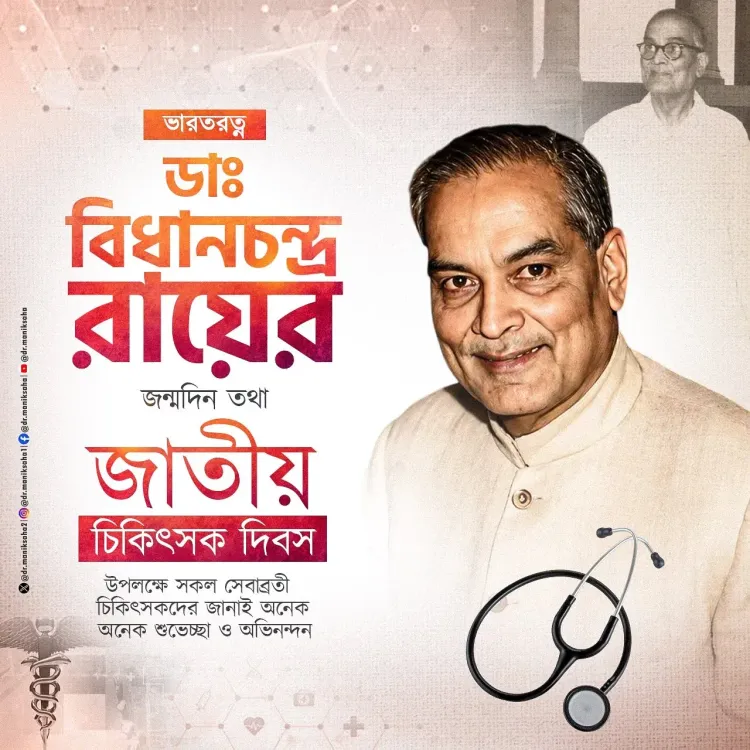
National Doctors' Day is observed every year on 1 July in India to honour the medical fraternity, a tradition dating to 1991. The date commemorates the birth and death anniversary of legendary physician and former West Bengal Chief Minister Dr. Bidhan Chandra Roy. Chief Minister Dr. Saha, himself a trained dental surgeon, used the occasion to both salute doctors and outline the state's health-sector progress.
In his post, Dr. Saha wrote — 'জাতীয় চিকিৎসক দিবসে সকল নিবেদিতপ্রাণ চিকিৎসকদের জানাই আন্তরিক শুভেচ্ছা ও শ্রদ্ধা' ('On National Doctors' Day, I extend my heartfelt greetings and respect to all dedicated doctors'). He described doctors' hard work, humanity, and unwavering commitment as the 'core foundation of the healthcare system,' and noted that through relentless service even in adverse conditions, they have earned the trust and gratitude of crores of people.
Policy Backdrop
The Chief Minister pointed to 'significant steps' taken over the past few years to strengthen Tripura's health infrastructure, specifically citing a notable increase in medical education seats at both the graduate (MBBS) and postgraduate levels. The National Medical Commission has overseen a nationwide push to expand medical seats since 2019, and northeastern states have been a particular focus under the National Health Policy 2017 framework, which seeks to address acute doctor-to-population shortfalls in geographically challenging regions.
Tripura, a landlocked northeastern state with significant tribal and rural populations, has historically faced difficulties retaining qualified medical professionals and delivering specialist care to its remote areas. Expanding local medical education capacity is seen as a long-term structural fix, reducing dependence on doctors trained outside the state.
Stakeholders and Impact
The immediate beneficiaries of expanded medical seats are medical students from Tripura and the broader northeastern region, who gain more local options for MBBS and postgraduate training without migrating to larger metros. For rural patients in districts far from Agartala, the downstream effect is the eventual deployment of a larger pool of trained doctors and health workers closer to home.
Practising doctors, meanwhile, received direct recognition in the Chief Minister's message, which emphasised that their service during difficult circumstances has built irreplaceable public trust. Dr. Saha framed the state's infrastructure investments as a complement to, rather than a replacement for, the dedication of individual physicians.
What's Next
Observers will watch Tripura's 2026-27 state budget allocations for health and medical education to assess whether the seat-expansion momentum translates into proportionate funding for faculty, infrastructure, and equipment. The outcomes of the 2026-27 medical admissions cycle will also serve as a concrete measure of how much additional capacity has come online. If the expanded seats are matched with rural posting incentives, the initiative could meaningfully shift healthcare access metrics in one of India's most underserved regions.
Point of View
Invoking his administration's record on medical education seats carries particular credibility and personal resonance. The emphasis on reaching 'remote areas' is a recurring motif in northeastern governance discourse, where geographic isolation has long been a political pressure point. Linking seat expansion to rural healthcare access signals that the BJP-led state government is positioning health infrastructure as a tangible development dividend ahead of future electoral cycles.
NationPress
1 Jul 2026
Frequently Asked Questions
Why is National Doctors' Day celebrated on 1 July in India?
National Doctors' Day is observed on 1 July every year in India to mark the birth and death anniversary of eminent physician and former West Bengal Chief Minister Dr. Bidhan Chandra Roy . The day has been observed since 1991 to honour the contributions of the medical community.
What did Tripura CM Manik Saha say on National Doctors' Day 2026?
Tripura Chief Minister Dr. Manik Saha extended heartfelt greetings to all dedicated doctors, calling their hard work, humanity, and commitment the core foundation of the healthcare system. He also highlighted that medical education seats at the undergraduate and postgraduate levels have been significantly increased in Tripura.
Has Tripura increased MBBS seats in recent years?
Chief Minister Dr. Manik Saha stated on 1 July 2026 that undergraduate and postgraduate medical education seats in Tripura have seen a notable increase in recent years, aimed at producing more doctors and improving healthcare access in remote areas. Specific figures were not cited in his post.
How is Tripura improving healthcare in rural and remote areas?
Tripura has been expanding medical college capacity and increasing MBBS and postgraduate seats to train more doctors locally, with the goal of deploying a larger skilled health workforce in remote parts of the state. These steps align with the National Health Policy 2017 framework for northeastern India.
Who is Dr. Manik Saha?
Dr. Manik Saha is the Chief Minister of Tripura and a senior BJP leader who has been in office since 2022 . He is a trained dental surgeon, making him one of the few medically qualified chief ministers in India, and has prioritised health infrastructure development in the state.