CM Bhagwant Mann Pushes Education Revolution 2.0 in Punjab
Synopsis
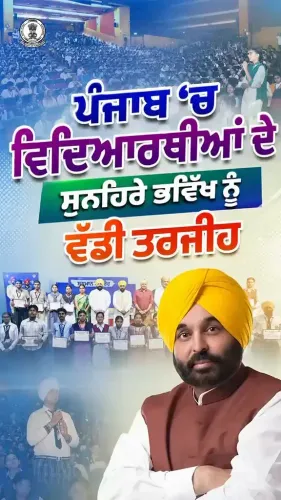
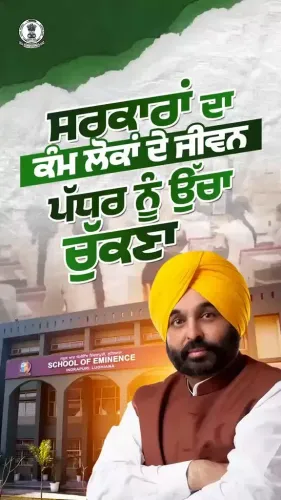
Punjab's Chief Minister's Office says Education Revolution 2.0 is running successfully under CM Bhagwant Mann, who has personally motivated government school students to study with peer cooperation and diligence to build a better future.
Key Takeaways
The Chief Minister's Office of Punjab announced on 17 June 2026 that Education Revolution 2.0 is progressing successfully across the state.
Chief Minister Bhagwant Singh Mann personally urged students to study with mutual cooperation and hard work.
The initiative is part of a broader education overhaul launched after the AAP government came to power in Punjab in March 2022 .
The reform draws from the AAP governance model in Delhi , focusing on government school upgrades, smart classrooms, and remedial support.
Government school students and teachers across Punjab are the primary stakeholders of the initiative.
Release of annual school performance metrics and supplementary budget allocations will be key indicators of the programme's impact.
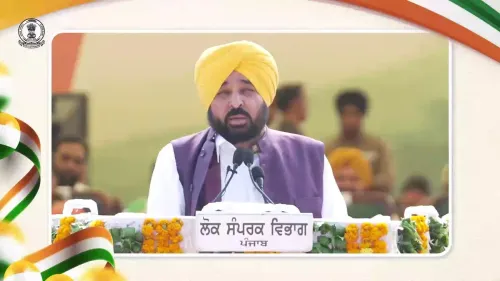
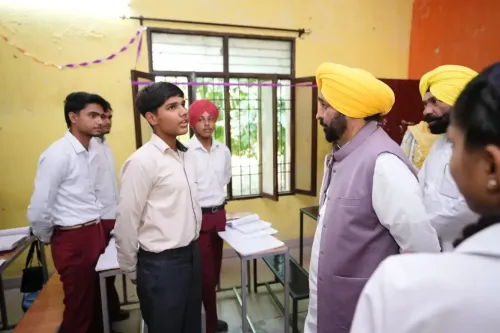
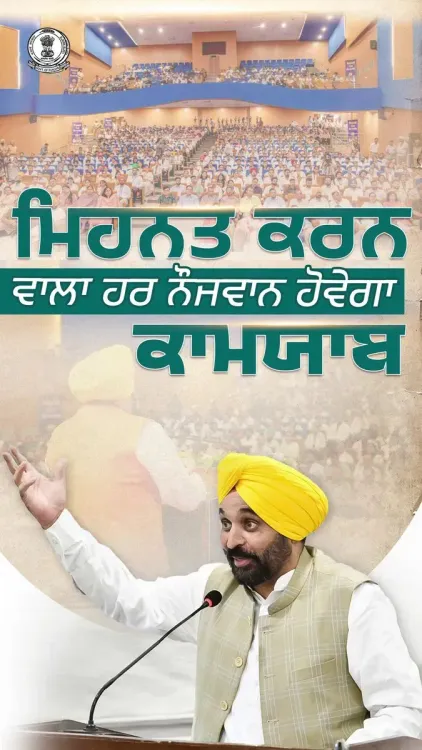
The Chief Minister's Office of Punjab announced on Wednesday, 17 June 2026, that Education Revolution 2.0 is progressing successfully across the state under the leadership of Chief Minister Bhagwant Singh Mann, who has personally urged students to study with mutual cooperation and hard work to advance their futures.
The post, shared in Punjabi, states: 'ਪੰਜਾਬ ਦੇ ਮੁੱਖ ਮੰਤਰੀ ਭਗਵੰਤ ਸਿੰਘ ਮਾਨ ਵੱਲੋਂ ਬੱਚਿਆਂ ਨੂੰ ਆਪਸੀ ਸਹਿਯੋਗ ਤੇ ਮਿਹਨਤ ਨਾਲ ਪੜ੍ਹਾਈ ਕਰਨ ਅਤੇ ਭਵਿੱਖ ਵਿੱਚ ਅੱਗੇ ਵਧਣ ਲਈ ਪ੍ਰੇਰਿਤ ਕੀਤਾ ਗਿਆ' — meaning Chief Minister Mann motivated children to study with teamwork and diligence and to move forward in life.
Context
The Aam Aadmi Party (AAP) government in Punjab, which came to power in March 2022, has consistently positioned education reform as a flagship priority. Drawing from the governance model piloted in Delhi, the Punjab administration moved early to upgrade government schools with improved infrastructure, smart classrooms, and structured remedial support for students lagging behind. Education Revolution 2.0 represents the second phase of this broader overhaul, with the current emphasis appearing to centre on motivational outreach — encouraging students in government schools to adopt peer learning habits and build academic ambition.Policy Backdrop
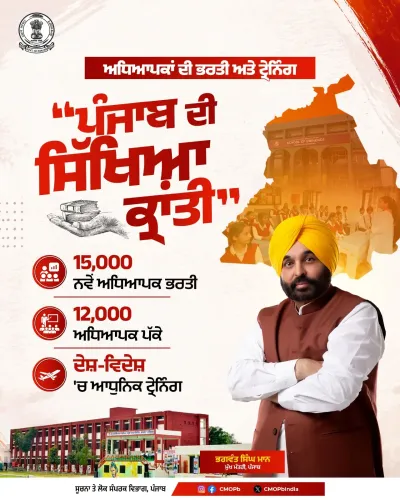
AAP-governed states have made large-scale government school upgrades a political and policy signature, arguing that quality public education reduces household dependence on costly private institutions. In Punjab, the government has spoken of teacher training programmes, infrastructure renovation, and community engagement as pillars of its education agenda. The framing of this initiative as a 'revolution' carries deliberate political weight: it positions the state administration as a transformative actor in a sector long associated with neglect of public institutions. Chief Minister Bhagwant Mann has made frequent public appearances at school events to reinforce this narrative.Stakeholders and Impact
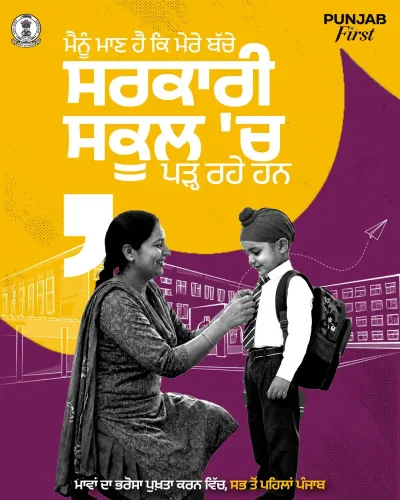
The primary beneficiaries of Education Revolution 2.0 are students enrolled in Punjab's government school network and the teachers who serve them. Government school enrolment in the state runs into millions of children, many from economically weaker sections for whom free public schooling is the primary avenue of formal education. Motivational campaigns of this kind, when backed by infrastructural investment, can influence attendance rates, peer learning culture, and parental confidence in public schools. Teachers are also direct stakeholders, as such initiatives typically carry expectations of updated pedagogy and accountability measures.What's Next
Attention will now turn to whether the Punjab government releases measurable performance data — such as enrolment figures, learning outcome assessments, or pass rates — to substantiate the progress claimed under Education Revolution 2.0. Supplementary budget allocations for classroom infrastructure or teacher recruitment in the coming fiscal cycle will be a key indicator of the initiative's depth beyond motivational messaging. If the government follows through with published metrics, it would set a benchmark for accountability in state-level education reform that observers across India are watching closely.Point of View
The administration is reinforcing an emotional and political connection with a constituency — public school families — that is numerically large and historically underserved. The initiative's second-phase framing signals an intent to extend, not merely consolidate, the education agenda ahead of future electoral cycles. However, the absence of published outcome data means the initiative remains, for now, more a political signal than a verifiable policy milestone.
NationPress
16 Sept 2026
Frequently Asked Questions
What is Punjab's Education Revolution 2.0?
Education Revolution 2.0 is the second phase of the Punjab government's large-scale education reform programme, launched under Chief Minister Bhagwant Mann and the AAP administration, focusing on upgrading government schools and motivating students through peer learning and hard work.
What did CM Bhagwant Mann say to students under Education Revolution 2.0?
CM Bhagwant Mann urged students to study with mutual cooperation and diligence and to strive to advance their futures, according to a post by the Chief Minister's Office of Punjab on 17 June 2026.
When did AAP start education reforms in Punjab?
The AAP government in Punjab began its education reform agenda after winning the state elections in March 2022, drawing inspiration from the school upgrade model implemented in Delhi.
Who benefits from Punjab's Education Revolution 2.0?
The primary beneficiaries are students enrolled in Punjab's government school network and their teachers, particularly children from economically weaker sections who depend on free public schooling.
How is Punjab's education reform different from Delhi's model?
Punjab's Education Revolution 2.0 adapts the AAP's Delhi model — which focused on smart classrooms and infrastructure — to Punjab's context, with added emphasis on student motivation campaigns and peer learning culture.