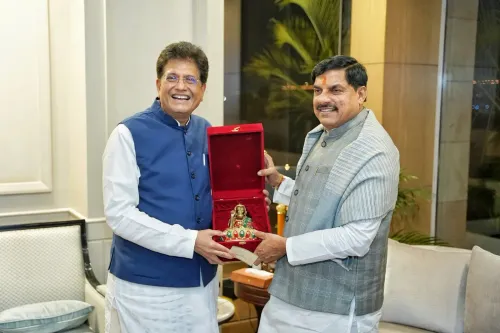
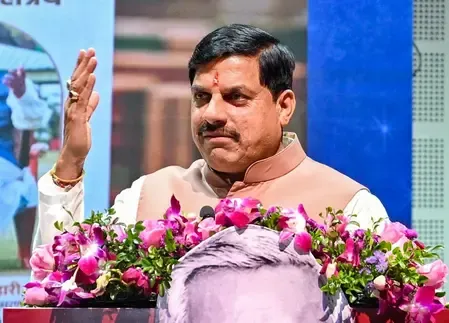
CM Mohan Yadav at MoU event for India's first Telecom Manufacturing Zone
Synopsis
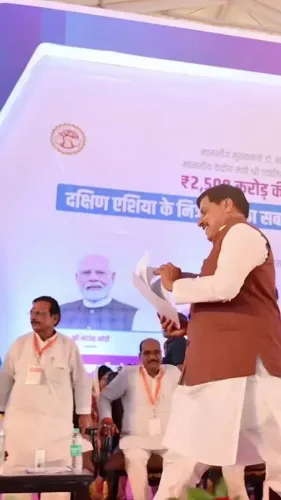
MP Chief Minister Dr. Mohan Yadav joined the MoU ceremony in New Delhi for India's first Telecom Manufacturing Zone on 30 July 2026, positioning Gwalior as the country's first telecom manufacturing hub under PM Modi's Atmanirbhar Bharat push.
Key Takeaways
Mohan Yadav participated in the MoU signing event for India's first Telecom Manufacturing Zone in New Delhi on 30 July 2026 .
Gwalior is being positioned as the anchor location for the country's first telecom manufacturing hub.
The initiative builds on PM Modi's Make in India programme (launched September 2014 ) and the PLI scheme for telecom products notified in 2021 .
The zone aims to reduce India's import dependence in telecom hardware, particularly from China.
Follow-up steps include land allocation in Gwalior, anchor investor commitments, and formal regulatory approvals for the zone.
India's telecom manufacturing ambitions landed on the map in a concrete way on Thursday, 30 July 2026, when Madhya Pradesh Chief Minister Dr. Mohan Yadav travelled to New Delhi to participate in the MoU signing ceremony for the country's first dedicated Telecom Manufacturing Zone — and he arrived with a clear pitch: make Gwalior the beating heart of it.
Gwalior's bid for India's first telecom manufacturing hub
In his post, CM Yadav described the MoU event as 'ek mahatvapurna uplabdhi' — 'an important achievement' — in the direction of establishing Madhya Pradesh, and specifically Gwalior, as India's first telecom manufacturing hub. The framing is deliberate: state governments across India have learned to move fast when central schemes create new industrial geography, and Madhya Pradesh is planting its flag early.
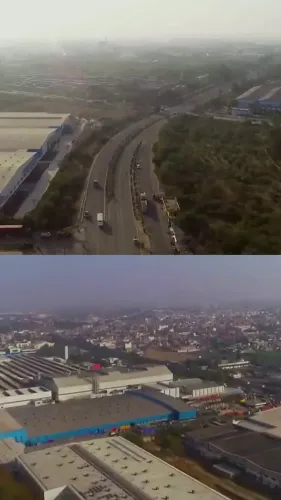
Gwalior, a historic city in northern Madhya Pradesh with existing industrial infrastructure, is being positioned as the anchor location for the zone. The selection fits a pattern — states that combine available land, connectivity, and political will tend to win these designations.
The policy runway: from Make in India to this MoU
This moment did not arrive overnight. Prime Minister Narendra Modi's Make in India initiative, launched in September 2014, set the direction. The Production Linked Incentive (PLI) scheme for telecom and networking products, notified in 2021, sharpened the focus — offering manufacturers financial incentives to produce domestically what India had long imported, particularly from China.
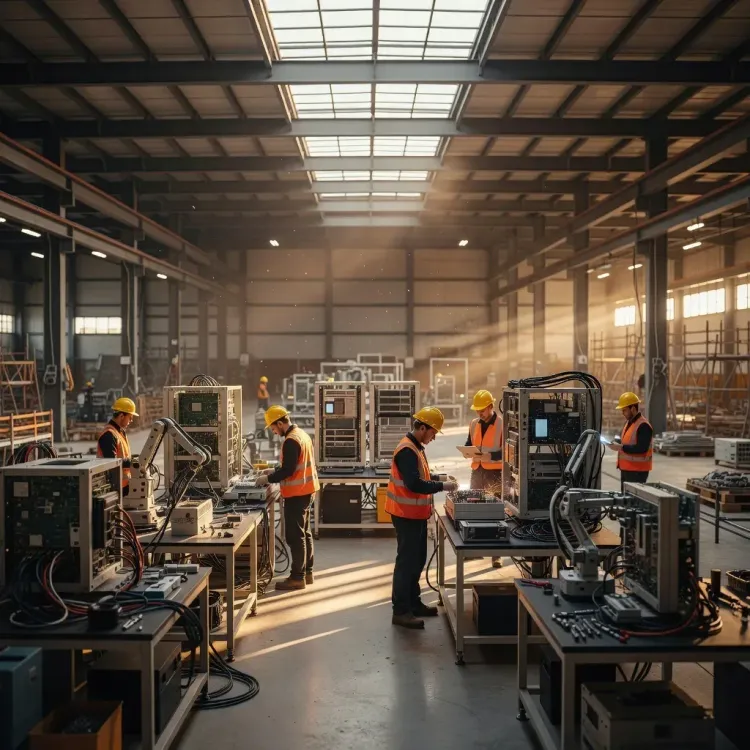
A dedicated Telecom Manufacturing Zone is the next logical step: a geographically concentrated cluster where suppliers, assemblers, and logistics converge, compressing costs and building an ecosystem rather than isolated factories. CM Yadav credited PM Modi's 'visionary leadership' (doordarshi netritva) for steering India toward atmanirbharta — self-reliance — in telecom hardware.
What the MoU sets in motion
MoU signings mark intent, not completion — the harder work of land allocation, regulatory clearances, and investment commitments follows. What to watch: whether formal cabinet or parliamentary approval is sought for the zone's establishment, which companies sign on as anchor investors, and how quickly Gwalior's industrial land pipeline is activated.
For Madhya Pradesh, the stakes extend beyond symbolism. A functioning telecom manufacturing cluster in Gwalior would mean industrial jobs, supply-chain development, and a durable claim on the 'first mover' advantage in a sector that India's policymakers have identified as strategically critical.
India's first Telecom Manufacturing Zone is, for now, a signed intention — but intentions backed by PLI money, central government push, and a state government publicly committed to delivery have a way of becoming ground-level reality faster than sceptics expect.
Point of View
CM Yadav is doing what savvy state leaders do: locking in political credit before the concrete is poured. The deeper question is whether the PLI-plus-zone model can generate an ecosystem effect in telecom hardware the way it has begun to in mobile handset assembly. If Gwalior delivers, it becomes a template; if it stalls at the MoU stage, it joins a long list of announced-but-delayed industrial corridors.
NationPress
30 Jul 2026
Frequently Asked Questions
What is India's first Telecom Manufacturing Zone?
It is a proposed dedicated industrial cluster for domestic production of telecom and networking equipment, aimed at reducing India's import dependence. An MoU for the zone was signed in New Delhi on 30 July 2026, with Gwalior in Madhya Pradesh identified as the intended hub location.
Why is Gwalior chosen for the telecom manufacturing hub?
Gwalior has been proposed as the anchor city for India's first Telecom Manufacturing Zone due to its existing industrial infrastructure, connectivity, and the Madhya Pradesh government's active push to attract central manufacturing schemes.
What is the PLI scheme for telecom products?
The Production Linked Incentive scheme for telecom and networking products was notified by the central government in 2021. It offers financial incentives to manufacturers who produce telecom equipment domestically, supporting the broader Make in India and Atmanirbhar Bharat goals.
What did CM Mohan Yadav say about the telecom MoU event?
CM Yadav described his participation in the New Delhi MoU ceremony as an important achievement toward establishing Madhya Pradesh, and specifically Gwalior, as India's first telecom manufacturing hub, crediting PM Modi's visionary leadership for driving the initiative.
What happens after the Telecom Manufacturing Zone MoU is signed?
The MoU marks a formal statement of intent. The next steps include land allocation in Gwalior, securing anchor investor commitments, and obtaining any required cabinet or parliamentary approvals for the zone's formal establishment.