MP Govt Pushes Cotton-to-Textile Integration for Farmers
Synopsis
Madhya Pradesh is pushing a farm-to-fabric model, linking its cotton-producing districts with textile manufacturing under CM Dr. Mohan Yadav and in coordination with the Union Ministry of Textiles, building on central PLI and SITP frameworks.
Key Takeaways
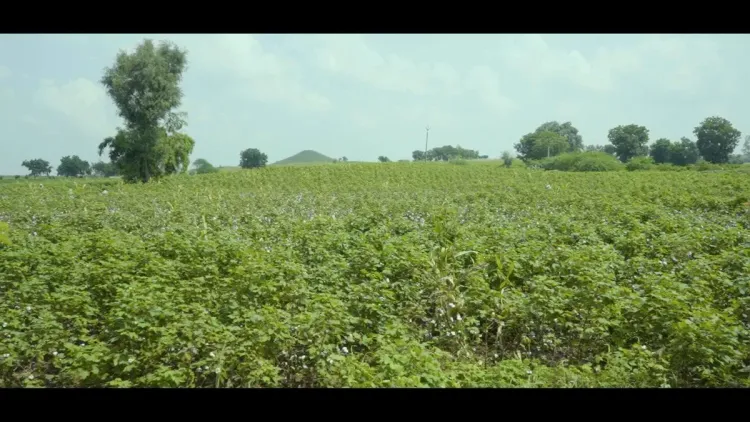
Mohan Yadav's office announced a vision to transform Madhya Pradesh's cotton fields into a textile manufacturing hub on 5 July 2026 .
The state is aligning with two central schemes: the Scheme for Integrated Textile Parks (SITP, 2017) and the Production Linked Incentive scheme for textiles (2022) .
Key cotton-producing districts such as Khargone and Barwani are expected to anchor the farm-to-fabric value chain.
Both the state industry ministry and state agriculture ministry are involved, indicating a cross-departmental push.
The initiative mirrors similar vertical integration models in Gujarat and Tamil Nadu under the Atmanirbhar Bharat framework.
Cotton farmers and textile manufacturers are the primary beneficiaries, with gains expected in price stability and input logistics respectively.
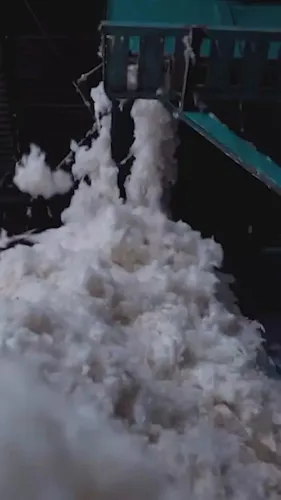
The Chief Minister's Office of Madhya Pradesh on Sunday, 5 July 2026, shared a vision of transforming the state's cotton fields into a thriving textile manufacturing hub, signalling a concerted push to link agricultural output directly with industrial value chains. The post, tagged to Chief Minister Dr. Mohan Yadav, the Union Ministry of Textiles, and the state's industry and agriculture ministries, frames the initiative as a 'new chapter of prosperity' written alongside farmers and industry alike.
The original Hindi post reads: 'Kapas ke kheton se textile hub tak… Kisan aur udyogon ke saath samridhi ka naya adhyay likh raha Madhya Pradesh' — translating to: 'From cotton fields to a textile hub… Madhya Pradesh is writing a new chapter of prosperity with farmers and industries.'
Context
Madhya Pradesh is among India's significant cotton-producing states, with districts such as Khargone and Barwani forming the backbone of raw cotton supply. Despite this agricultural strength, the state has historically exported raw cotton with limited downstream processing, meaning farmers captured only a fraction of the textile value chain's earnings. The current administration under CM Dr. Mohan Yadav, who took office in December 2023, has made farm-to-fabric integration a stated priority.
Policy Backdrop
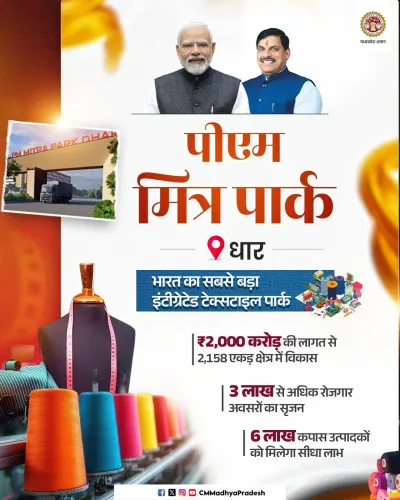
The push aligns with two central government frameworks: the Scheme for Integrated Textile Parks (SITP), approved in 2017 to create dedicated textile clusters with shared infrastructure, and the Production Linked Incentive (PLI) scheme for textiles, notified in 2022 by the Union Ministry of Textiles to attract investment in man-made fibre and apparel segments. Madhya Pradesh has been aligning its industrial policy with these national schemes to encourage finished-goods manufacturing within the state rather than exporting raw fibre.
This vertical integration strategy mirrors efforts already under way in Gujarat and Tamil Nadu, both of which have leveraged central textile schemes under the broader Atmanirbhar Bharat manufacturing push to build end-to-end textile ecosystems.
Stakeholders and Impact
Cotton farmers stand to gain the most directly: when ginning, spinning, weaving, and garment-making units are established close to farm clusters, farmers gain access to local buyers and face less price volatility from long-distance commodity trading. Textile manufacturers, meanwhile, benefit from proximity to raw material, potentially reducing input logistics costs and improving supply-chain reliability.
The involvement of both the state industry ministry and the state agriculture ministry — both tagged in the post — suggests a coordinated, cross-departmental approach rather than a single-ministry initiative. The simultaneous tag to the Union Ministry of Textiles indicates the state is seeking or reinforcing central partnership on funding and scheme eligibility.
What's Next
Observers will watch for formal announcements on new textile park locations, investment commitments, and whether Madhya Pradesh submits or expands proposals under the SITP or PLI frameworks. The state's ability to attract private investment into spinning and weaving units in cotton-belt districts will be a key measure of whether this vision translates into on-ground industrial activity. A sustained rise in farmer incomes from cotton in districts like Khargone would serve as the clearest indicator of success for this farm-to-fabric model.
Point of View
The state is publicly signalling a coordinated bid for central scheme resources. For CM Dr. Mohan Yadav, who took office less than three years ago, anchoring farmer prosperity to industrial growth offers a politically durable narrative ahead of future electoral cycles. Whether the vision translates into measurable investment and employment in cotton-belt districts will determine its credibility beyond optics.
NationPress
5 Oct 2026
Frequently Asked Questions
What is Madhya Pradesh's cotton-to-textile hub plan?
Madhya Pradesh is pursuing a farm-to-fabric integration model that aims to process raw cotton grown in districts like Khargone and Barwani into finished textile goods within the state, rather than exporting unprocessed fibre, thereby raising farmer incomes and creating manufacturing jobs.
Which central schemes is Madhya Pradesh using for textile development?
The state is aligning with the Scheme for Integrated Textile Parks (SITP), approved in 2017, and the Production Linked Incentive (PLI) scheme for textiles, notified in 2022, both administered by the Union Ministry of Textiles.
How will cotton farmers in Madhya Pradesh benefit from the textile hub initiative?
Farmers stand to gain from local buyer access and reduced price volatility, as spinning, weaving, and garment units established near farm clusters eliminate the need for long-distance commodity trading and give farmers a larger share of the textile value chain.
Who is CM Dr. Mohan Yadav?
Dr. Mohan Yadav is the Chief Minister of Madhya Pradesh, who assumed office in December 2023 and has made agricultural and industrial integration a key policy priority for the state.
Which other Indian states have similar cotton-textile integration models?
Gujarat and Tamil Nadu have pursued comparable vertical integration of the cotton-textile value chain under Atmanirbhar Bharat, leveraging central textile schemes to build end-to-end manufacturing ecosystems within their borders.