CM Mohan Yadav cites Emergency, Shah Bano on Constitution Day
Synopsis
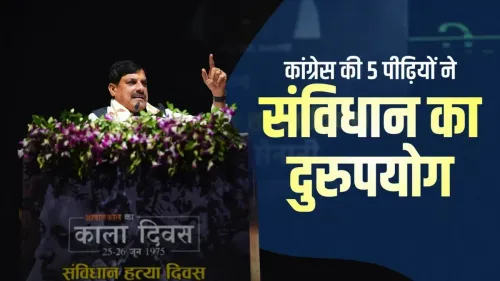
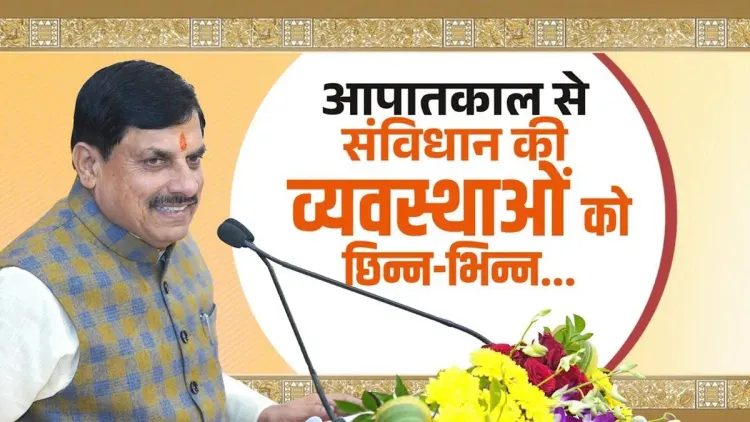
On Constitution Day, Madhya Pradesh CM Dr. Mohan Yadav said the Emergency, the 39th to 42nd Amendments, the Shah Bano case and attempts to curb the press affected the Constitution's basic spirit and the independence of democratic institutions.
Key Takeaways
Madhya Pradesh CM Dr.
Mohan Yadav on 26 November 2026 said the Emergency, 39th to 42nd Amendments, Shah Bano case and press-curb attempts affected the Constitution's basic spirit.
The national Emergency ran from June 1975 to March 1977 under then PM Indira Gandhi, with civil liberties and press freedom suspended.
The 42nd Amendment of 1976 expanded Parliament's powers, limited judicial review and added socialist and secular to the Preamble.
The 1985 Shah Bano Supreme Court ruling on maintenance was followed by the 1986 Muslim Women (Protection of Rights on Divorce) Act.
Constitution Day marks the adoption of the Constitution on 26 November 1949.
History, not a greeting. That was the charge from Madhya Pradesh Chief Minister Dr. Mohan Yadav on Constitution Day, as he named the Emergency, the 39th to 42nd Amendments, the Shah Bano case and attempts to restrict the press as moments when the Constitution's basic spirit and the independence of democratic institutions were affected.
On 26 November 2026, from Madhya Pradesh, he turned the anniversary of the Constitution's adoption into a public ledger of past overreach.
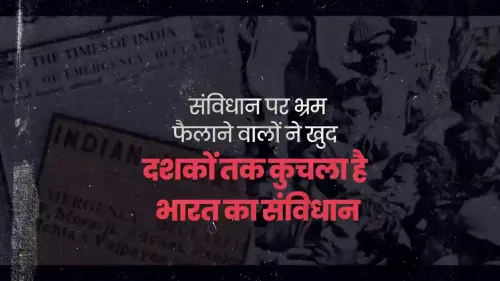
Writing in Hindi, he said that from the Emergency, the 39th-42nd Amendments, the Shah Bano case and efforts to limit press freedom, itihas gavah hai (history is witness) to how the original spirit of the Constitution and the freedom of democratic institutions were affected. He tagged the message #ConstitutionDay.
Emergency, 1975, and the amendment blitz
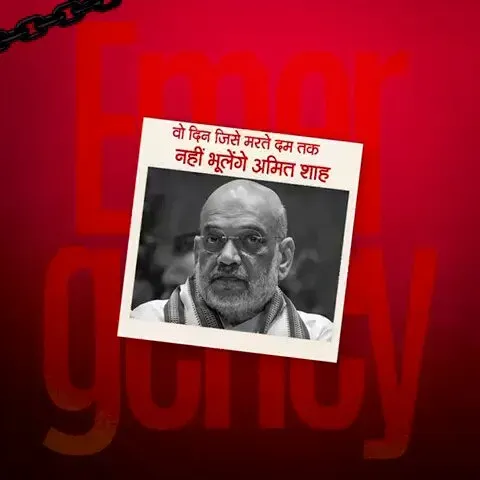
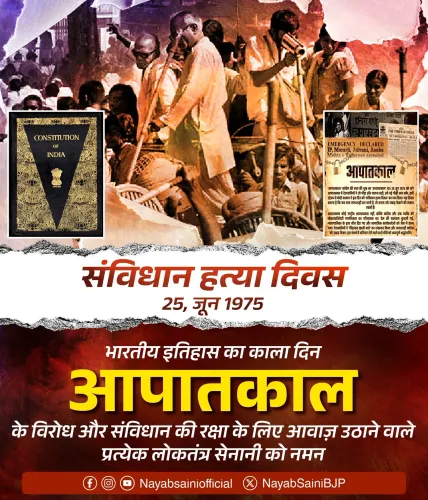
The national Emergency declared in June 1975 by then Prime Minister Indira Gandhi ran until March 1977. Civil liberties were suspended. So was press freedom. Between 1975 and 1976 Parliament pushed through the 39th to 42nd Constitutional Amendments, rewriting rules on elections, fundamental rights and the reach of the courts.
The 42nd Amendment of 1976 went furthest. It expanded Parliament's powers, curtailed judicial review and inserted the words 'socialist' and 'secular' into the Preamble. For BJP leaders, that package has long stood as a stock example of executive overreach that weakened constitutional checks.
Shah Bano, 1985, and the Act that followed
In 1985 the Supreme Court upheld maintenance rights for a divorced Muslim woman in the Shah Bano case. A political storm followed. In 1986 Parliament passed the Muslim Women (Protection of Rights on Divorce) Act, a statute that still echoes in debates on a uniform civil code and on how legislatures answer court rulings.
Dr. Yadav placed that episode on the same list as the Emergency amendments. The grouping is the point. He presented them as one sequence in which, he said, the Constitution's basic spirit came under strain.
Press freedom in the Constitution Day frame
BJP leaders routinely cite the Emergency and the associated amendments as examples of executive overreach. Constitution Day remarks from the party often invoke press freedom and judicial independence. Dr. Yadav's four-part list — Emergency, amendments, Shah Bano, press restrictions — sits in that recurring frame, with citizens, media organisations and the judiciary at the centre of those checks.
The same cluster of examples tends to return when assemblies debate constitutional values or media-related law. That is the watchpoint this post leaves on the table.
On a day set aside to honour the book, the Madhya Pradesh Chief Minister named the chapters he says still bruise it.
Point of View
Not a legal brief. Watch whether the same cluster of examples reappears when Parliament or the Madhya Pradesh Assembly next debates civil code, media law or judicial review.
NationPress
26 Nov 2026
Frequently Asked Questions
When is Constitution Day observed in India?
Constitution Day is observed on 26 November each year, marking the adoption of the Constitution in 1949. Madhya Pradesh Chief Minister Dr. Mohan Yadav used the 2026 date to recall the Emergency and later controversies.
What did Mohan Yadav say on Constitution Day 2026?
He said history is witness that the Emergency, the 39th to 42nd Amendments, the Shah Bano case and efforts to restrict press freedom affected the Constitution's basic spirit and the independence of democratic institutions.
What was the 42nd Amendment to the Indian Constitution?
Enacted in 1976 during the Emergency, it expanded Parliament's powers, curtailed judicial review and added the words socialist and secular to the Preamble. It was part of the 39th to 42nd amendment cluster passed in 1975-76.
What is the Shah Bano case?
It is a 1985 Supreme Court judgment on maintenance rights for a divorced Muslim woman. Parliament later passed the Muslim Women (Protection of Rights on Divorce) Act in 1986.
When was the Emergency imposed in India?
A national Emergency was declared in June 1975 by then Prime Minister Indira Gandhi and lifted in March 1977. Civil liberties and press freedom were suspended during that period.