CM Mohan Yadav: Daytime farm power in Kisan Kalyan Varsh
Synopsis
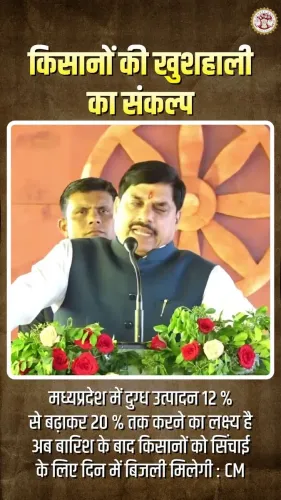
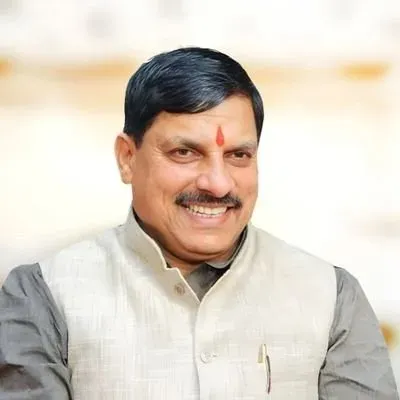
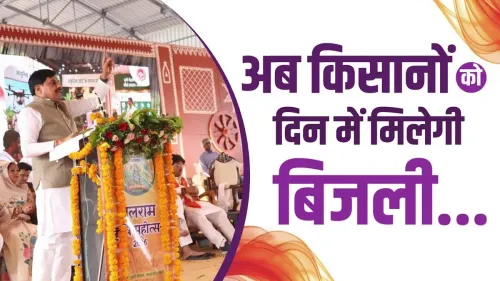
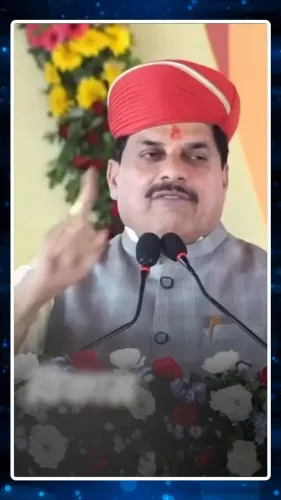
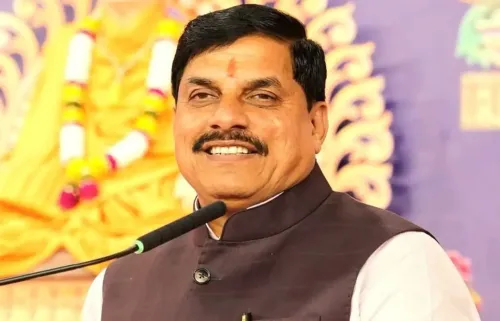
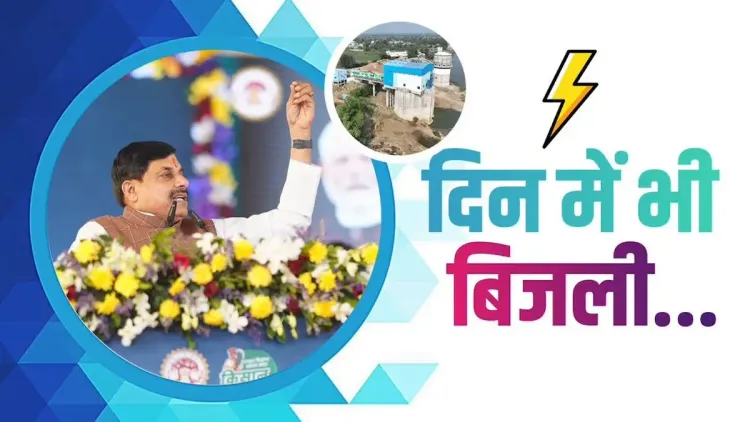
Madhya Pradesh Chief Minister Dr. Mohan Yadav said his government is working to provide daytime electricity to farmers during Kisan Kalyan Varsh. He cited 24-hour power in villages and 8 to 10 hours in fields as making farmers' lives safer and more convenient.
Key Takeaways
On 27 November 2026, Madhya Pradesh Chief Minister Dr.
Mohan Yadav said the government is determined to provide daytime electricity to farmers in Kisan Kalyan Varsh.
He cited 24-hour electricity in villages and 8 to 10 hours of supply in the fields.
He said those hours are making farmers' lives more secure and convenient.
Madhya Pradesh has run rural feeder-separation and electrification programmes since the mid-2010s to split village and farm loads.
The approach follows feeder-separation models used earlier in Gujarat and other states.
Madhya Pradesh Chief Minister Dr. Mohan Yadav has staked a clear claim on the rural grid: power when the farmer is in the field, and power that does not die when the village goes home. On 27 November 2026, he said his government is working with determination, in Kisan Kalyan Varsh, to deliver daytime electricity to cultivators.
In his words, the government is determined to make daytime power available to farmers. Village supply of 24 hours and farm supply of 8 to 10 hours, he said, is making cultivators' lives more secure and convenient.
24-hour villages, 8 to 10 hours on the farm
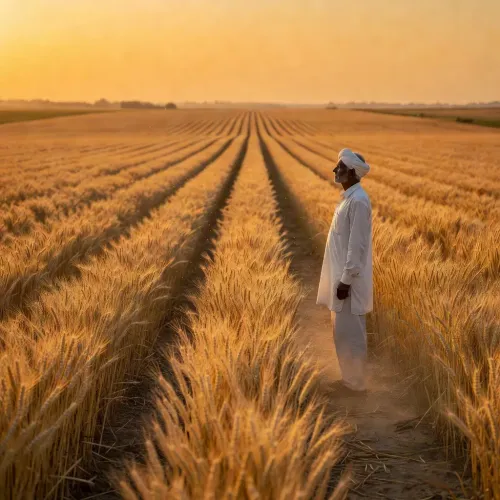
Those two numbers are the heart of the pitch. Round-the-clock current in hamlets is meant to keep homes, shops and community life running after dark. A dedicated 8 to 10 hour window on agricultural feeders is meant to run pumps in daylight, cutting the risk of night irrigation and making the workday more predictable.
Dr. Yadav tied the effort to Kisan Kalyan Varsh (Farmer Welfare Year). He did not gazette a new law in the post. He restated a direction: daytime farm power as a welfare promise, not a technical footnote.
The feeder-separation model behind the hours
Madhya Pradesh has pursued rural feeder separation and village electrification since the mid-2010s, splitting household and farm loads so one does not starve the other. The design is familiar across several Indian states: 24-hour village feeders, scheduled agricultural feeders, lower losses, and fewer farmers walking canals after midnight.
Gujarat and other states rolled out similar splits earlier. Madhya Pradesh's version sits in that lineage — an agrarian state treating reliable irrigation power as both infrastructure and politics. Farmers and rural households are the named stakeholders. The grid, not the slogan, will decide if life in the fields is actually safer.
For Madhya Pradesh's cultivators, the measure of Kisan Kalyan Varsh will be a pump that starts while the sun is still high.
Frequently Asked Questions
What did Madhya Pradesh CM Mohan Yadav say about electricity for farmers?
He said that during Kisan Kalyan Varsh the government is working with determination to provide daytime electricity to farmers. He added that 24-hour supply in villages and 8 to 10 hours in the fields is making farmers' lives more secure and convenient.
How many hours of power did Mohan Yadav cite for villages and farms in MP?
He cited 24 hours of electricity in villages and 8 to 10 hours in the fields. The post presents those hours as already improving farmers' safety and convenience.
What is Kisan Kalyan Varsh in Madhya Pradesh?
It is the farmer-welfare year banner used by Chief Minister Dr. Mohan Yadav in his 27 November 2026 post on rural electricity. He linked it to the drive to give farmers daytime power; a detailed gazette of the year's start and full scheme list is not set out in the post.
Why do Indian states separate agricultural power feeders?
Feeder separation lets villages keep 24-hour supply while farms get a dedicated block of hours, often in daylight. The aim is to cut losses, give pumps a predictable window, and reduce the need for night irrigation.
When did Madhya Pradesh start rural feeder separation?
The state has run rural feeder-separation and electrification programmes since the mid-2010s. Dr. Yadav's latest remarks sit in that longer effort rather than announcing a brand-new grid design.