CM Mohan Yadav Disburses ₹300 Cr to SHGs in Jhabua
Synopsis
Madhya Pradesh CM Dr. Mohan Yadav transferred ₹300 crore to state-wide self-help groups via a single-click digital mechanism at Thandla, Jhabua on 31 July 2026, and launched ₹283 crore in development works, spotlighting SHG-run Didi Cafes, livelihood libraries, and a push for local tribal employment.
Key Takeaways
₹300 crore disbursed to self-help groups across Madhya Pradesh via single-click digital transfer at Thandla, Jhabua on 31 July 2026 .
57 development works worth over ₹283 crore inaugurated or ground-broken at the same event.
Madhya Pradesh SHGs operate 196 Didi Cafes and 85 Aajivika Pustakalays (livelihood libraries) statewide.
Women participate in more than 150 non-agriculture-based livelihood activities through SHG networks.
CM Yadav pledged local employment for tribal youth in Jhabua, Dhar, and Alirajpur districts through MSME expansion.
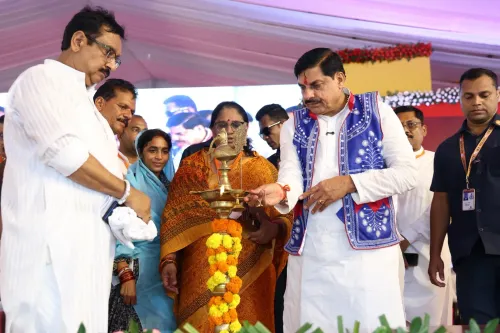
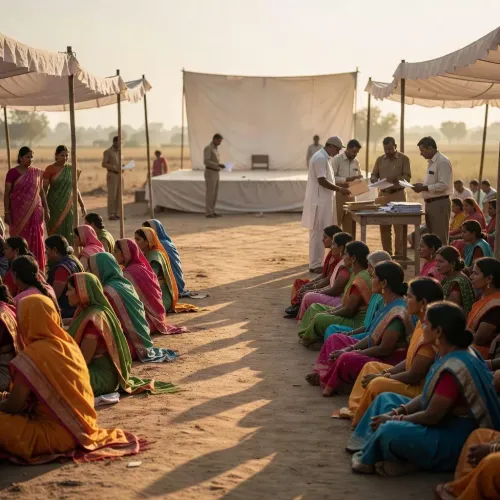
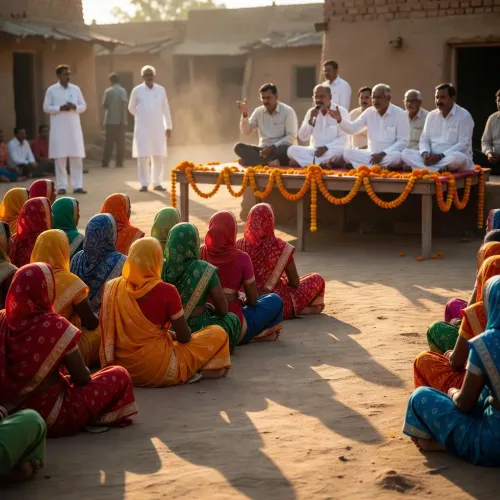
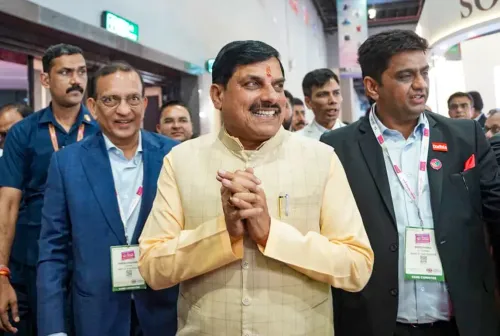
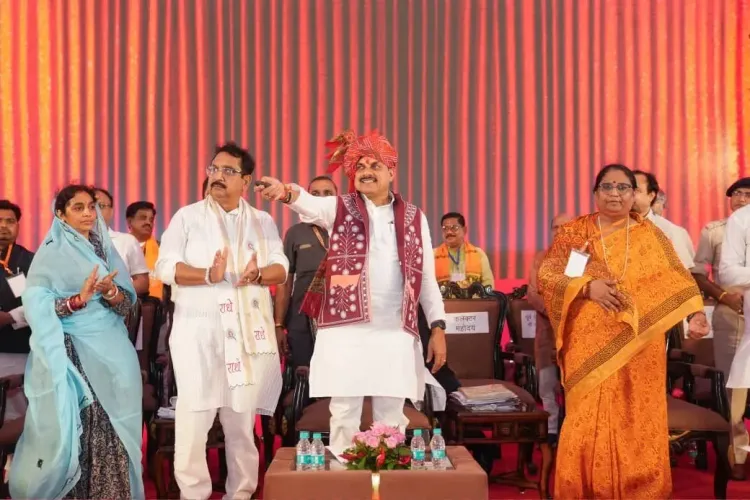
A single click. ₹300 crore. Transferred instantly to self-help groups across Madhya Pradesh. Madhya Pradesh Chief Minister Dr. Mohan Yadav made that happen on Friday, 31 July 2026, at a capacity-building and loan disbursement event in Thandla, Jhabua district — one of the state's most economically marginalised tribal belts.
₹300 Crore in One Click — What That Means on the Ground
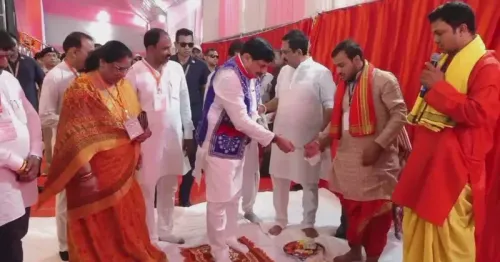
The single-click digital transfer is not a ceremonial gesture. It reflects the state's push to route welfare funds directly to beneficiaries, bypassing traditional bottlenecks. At the same event, Dr. Yadav inaugurated and performed bhoomipooja (ground-breaking) for 57 development works valued at over ₹283 crore — roads, infrastructure, and community assets that the tribal districts of Jhabua, Dhar, and Alirajpur have long awaited.
The Chief Minister's message was direct: 'Bahnon ki samridhi ka marg hai swa-sahayata samuh' — 'Self-help groups are the path to the prosperity of our sisters.' Behind that phrase is a network of women-led micro-enterprises that the state has been quietly scaling for years.
196 Didi Cafes, 85 Livelihood Libraries — and Counting
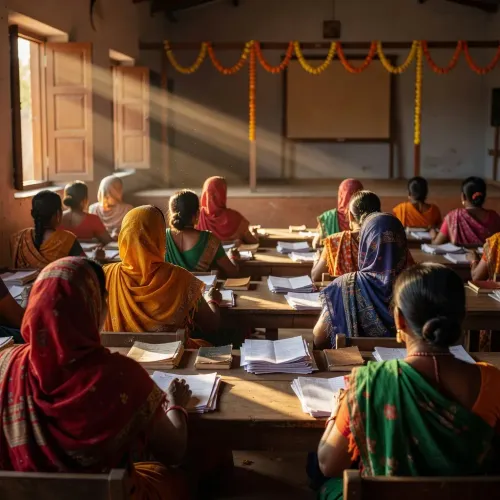
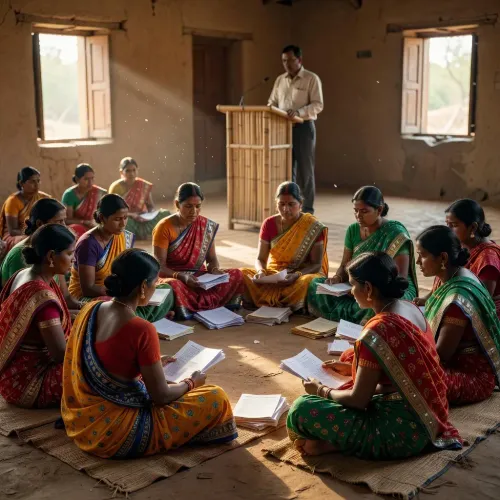
The numbers on the ground are striking. Across Madhya Pradesh, SHGs now run 196 Didi Cafes — community cafeterias that give women a commercial foothold — and 85 Aajivika Pustakalays (livelihood libraries) that blend skill development with reading access in rural pockets. These are not pilot projects. They are operational enterprises run by women who, a decade ago, had no formal credit history.
The state has also enabled women to participate in more than 150 non-agriculture-based activities, a deliberate move to reduce the vulnerability that comes with farm-income dependence — particularly acute in tribal districts where rainfall risk is high and landholdings are small.
Tribal Youth, Local Jobs, and the Migration Problem
Jhabua, Dhar, and Alirajpur share a common wound: seasonal out-migration. Young men and women leave for construction sites in Gujarat and Rajasthan every year because there is simply not enough work at home. Dr. Yadav framed the government's commitment plainly — that tribal youth should find employment within their own region, not be forced to chase it elsewhere.
The vehicle for that ambition is MSME expansion. By anchoring micro and small enterprises to SHG networks already embedded in these communities, the state is betting that local economic density can be built from the bottom up. The National Rural Livelihood Mission, launched nationally in 2011, provided the original scaffold; Madhya Pradesh is now stacking its own programmes on top of it.
Whether employment outcomes in these three districts actually improve — and whether the new development works translate into sustained economic activity — will be the real test. The money has moved. Now the work begins.
Point of View
Dhar, and Alirajpur also reflects a broader BJP strategy to consolidate support in Scheduled Tribe constituencies that have historically been contested. The real policy test, however, is whether MSME linkages to SHGs can actually arrest seasonal out-migration — a structural problem that no single disbursement event has yet solved.
NationPress
1 Aug 2026
Frequently Asked Questions
What is the Didi Cafe scheme in Madhya Pradesh?
Didi Cafes are SHG-run community cafeterias in Madhya Pradesh that provide women with a direct commercial livelihood. As of July 2026, 196 Didi Cafes are operational across the state, managed entirely by self-help group members.
How much loan was distributed to SHGs in Jhabua by CM Mohan Yadav?
₹300 crore was transferred to self-help groups across Madhya Pradesh via a single-click digital mechanism at an event in Thandla, Jhabua on 31 July 2026 by Chief Minister Dr. Mohan Yadav.
What is an Aajivika Pustakalaya?
An Aajivika Pustakalaya, or livelihood library, is an SHG-operated facility that combines skill development resources with reading access for rural communities. Madhya Pradesh has 85 such libraries running as of July 2026.
Which tribal districts did CM Mohan Yadav focus on for local employment?
CM Dr. Mohan Yadav specifically named Jhabua, Dhar, and Alirajpur — three tribal-majority districts in western Madhya Pradesh — pledging that youth from these areas should find employment within their own region through MSME and SHG-linked enterprises.
What is the National Rural Livelihood Mission and how does it relate to MP's SHGs?
The National Rural Livelihood Mission (NRLM) , launched in 2011 , is the central government framework for scaling self-help group formation, bank linkage, and livelihood promotion across India. Madhya Pradesh has built its own SHG schemes — including Didi Cafes and livelihood libraries — on top of this national foundation.