CM Mohan Yadav Hails Modi-Led Railway Transformation
Synopsis
MP Chief Minister Dr. Mohan Yadav publicly credited PM Narendra Modi for transforming Indian Railways, sharing Railway Minister Ashwini Vaishnaw's tribute that frames the network's modernisation as an act of national devotion and duty.
Key Takeaways
Mohan Yadav , Chief Minister of Madhya Pradesh , shared a tribute to PM Narendra Modi on 24 October 2026 for railway transformation.
The post quotes Railway Minister Ashwini Vaishnaw , praising the shift in Indian Railways' service culture under Modi's leadership.
Indian Railways has undergone major reforms since 2014 , including the merger of the Railway Budget with the Union Budget in 2017 .
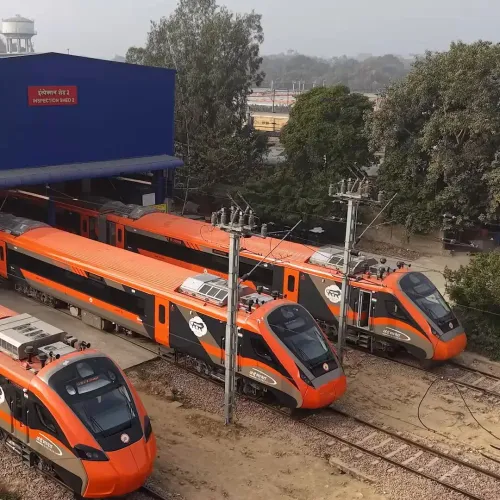
Vande Bharat Express , launched from 2019 , is the flagship semi-high-speed train symbolising the network's modernisation push.
The Amrit Bharat Station scheme is redeveloping hundreds of stations with upgraded passenger infrastructure across India.
The post signals active interest from Madhya Pradesh in deepened state-central rail coordination.
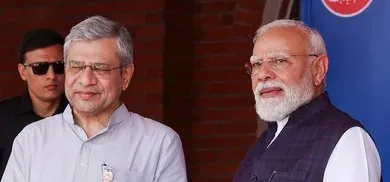
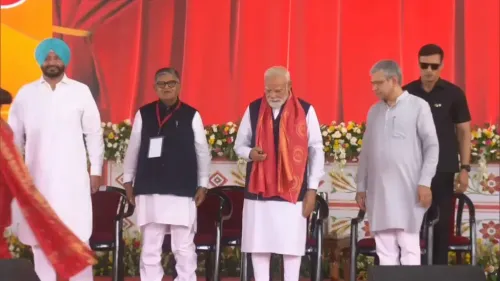
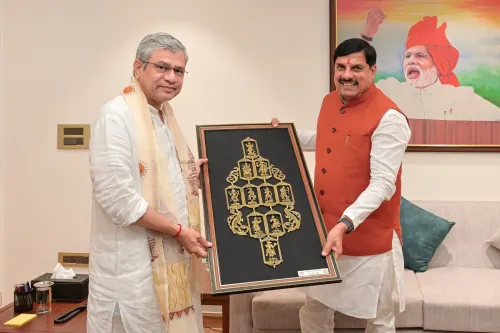
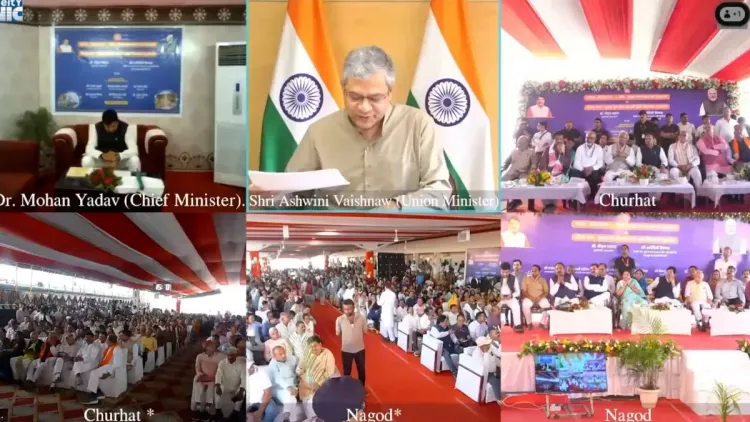
A decade of steel and speed — and Madhya Pradesh Chief Minister Dr. Mohan Yadav wants it on the record. On Saturday, 24 October 2026, the BJP leader took to X to publicly credit Prime Minister Narendra Modi for what he called a root-and-branch transformation of Indian Railways, quoting Railway Minister Ashwini Vaishnaw in the same breath.
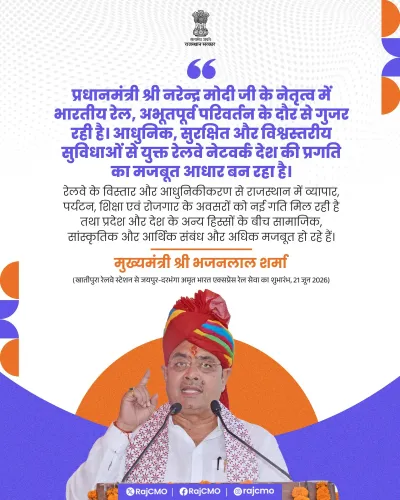
The post, attributed to Railway Minister Ashwini Vaishnaw and shared by Dr. Mohan Yadav, reads: 'Aadaraniya Pradhanmantri Shri Narendra Modi ji ka hriday se dhanyavaad dena chahunga' — 'I wish to express my heartfelt gratitude to the honourable Prime Minister, under whose leadership Indian Railways has undergone a complete transformation. Today, railways is delivering its services to the citizens of the country with devotion and a sense of duty.'
What 'Aamoolchool Parivartan' Actually Means on the Ground
The phrase aamoolchool parivartan — 'root-and-branch transformation' — is not merely rhetorical. Since 2014, Indian Railways has seen the merger of the Railway Budget with the Union Budget (2017), enabling unified capital planning for the first time in independent India's history. The launch of Vande Bharat Express services from 2019 onwards positioned the network as a flagship of domestic high-speed rail ambition, with semi-high-speed trains now operating across multiple corridors.
Station redevelopment under the Amrit Bharat Station scheme has added a visible, on-the-ground dimension to the overhaul — upgrading hundreds of stations with modern amenities, improved passenger facilities, and better connectivity. Electrification of rail lines has accelerated sharply, cutting dependence on diesel traction and lowering operational costs.
A State Chief Minister's Signal on Rail-State Coordination
Dr. Mohan Yadav's decision to amplify the Railway Minister's words carries a specific political and administrative signal. Madhya Pradesh sits at the geographic heart of India, making rail connectivity critical to its economic integration with northern, western, and southern markets. State-central coordination on new rail lines and station upgrades in the state remains an active priority.
The post also fits a broader pattern: state-level BJP leaders have consistently used public platforms to highlight central infrastructure outcomes, reinforcing a unified governance narrative ahead of electoral cycles. The language of 'devotion and duty' — shraddha aur kartavyabhaav — echoes a register that frames infrastructure delivery not merely as administration but as public service with moral weight.
As the Amrit Bharat redevelopment pipeline expands and new Vande Bharat corridors are announced, the question is whether Madhya Pradesh's own connectivity gaps — particularly in its eastern and tribal districts — will see accelerated attention. The acknowledgment from Bhopal suggests the state is watching, and expecting.
Point of View
Reinforcing a unified BJP governance narrative on infrastructure. The framing of railways as a site of 'devotion and duty' is deliberate: it elevates a technocratic achievement into a values-laden political identity. With Madhya Pradesh's connectivity needs still evolving, the public acknowledgment also functions as a soft lobbying signal — praise that implicitly asks for more. It fits a well-established pattern where state leaders use infrastructure milestones to stay visible in the central government's priority calculus.
NationPress
24 Oct 2026
Frequently Asked Questions
What did MP CM Mohan Yadav say about Indian Railways?
Dr. Mohan Yadav shared a statement by Railway Minister Ashwini Vaishnaw expressing heartfelt gratitude to PM Modi for leading a complete transformation of Indian Railways, calling the network's service delivery an act of devotion and national duty.
What is the Vande Bharat Express?
Vande Bharat Express is India's domestically designed semi-high-speed passenger train, first launched in 2019. It is the flagship service of Indian Railways' modernisation drive under PM Modi's government.
What is the Amrit Bharat Station scheme?
The Amrit Bharat Station scheme is a central government programme to redevelop and modernise hundreds of railway stations across India, improving passenger amenities, accessibility, and connectivity.
When was the Railway Budget merged with the Union Budget?
The Railway Budget was merged with the Union Budget in 2017, enabling unified infrastructure planning and allowing railway capital investment to be integrated into broader national fiscal strategy.
Why is Madhya Pradesh important for Indian Railways?
Madhya Pradesh sits at the geographic centre of India, making its rail network critical for connecting northern, western, and southern markets. State-central coordination on new lines and station upgrades in the state remains an active policy priority.