CM Mohan Yadav hosts state-level Gau-Pujan on Govardhan Puja in Bhopal
Synopsis
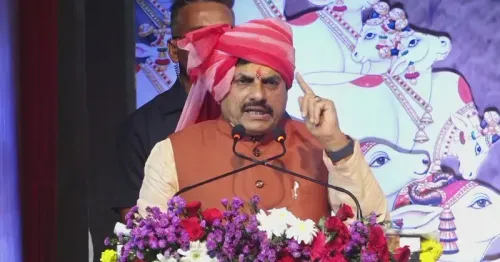
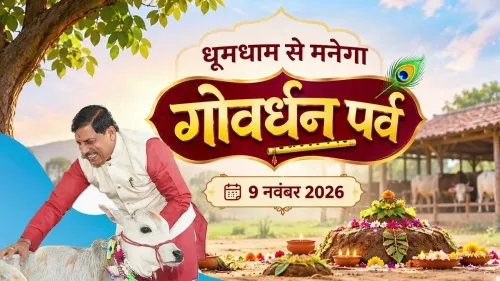
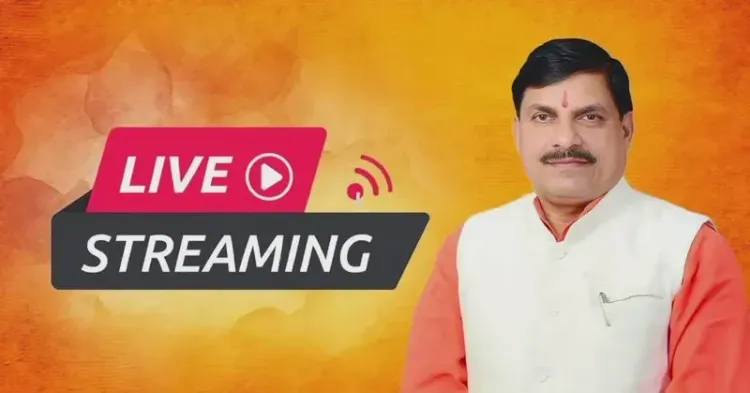
Chief Minister Dr. Mohan Yadav presided over a state-level Gau-Pujan and Pashupalak Samman Samaroh at Ravindra Bhawan, Bhopal, on Govardhan Puja on 9 November 2026, honouring livestock farmers across Madhya Pradesh.
Key Takeaways
Mohan Yadav served as chief guest at the state-level Gau-Pujan and Pashupalak Samman Samaroh in Bhopal.
The event was held at Ravindra Bhawan, Bhopal on 9 November 2026 , coinciding with Govardhan Puja .
Livestock keepers ( pashupalaks ) from across Madhya Pradesh were formally felicitated for their contribution to the rural economy.
The ceremony continues a practice of state-level Gau-Pujan events on Govardhan Puja seen across earlier administrations in Madhya Pradesh.
Madhya Pradesh has one of India's largest cattle populations, making animal husbandry a significant pillar of its rural economy.
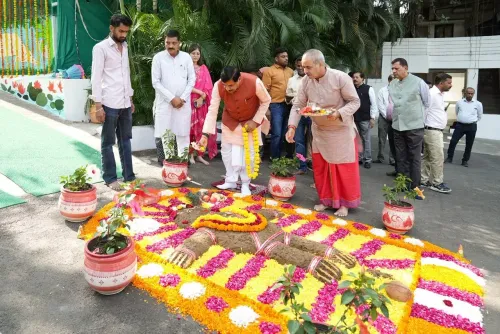
Cattle, culture, and community converged at Ravindra Bhawan, Bhopal on Monday, 9 November 2026, as the Madhya Pradesh government marked Govardhan Puja with a state-level cow-worship ceremony and a formal felicitation of livestock farmers — with Chief Minister Dr. Mohan Yadav presiding as the chief guest.
Govardhan Puja at the heart of a state ceremony
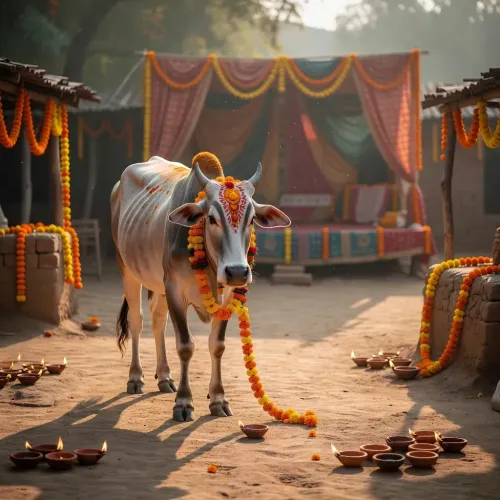
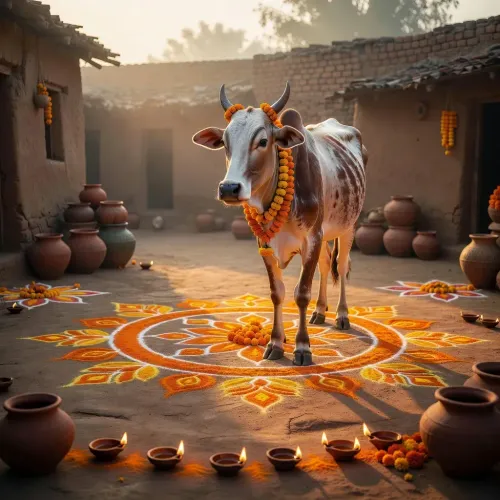
Govardhan Puja falls the day after Diwali and draws on the ancient legend of Lord Krishna lifting the Govardhan hill to shield villagers and their cattle from torrential rains. The festival has long been associated with reverence for cows and gratitude toward those who tend them. The Madhya Pradesh government elevated that observance into a formal state function — Gau-Pujan evam Pashupalak Samman Samaroh — hosted at Ravindra Bhawan, the state's premier cultural auditorium in the heart of Bhopal.
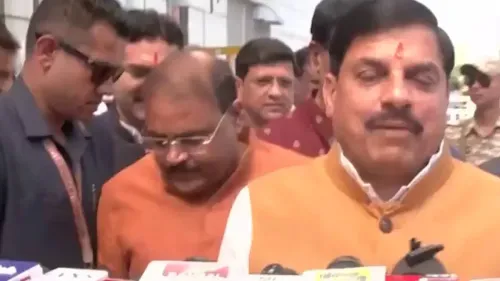
The Chief Minister's Office confirmed CM Yadav's central role in the proceedings, with the ceremony bringing together pashupalaks — livestock keepers and dairy farmers — from across Madhya Pradesh to receive state recognition for their contribution to the rural economy.
Pashupalak Samman: putting rural livelihoods on a public stage
Madhya Pradesh carries one of India's larger cattle populations, and livestock rearing remains a critical income source for millions of rural households. By staging a formal samman samaroh (honour ceremony) during one of Hinduism's most cattle-centric festivals, the state government placed animal husbandry workers in the spotlight — a gesture the BJP-led administration has used in earlier cycles as well.
The practice of holding state-level Gau-Pujan events on Govardhan Puja is not new to Madhya Pradesh; previous administrations have run similar ceremonies, and the current government has continued the tradition under Dr. Mohan Yadav, who took charge as Chief Minister in December 2023.
Ravindra Bhawan as the arena for cultural governance
The choice of Ravindra Bhawan — the state's principal cultural auditorium — signals an intent to frame the event as official statecraft, not merely a religious gathering. BJP-led state governments across India have made a consistent pattern of anchoring major Hindu festival observances in formal government settings, interweaving cultural identity with rural welfare messaging.
What follows in the weeks ahead will matter: any new gaushala funding, dairy cooperative schemes, or livestock insurance extensions announced in the state budget cycle would give the ceremony a concrete policy footprint beyond the symbolism of the day.
Point of View
Still consolidating his leadership after taking charge in late 2023, such high-visibility events serve a dual purpose: reinforcing the party's Hindu cultural identity and signalling attention to MP's vast agrarian constituency. The real test of substance lies downstream — whether today's felicitations translate into gaushala funding, dairy cooperative expansion, or livestock insurance in the upcoming state budget cycle.
NationPress
9 Nov 2026
Frequently Asked Questions
What is Govardhan Puja and why does Madhya Pradesh hold a state ceremony for it?
Govardhan Puja is a Hindu festival observed the day after Diwali, centred on cow worship and linked to the legend of Lord Krishna. Madhya Pradesh holds a state-level Gau-Pujan and livestock farmers' felicitation on this day to honour pashupalaks and highlight the importance of animal husbandry to the state's rural economy.
Who is Dr. Mohan Yadav and what was his role at the Bhopal event?
Dr. Mohan Yadav is the Chief Minister of Madhya Pradesh, representing the BJP, who took office in December 2023. He presided as chief guest at the state-level Gau-Pujan and Pashupalak Samman Samaroh held at Ravindra Bhawan, Bhopal on 9 November 2026.
Where is Ravindra Bhawan in Bhopal and what is its significance?
Ravindra Bhawan is the state government's principal cultural auditorium in Bhopal, regularly used for official government ceremonies and major public functions in Madhya Pradesh.
What is a Pashupalak Samman Samaroh?
A Pashupalak Samman Samaroh is a formal felicitation ceremony organised by the state government to honour livestock keepers and dairy farmers for their contribution to rural livelihoods and the state's animal husbandry sector.
Does Madhya Pradesh organise Gau-Pujan events every year on Govardhan Puja?
Yes, Madhya Pradesh governments have periodically organised state-level Gau-Pujan events on Govardhan Puja. The practice has continued across administrations and is being carried forward under Chief Minister Dr. Mohan Yadav.