Kerala tests petrol in 4 districts for excess ethanol after Karnataka row
Synopsis
Kerala's petrol quality crackdown is a direct fallout of Karnataka's explosive claim of 31% ethanol in fuel samples — a finding the Centre and oil companies have disputed. With six samples now collected across four districts and prosecution on the table, Kerala's lab results could either validate or defuse a national controversy over whether India's ethanol blending programme is being enforced honestly at the pump.
Key Takeaways
Kerala launched petrol inspections in four districts — Thiruvananthapuram , Ernakulam , Kozhikode , and Kannur — on 9 November 2026 .
Six petrol samples were collected from fuel stations in the presence of oil company representatives and will be sent for testing.
The move follows a Karnataka government test that reportedly detected ethanol content of up to 31 per cent in petrol samples.
The Centre and petroleum companies have rejected the Karnataka findings, questioning the scientific method used.
Food and Civil Supplies Minister Anoop Jacob said prosecution proceedings will be initiated if excess ethanol is confirmed in Kerala's samples.
Motorists have reported reduced mileage and vehicle damage linked to higher ethanol blends, raising consumer protection concerns.
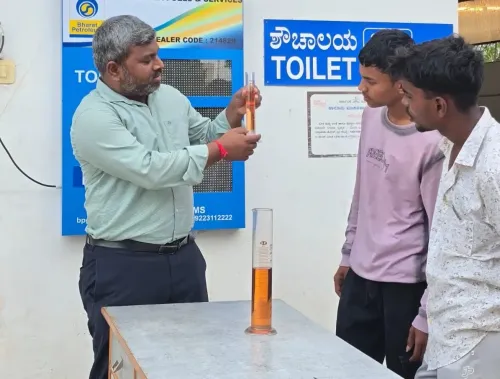
Kerala has launched petrol quality inspections across four districts following a controversy in neighbouring Karnataka, where government tests reportedly detected ethanol content of up to 31 per cent in fuel samples — far above the prescribed blending limit. Samples were collected from fuel stations in Thiruvananthapuram, Ernakulam, Kozhikode, and Kannur on Monday morning, 9 November 2026, in the presence of oil company representatives.
How the Inspections Unfolded
Food and Civil Supplies Minister Anoop Jacob confirmed that six samples were collected during the rounds and will be sent for laboratory testing. He stated that the inspections were ordered to address public concern over fuel quality and were not directed at any particular oil company. Chief Minister V.D. Satheesan had earlier held discussions with Jacob and decided to initiate similar checks in Kerala following the developments in Karnataka.
Jacob was clear that the exercise was fact-finding. 'The inspections are not being conducted with any preconceived conclusions,' he said, adding that the government would initiate prosecution proceedings if excess ethanol content were confirmed.
The Karnataka Controversy That Triggered Action
The Kerala move is a direct consequence of a test conducted by the Karnataka government, which reportedly found ethanol content as high as 31 per cent in petrol samples — a figure that, if accurate, would represent a severe deviation from India's current E20 blending programme, which caps ethanol at 20 per cent. The findings set off a national dispute, with the Centre and major petroleum companies rejecting Karnataka's results and questioning the scientific validity of the testing methodology. That standoff has not been resolved, lending Kerala's independent tests considerable national significance.
What Motorists Are Saying
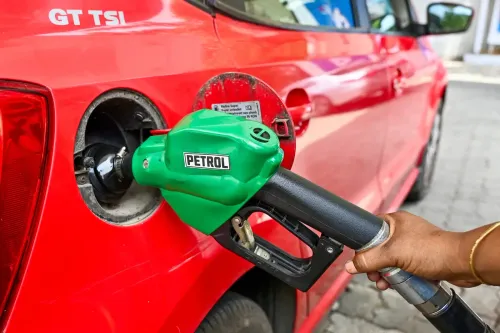
The controversy has amplified longstanding concerns among vehicle owners. Several consumers have reported reduced mileage and alleged mechanical damage to engines and fuel systems after using petrol with higher ethanol blends. While such complaints are difficult to verify without controlled testing, they reflect a wider anxiety about whether fuel sold at pumps consistently meets quality standards set by the Bureau of Indian Standards (BIS).
What Happens Next
Further action in Kerala will be decided once the test results are received. If the samples establish ethanol content beyond the permitted level, the state government has indicated it will approach the court and initiate legal proceedings against those responsible, according to Minister Jacob. Given the Centre's pushback on Karnataka's findings, Kerala's results are expected to be closely scrutinised by regulators, oil companies, and consumer groups alike. The outcome could either reinforce or undercut the national debate over ethanol blending standards and enforcement.
Point of View
Which means Kerala's results will be weaponised regardless of what they show. If the samples come back clean, it hands petroleum companies a vindication. If they flag violations, the state faces the same credibility battle Karnataka is fighting. The deeper issue — that there is no uniform, independent, real-time mechanism to audit ethanol content at the retail pump level — is what neither the Centre nor the states have addressed. Consumer complaints about mileage loss and engine damage deserve a structural answer, not a one-off inspection that may itself be contested.
NationPress
9 Nov 2026
Frequently Asked Questions
Why is Kerala testing petrol samples for ethanol content?
Kerala ordered the tests after Karnataka's government reportedly found ethanol levels as high as 31 per cent in petrol — well above prescribed limits. Food and Civil Supplies Minister Anoop Jacob said the inspections were meant to address public concern about fuel quality and would be followed by prosecution if violations were confirmed.
What did Karnataka find in its petrol tests?
Karnataka's government reportedly detected ethanol content of up to 31 per cent in petrol samples. The findings triggered a national dispute, with the Centre and oil companies rejecting the results and questioning the testing methodology used.
How many samples has Kerala collected and from which districts?
Six petrol samples were collected from fuel stations across four districts — Thiruvananthapuram, Ernakulam, Kozhikode, and Kannur — on 9 November 2026. The samples were taken in the presence of oil company representatives and will be sent for laboratory analysis.
What action will Kerala take if excess ethanol is found?
If the tests confirm ethanol content beyond the permitted level, the Kerala government plans to approach the court and initiate legal proceedings against those responsible, according to Minister Anoop Jacob.
How does this affect vehicle owners?
Several motorists have reported reduced mileage and alleged mechanical damage to engines after using petrol with higher ethanol blends. While individual complaints are hard to verify without controlled testing, the inspections are partly a response to these growing consumer concerns.