CM Mohan Yadav: MP Blends Development With Sanatan Heritage

Synopsis
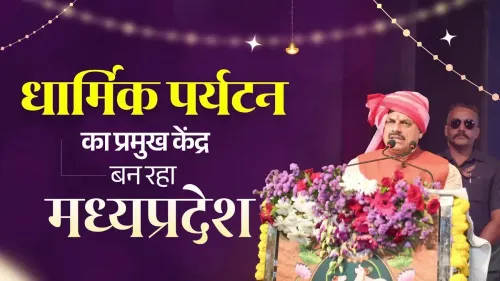
Chief Minister Mohan Yadav of Madhya Pradesh has praised PM Modi's leadership in transforming India's major pilgrimage sites, highlighting Ujjain's Mahakal Lok corridor as a symbol of historic change and signalling continued cultural and infrastructure investment ahead of the 2028 Simhastha Kumbh Mela.
Key Takeaways
CM Mohan Yadav credited PM Narendra Modi with leading a nationwide revival of religious tourism infrastructure.
The Kashi Vishwanath Corridor (inaugurated December 2021 ) and the Mahakal Lok Corridor in Ujjain (inaugurated October 2022 ) are cited as landmark projects.
Mahakaleshwar Temple in Ujjain is one of only twelve Jyotirlingas in India, making it one of Hinduism's most significant pilgrimage sites.
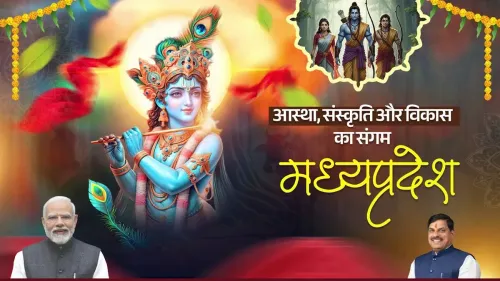
CM Yadav emphasised that government and society in Madhya Pradesh are jointly working to celebrate Sanatan culture and traditional festivals.
Ujjain is set to host the Simhastha Kumbh Mela in 2028 , and corridor infrastructure is expected to form the backbone of those preparations.
The broader national pattern includes similar redevelopment projects at Ayodhya and Kedarnath , linking cultural promotion with economic gains from pilgrim footfall.
From the ghats of Varanasi to the spires of Ujjain, India's most storied pilgrimage cities are being reborn — and Chief Minister Mohan Yadav wants the country to notice. On Tuesday, 10 November 2026, the Chief Minister's Office of Madhya Pradesh posted a statement from CM Yadav celebrating the transformation of religious tourism sites under the leadership of Prime Minister Narendra Modi, spotlighting Ujjain's Mahakal Nagar as the latest landmark of that change.
The Corridor Story: From Kashi to Mahakal Lok
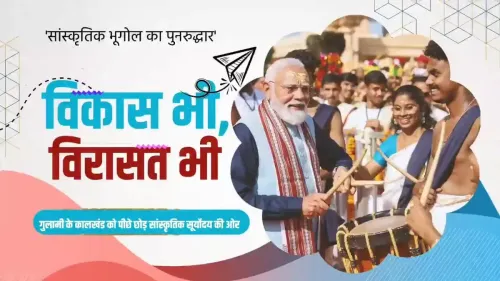
The statement draws a direct line between two flagship projects. The Kashi Vishwanath Corridor in Varanasi — inaugurated in December 2021 — set the template: widen access, restore heritage, and dramatically improve the experience for millions of pilgrims. The government then applied the same logic to Ujjain, one of Hinduism's seven sacred cities and home to the Mahakaleshwar Jyotirlinga, one of only twelve such shrines in the country.
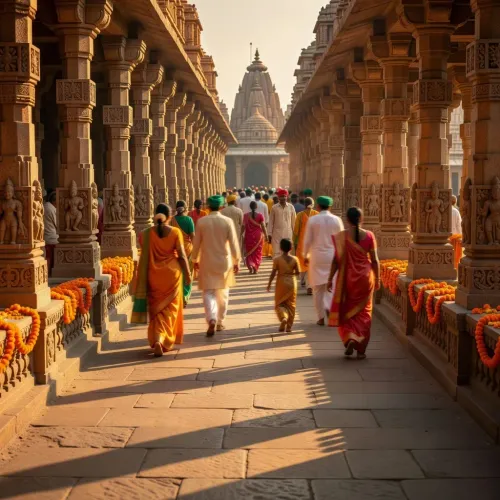
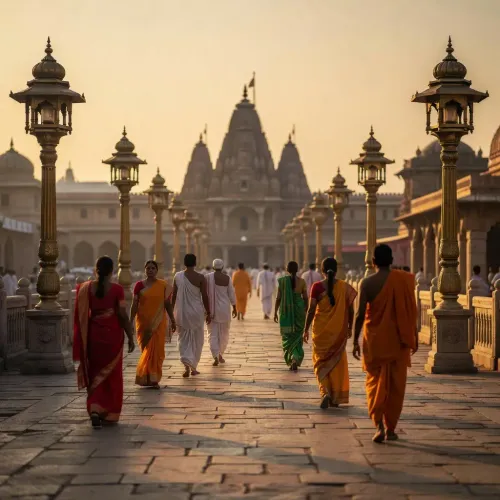
The Mahakal Lok corridor, inaugurated in October 2022, modernised the temple precinct, widened approach paths, and added pilgrim amenities — a physical transformation CM Yadav describes as 'aitihāsik badlāv' ('a historic change'). Both projects are part of a broader national pattern of redeveloping prominent Hindu pilgrimage centres that also includes Ayodhya and Kedarnath.
Sanatan Culture as a Governance Priority in Madhya Pradesh
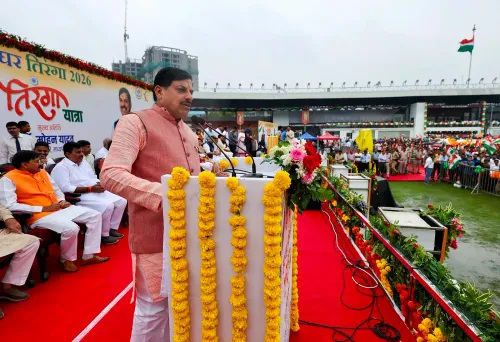
CM Yadav, who took office in December 2023, has consistently framed cultural preservation alongside infrastructure as twin pillars of his administration. His statement on Tuesday goes a step further — asserting that 'government and society are working together' to celebrate Sanatan culture and traditional festivals with grandeur in Madhya Pradesh. That framing positions the state not merely as a recipient of central funding but as an active co-author of the religious-tourism revival.
Ujjain's significance extends beyond the daily ritual. The city will host the Simhastha Kumbh Mela in 2028, drawing tens of millions of devotees from across the world. Infrastructure built or upgraded through the Mahakal Lok project is expected to anchor the state's preparations for that event — making the CM's remarks as much a forward-looking signal as a celebration of work already done.
A National Pattern, a Local Dividend
Since 2014, central and state governments have treated physical redevelopment of pilgrimage centres as both a cultural mission and an economic lever. Greater footfall means more livelihoods — for priests, vendors, hoteliers, and transport workers — and Ujjain's economy is deeply intertwined with the Mahakaleshwar temple's draw. The corridor upgrades directly amplify that dividend.
What the government calls 'dhārmik paryatan sthalonkā kāyākalp' — 'a metamorphosis of religious tourism sites' — is, in effect, a rebranding of state capacity: the idea that heritage and modernity can be engineered to coexist. With the 2028 Simhastha Kumbh on the horizon, Madhya Pradesh's next test of that idea is already being scheduled.
Point of View
He aligns Madhya Pradesh's brand with the BJP's broader 'temple renaissance' narrative, reinforcing party credentials with a devout voter base. The forward reference to the 2028 Simhastha Kumbh is equally deliberate: it sets an expectation of continued investment while positioning Ujjain as a global-scale event destination. The framing of 'government and society working together' also subtly deflects purely top-down optics, suggesting a participatory cultural mission rather than a state-imposed agenda.
NationPress
10 Nov 2026
Frequently Asked Questions
What is the Mahakal Lok corridor in Ujjain?
The Mahakal Lok corridor is a major redevelopment project around the Mahakaleshwar Jyotirlinga temple in Ujjain, Madhya Pradesh , inaugurated in October 2022 . It expanded the temple precinct, improved pilgrim walkways, and added modern amenities to one of Hinduism's holiest sites.
What did CM Mohan Yadav say about religious tourism in Madhya Pradesh?
CM Mohan Yadav said that under PM Narendra Modi's leadership, India's religious pilgrimage sites have been transformed, citing Ujjain's Mahakal Nagar as an example of 'historic change,' and noted that the government and society in Madhya Pradesh are working together to celebrate Sanatan culture with grandeur.
When is the next Simhastha Kumbh Mela in Ujjain?
The next Simhastha Kumbh Mela in Ujjain is scheduled for 2028 . It is one of the largest religious gatherings in the world, drawing tens of millions of devotees to the banks of the Shipra River.
What is the Kashi Vishwanath Corridor?
The Kashi Vishwanath Corridor is a redeveloped temple complex in Varanasi , inaugurated in December 2021 under the central government. It expanded access to the Kashi Vishwanath temple and is widely seen as the model for subsequent pilgrimage-site upgrades, including the Mahakal Lok project.
Who is Mohan Yadav and when did he become CM of Madhya Pradesh?
Mohan Yadav is the Chief Minister of Madhya Pradesh , having assumed office in December 2023 . He has consistently promoted both infrastructure development and the preservation of Sanatan culture as central planks of his administration.