CM Mohan Yadav Orders Tourism-Skill Link for MP Youth Jobs
Synopsis
Madhya Pradesh CM Dr. Mohan Yadav reviewed the Skill Development Department on 23 June 2026, ordering tourism and horticulture linkages for youth employment. Key figures include 18,403 placements, 49,402 ITI admissions, and training for 2,127 tribal women via UN Women.
Key Takeaways
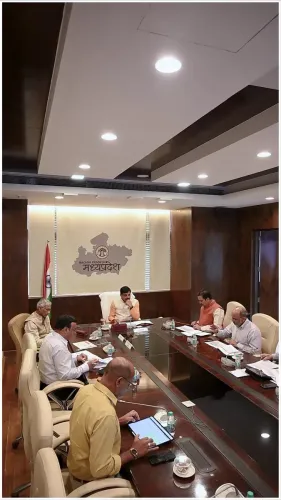
Mohan Yadav chaired a Skill Development and Employment Department review at the Mantralaya on 23 June 2026 .
Officials were directed to develop industry-aligned courses and prioritise training in food production, tourist guiding, and sericulture .
The ITI Chalo Abhiyan recorded its highest-ever enrolment of 49,402 admissions to date.
Placement drives over the past two years secured employment for 18,403 trainees ; 490 Divyang persons received institutional admissions in 2025.
UN Women partnered with the state to train 2,127 women across 12 tribal-majority districts .
The Sant Shiromani Ravidas Global Skill Park is running 9 long-term modern courses including robotics and mechatronics.
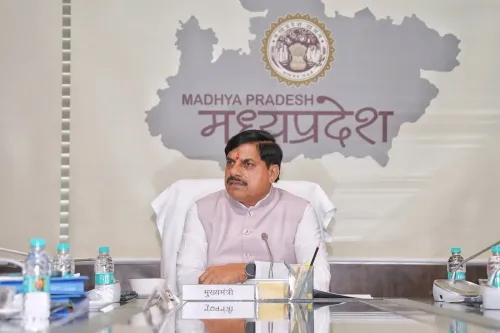
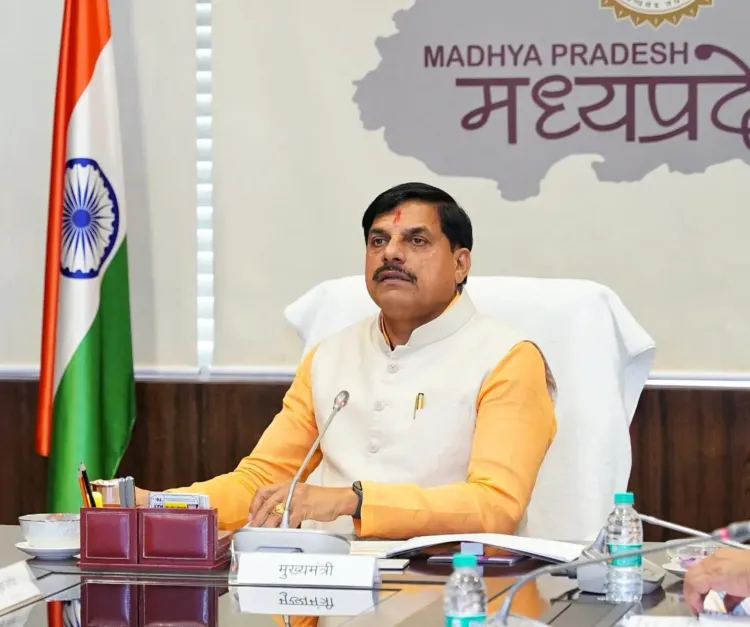
Madhya Pradesh Chief Minister Dr. Mohan Yadav on Tuesday, 23 June 2026 chaired a review of the state's Skill Development and Employment Department at the Mantralaya, directing officials to coordinate with the Tourism and Horticulture departments to create demand-driven employment for the state's youth.
Context
In the review meeting, Dr. Yadav instructed that courses and trades be developed in line with industry requirements. He specifically called for priority to be given to training in food and beverage production and tourist guide services — sectors with direct linkage to Madhya Pradesh's expanding tourism economy. The Chief Minister also directed that youth be connected with sericulture, including mulberry cultivation, through the Horticulture Department.
The meeting highlighted that small and cottage industries must be more actively integrated into the skill ecosystem. Officials were also asked to prepare a comprehensive departmental report on all skill development and employment activities.
Policy Backdrop
The directives build on both state and central frameworks. The National Skill Development Mission and the Pradhan Mantri Kaushal Vikas Yojana, both launched in 2015, created the scaffolding for state-level skill initiatives to align with sector-specific employment demand. Madhya Pradesh has since layered its own schemes on top of this foundation.
The ITI Chalo Abhiyan, the state's campaign to boost enrolment in Industrial Training Institutes, recorded its highest-ever intake with 49,402 admissions so far. The Yuva Sangam programme has extended benefits to 3.25 lakh applicants. At the Sant Shiromani Ravidas Global Skill Park, nine long-term modern courses — including robotics, mechatronics, and automobile trades — are currently operational.
In 2025, 490 persons with disabilities (Divyang) received institutional admissions under the skill programme. Over the past two years, placement drives have resulted in employment for 18,403 trainees. In collaboration with UN Women, 2,127 women from 12 tribal-majority districts have received vocational training.
Stakeholders and Impact
The beneficiary groups span several of the state's most vulnerable populations: tribal women, persons with disabilities, rural youth, and aspirants in the unorganised sector. The UN Women partnership signals an international dimension to the state's inclusion agenda, targeting districts where women's workforce participation has historically lagged.
Cottage and small industries stand to gain a more structured pipeline of trained workers, while the tourism sector — a key revenue driver for Madhya Pradesh — could benefit from a dedicated cohort of trained guides and hospitality workers. The sericulture and mulberry cultivation push connects rural youth to an agricultural value chain with export potential.
What's Next
Officials have been asked to prepare a holistic departmental report on all skill and employment activities, which will likely shape the next round of budget allocations and programme design. New industry-aligned courses and a structured guide-training programme in coordination with the Tourism Department are expected to be rolled out in the coming months.
The broader pattern across Indian states — combining modern trades such as robotics with traditional livelihoods such as sericulture — suggests that Madhya Pradesh is positioning its workforce for both industrial and rural employment markets simultaneously. Whether inter-departmental coordination translates into measurable placement outcomes will be the key test.
Point of View
Not just aggregate placement numbers. Whether the promised comprehensive departmental report leads to structural reform or remains a bureaucratic exercise will determine the real impact of these directives.
NationPress
24 Jun 2026
Frequently Asked Questions
What did CM Mohan Yadav announce for skill development in Madhya Pradesh?
CM Dr. Mohan Yadav directed the Skill Development and Employment Department to coordinate with Tourism and Horticulture departments to create demand-driven employment for youth, prioritising guide training, food production, sericulture, and small industries.
How many youth got jobs through MP placement drives?
Over the past two years, placement drives in Madhya Pradesh secured employment for 18,403 trainees under the Skill Development and Employment Department.
What is ITI Chalo Abhiyan and what is its latest record?
ITI Chalo Abhiyan is a Madhya Pradesh state campaign to increase enrolment in Industrial Training Institutes. It has recorded its highest-ever intake of 49,402 admissions so far.
What is the Sant Shiromani Ravidas Global Skill Park?
The Sant Shiromani Ravidas Global Skill Park is a Madhya Pradesh skill training facility currently running nine long-term modern courses, including robotics, mechatronics, and automobile trades.
How is UN Women involved in Madhya Pradesh skill training?
UN Women has partnered with the Madhya Pradesh government to provide vocational training to 2,127 women across 12 tribal-majority districts in the state.