CM Mohan Yadav Prays at Chitrakoot's Kamatanath Temple on Diwali
Synopsis
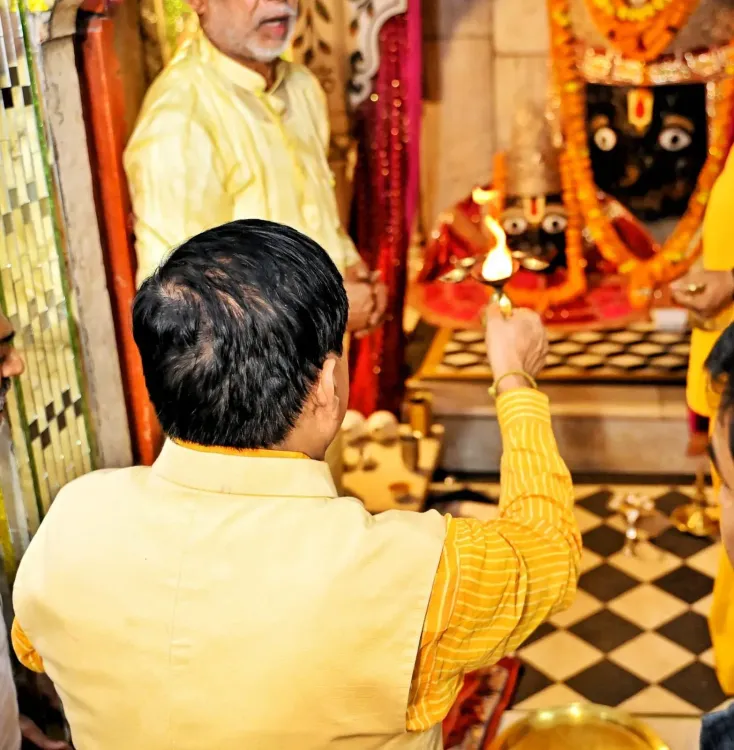
On Diwali 2026, Madhya Pradesh CM Dr. Mohan Yadav offered prayers at the ancient Mukharvind Temple of Bhagwan Shri Kamatanath Swami in Chitrakoot, seeking state prosperity and welfare, and greeted pilgrims gathered at the sacred site.
Key Takeaways
Madhya Pradesh Chief Minister Dr.
Mohan Yadav visited the Mukharvind Temple of Bhagwan Shri Kamatanath Swami in Chitrakoot on 7 November 2026 .
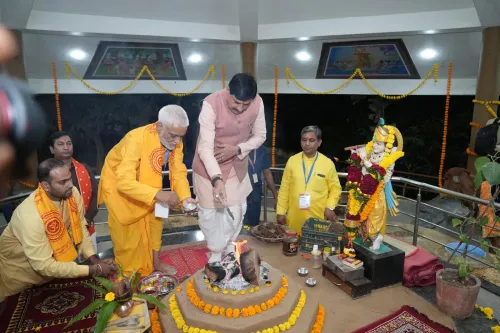
He performed darshan and pooja-archana at the ancient temple, praying for the happiness, prosperity and welfare of Madhya Pradesh's people.
Chitrakoot is a Ramayana-linked pilgrimage town and one of the most spiritually significant sites in Madhya Pradesh.
The Kamatanath Swami form of Lord Rama enshrined at the Mukharvind Temple is believed to absolve devotees of sins across four ages, according to the devotional couplet shared by the CM.
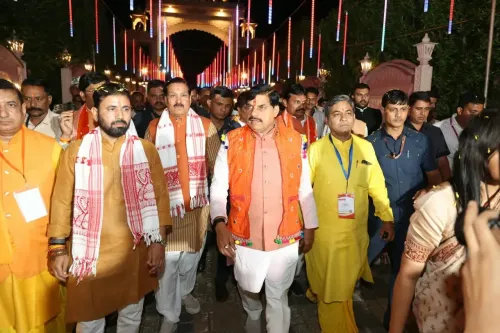
Yadav met devotees at the site and extended personal Diwali greetings, combining religious observance with public outreach.
At the ancient Mukharvind Temple of Bhagwan Shri Kamatanath Swami in Chitrakoot, Madhya Pradesh Chief Minister Dr. Mohan Yadav offered prayers on Saturday, 7 November 2026, seeking prosperity and welfare for the people of the state during the ongoing Diwali celebrations.
The Chief Minister opened his post with a devotional couplet: 'Chitrakoot chinta haran aaye surabhi ke chain. Paap katai yug char ke dekh Kamta nain.' — invoking Chitrakoot as the place that dissolves all worry, where even the gaze of Kamatanath is said to wash away sins across four ages. It is the kind of verse that sets the tone before a word of politics is spoken.
A Pilgrimage Town Rooted in the Ramayana
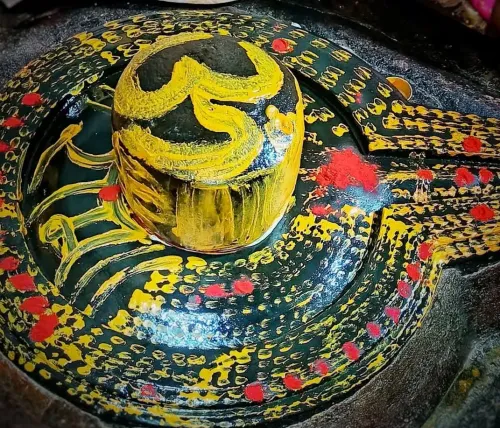
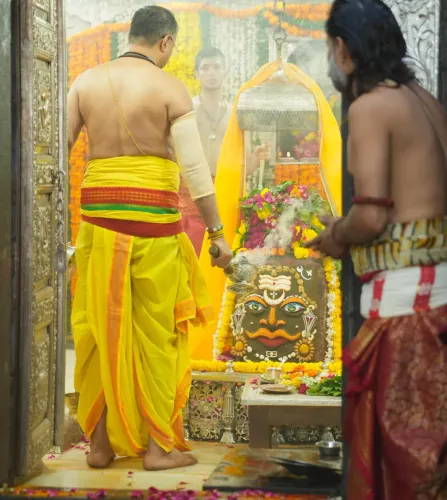
Chitrakoot is one of the most spiritually charged towns in Madhya Pradesh, intimately tied to the Ramayana — tradition holds that Lord Rama spent a significant portion of his fourteen-year exile in these forests and hills. The Mukharvind Temple enshrines the divine countenance of Bhagwan Shri Kamatanath Swami, a revered form of Lord Rama, and draws a steady stream of pilgrims year-round, with footfall rising sharply during festivals.
Dr. Yadav performed darshan and pooja-archana at the temple, praying for 'Pradesh ki sukh-samridhi aur jankalyan' — the happiness, prosperity and welfare of the state's people. He also met devotees gathered at the site and extended Diwali greetings to them in person.
Festivals as a Bridge Between Governance and Public Life
Visits by state chief ministers to major religious sites during Diwali are a well-established part of Indian political culture — they blend personal observance with visible public engagement. For Dr. Yadav, Chitrakoot carries particular symbolic weight: a site of endurance and devotion, now framed as a destination for the state's highest elected leader to channel prayers for his constituents.
Meeting pilgrims at a sacred site during India's most widely celebrated festival is as much an act of governance as it is of faith — a reminder that for many voters, a leader seen at a temple on Diwali is a leader seen.
Point of View
Not merely administrative, terms. Watch whether this visit is followed by any state-level announcements on cultural infrastructure or pilgrimage development at Chitrakoot.
NationPress
7 Nov 2026
Frequently Asked Questions
Why did CM Mohan Yadav visit Chitrakoot on Diwali 2026?
CM Dr. Mohan Yadav visited Chitrakoot to offer prayers at the ancient Mukharvind Temple of Bhagwan Shri Kamatanath Swami during Diwali, seeking prosperity and welfare for Madhya Pradesh, and to meet devotees gathered at the site.
What is the Mukharvind Temple in Chitrakoot?
The Mukharvind Temple in Chitrakoot is an ancient temple housing the divine countenance of Bhagwan Shri Kamatanath Swami, a revered form of Lord Rama. It is one of the most sacred sites in Madhya Pradesh and draws pilgrims year-round.
What is the religious significance of Chitrakoot?
Chitrakoot is deeply linked to the Ramayana — tradition holds that Lord Rama spent a significant part of his fourteen-year exile there. It is considered one of the most spiritually significant pilgrimage towns in Madhya Pradesh.
What did CM Mohan Yadav pray for at Chitrakoot?
He prayed for the happiness, prosperity and welfare — 'sukh-samridhi aur jankalyan' — of Madhya Pradesh's people, as stated in his post on the visit.
Who is Kamatanath Swami worshipped in Chitrakoot?
Kamatanath Swami is a deity form of Lord Rama worshipped at the Mukharvind Temple in Chitrakoot. The name 'Kamatanath' reflects Lord Rama's role as the fulfiller of devotees' wishes and is central to the town's religious identity.