CM Mohan Yadav Sends Ministers to Visit Injured at Gwalior Temple Accident
Synopsis
Chief Minister Dr. Mohan Yadav dispatched two cabinet ministers and an MP to a Gwalior hospital after an accident near the Sheetla Mata Temple left devotees injured. The ministers met the wounded and consulted doctors, acting on direct instructions from the Chief Minister's office.
Key Takeaways
Mohan Yadav issued direct instructions for ministers to visit the injured after an accident near Gwalior's Sheetla Mata Temple on 18 October 2026 .
Farmer Welfare Minister Aidal Singh Kanjee , Energy Minister Rakesh Shukla , and MP Bharat Singh personally visited the hospital and spoke with injured devotees.
The visiting representatives also consulted treating doctors to assess the medical situation and ongoing care.
The cause, scale and casualty count of the accident have not yet been officially confirmed by the state government.
Official announcements on compensation or enhanced safety measures at the site are still awaited.
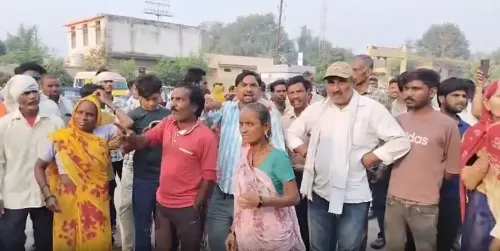
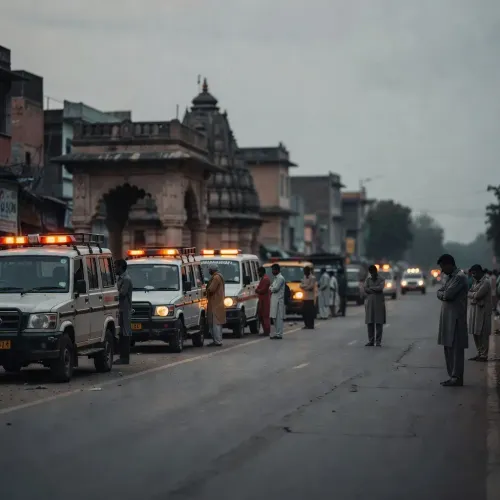
An accident near Gwalior's Sheetla Mata Temple drew an immediate government response on Sunday, 18 October 2026, as Chief Minister Dr. Mohan Yadav dispatched senior ministers to the hospital to check on injured devotees — a signal that the state is treating the incident as a matter of urgent public concern.
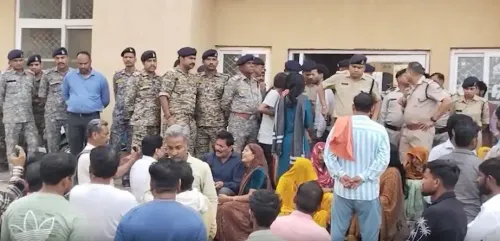
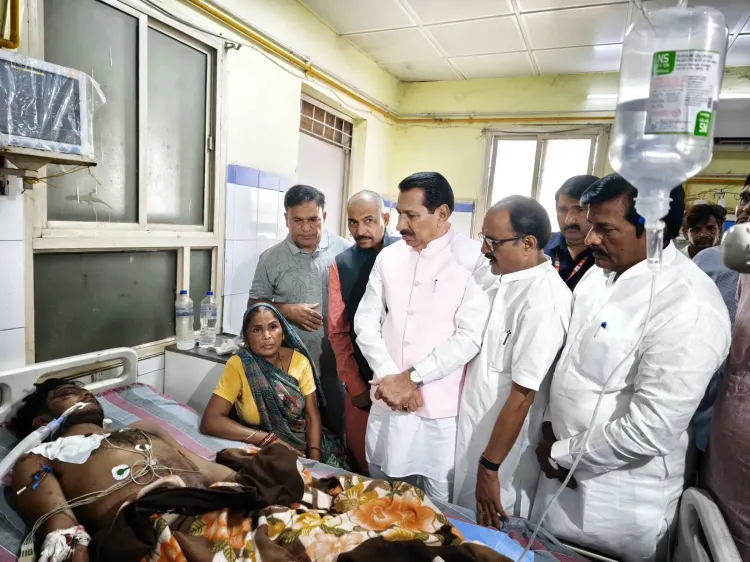
On the Chief Minister's instructions, Farmer Welfare and Agricultural Development Minister Aidal Singh Kanjee, New and Renewable Energy Minister Rakesh Shukla, and Member of Parliament Bharat Singh visited the hospital where the injured pilgrims are admitted. The three representatives spoke directly with the wounded devotees, inquiring about their condition, and separately consulted the treating doctors to get a detailed update on ongoing medical care.
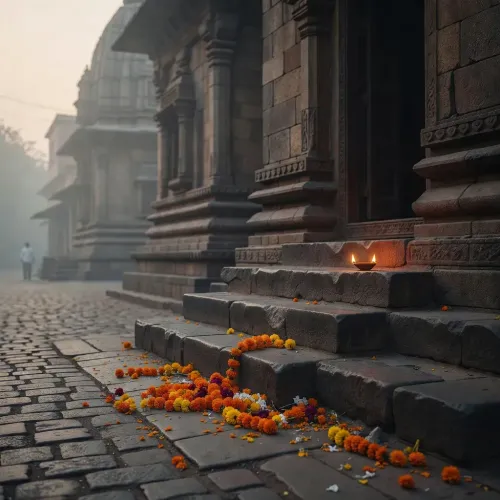
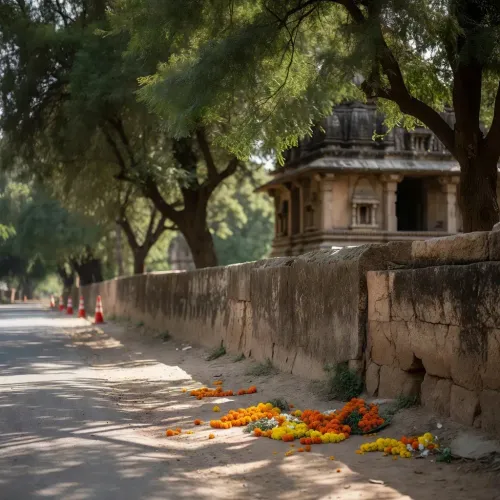
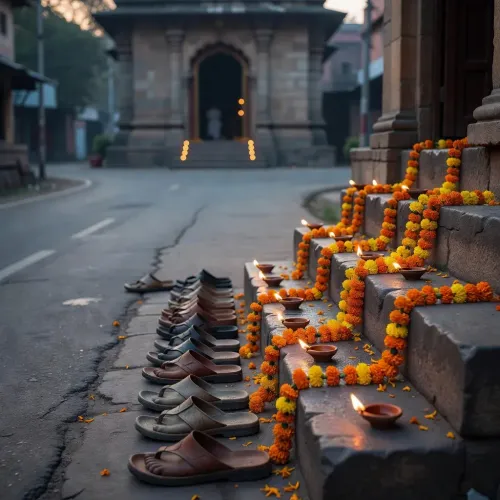
Sheetla Mata Temple — a crowded faith corridor in Gwalior
Gwalior, a major city in northern Madhya Pradesh famed for its ancient fort and religious sites, attracts large gatherings of devotees at its temples, particularly during auspicious seasons. Sheetla Mata shrines across India see dense footfalls, making crowd and safety management a recurring challenge for local administrations. The precise cause and scale of this accident have not yet been officially disclosed.
Why ministers, not officials, were sent
The decision to dispatch elected ministers rather than bureaucrats carries a deliberate political and administrative signal. Across Indian states, this protocol — senior representatives visiting hospitals after public incidents — is meant to demonstrate that the government is watching, that the injured are not forgotten, and that medical resources will not be withheld. It also allows ministers to relay first-hand information directly back to the Chief Minister, short-circuiting the delay of official reports.
As details on the cause of the accident, the number of those injured, and any state compensation or safety measures are awaited, the government's on-ground presence at the hospital marks the opening move in what is likely to be a larger accountability conversation about public safety at crowded religious sites.
Point of View
Who took office in December 2023, visible responsiveness to local tragedies helps project a 'government that listens' image crucial to retaining public trust in Madhya Pradesh's urban constituencies. The episode also quietly spotlights the perennial gap in crowd-safety infrastructure at high-footfall religious sites — a gap that recurs at temples, ghats and fairs across India and rarely translates into lasting structural reform after the media cycle moves on.
NationPress
18 Oct 2026
Frequently Asked Questions
What happened near Sheetla Mata Temple in Gwalior?
An accident occurred near the Sheetla Mata Temple in Gwalior, leaving devotees injured and hospitalised. The precise cause and scale of the incident have not yet been officially confirmed by the Madhya Pradesh government.
What did CM Mohan Yadav do after the Gwalior temple accident?
Chief Minister Dr. Mohan Yadav directed cabinet ministers and a Member of Parliament to visit injured devotees at the hospital, and to consult doctors about their treatment and condition.
Which ministers visited the Gwalior hospital after the temple accident?
Farmer Welfare and Agricultural Development Minister Aidal Singh Kanjee, New and Renewable Energy Minister Rakesh Shukla, and MP Bharat Singh visited the hospital on the Chief Minister's instructions.
Is Sheetla Mata Temple in Gwalior a major religious site?
Yes, Gwalior is a historically significant city in northern Madhya Pradesh with several important temples. Sheetla Mata shrines attract large numbers of devotees, particularly during auspicious periods.
Will the Madhya Pradesh government announce compensation for accident victims?
As of 18 October 2026, no official announcement on compensation or safety measures has been made. The government's response is ongoing, with official statements expected as details emerge.