CM Mohan Yadav Thanks Patwaris, Tehsildars for Free Services Drive
Synopsis
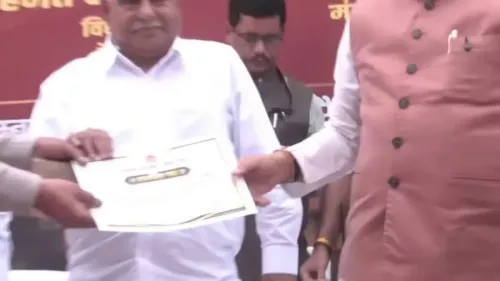
MP Chief Minister Dr. Mohan Yadav publicly thanked patwaris, tehsildars, and revenue staff on 6 November 2026 for their dutiful completion of a state campaign that delivered free administrative services to citizens.
Key Takeaways
Mohan Yadav posted congratulations to patwaris, tehsildars , and all associated officials on 6 November 2026 .
The acknowledgment recognises the successful completion of a free-services campaign in Madhya Pradesh .
Patwaris and tehsildars form the backbone of the state's revenue administration, maintaining land records and issuing key citizen certificates.
Free-services drives waive charges on routine documents, reducing citizen burden and corruption risk at the last mile of government.
The specific campaign's district coverage and beneficiary numbers are yet to be released officially.
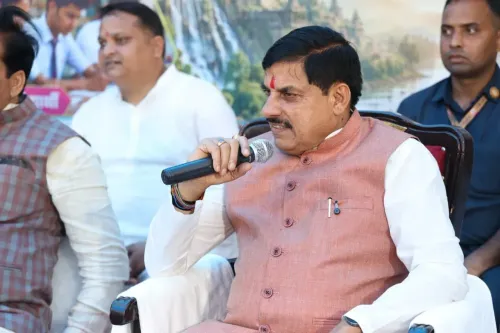
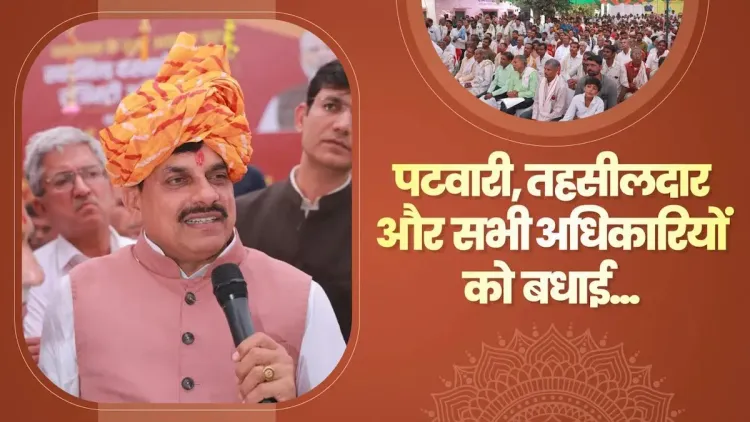
When a government campaign reaches citizens without charging a rupee, the people who make it happen are the ones standing in the field — and Madhya Pradesh Chief Minister Dr. Mohan Yadav made sure they heard it on Friday, 6 November 2026. In a post on X, the Chief Minister extended his congratulations to patwaris, tehsildars, and every officer and employee whose dedication drove a free-services campaign to successful completion.
Posting in Hindi, Dr. Yadav wrote: 'पटवारी, तहसीलदार सहित उन सभी अधिकारियों-कर्मचारियों को भी बधाई, जिन्होंने अपनी कर्तव्यनिष्ठा से इस अभियान को सफलतापूर्वक संपन्न कराया और निःशुल्क सेवाएं प्रदान कीं।' — 'Congratulations to patwaris, tehsildars, and all those officers and employees who, through their sense of duty, successfully completed this campaign and provided free services.'Who patwaris and tehsildars are — and why they matter
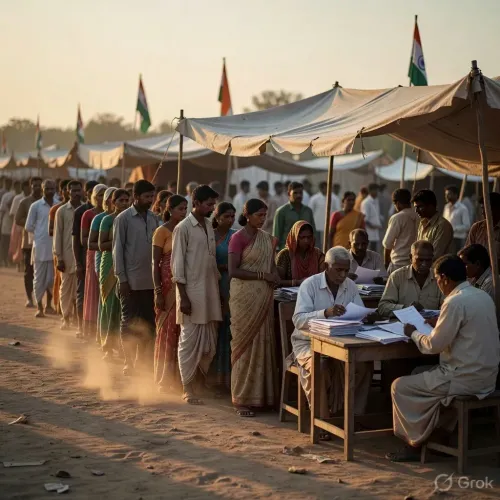
In Madhya Pradesh — as across most Indian states — the revenue administration is a pyramid, and patwaris sit at its base. They maintain land records, process mutations, and issue certificates of residence, caste, and income that millions of citizens depend on for accessing welfare schemes and legal rights. Tehsildars are a rung above, overseeing clusters of villages and signing off on the records their patwaris compile.
These officials are, in effect, the government's last mile. For a large section of the population — particularly in rural and semi-urban areas — a patwari's office is the first and only face of the state they ever encounter. When that office runs a free-services drive, the relief is immediate and tangible: no informal payments, no trips to distant district headquarters, no delays for want of a small fee.
Free-services campaigns as a governance tool in MP
Chief ministers across India periodically launch time-bound campaigns that waive charges on routine administrative services — land record copies, income certificates, domicile certificates — and deploy revenue staff in camps closer to citizens. The idea is to clear backlogs, reduce corruption risk, and make government more accessible in one concentrated push.
Dr. Yadav's acknowledgment signals that one such campaign has concluded in Madhya Pradesh, and that the state leadership views field-level accountability as worth celebrating publicly. Naming patwaris and tehsildars specifically — rather than issuing a generic departmental thank-you — is a deliberate choice: it makes visible the work that usually goes unnoticed, and it sends a signal to the bureaucracy about the values the government expects to reward.
The specific campaign, its district coverage, and total beneficiary count have not yet been detailed in an official release — figures that, when available, will tell the fuller story of how wide this drive actually reached.
Point of View
High-visibility signal to the bureaucracy that performance will be recognised publicly, which can be a meaningful motivator in a cadre accustomed to accountability flowing only downward. The real test of the campaign's impact will come with the official release of beneficiary data.
NationPress
6 Nov 2026
Frequently Asked Questions
What campaign did CM Mohan Yadav congratulate officials for in MP?
CM Dr. Mohan Yadav congratulated patwaris, tehsildars, and revenue staff for successfully completing a free-services campaign in Madhya Pradesh, through which citizens received administrative services at no charge.
What do patwaris and tehsildars do in Madhya Pradesh?
Patwaris maintain village-level land records and issue certificates of residence, caste, and income. Tehsildars oversee clusters of villages, verify those records, and serve as the next level of the state revenue administration.
What is a free-services campaign by a state government?
A free-services campaign is a time-bound government drive that waives all charges on routine administrative documents — such as land record copies or income certificates — and deploys revenue officials in accessible camps to serve citizens directly.
Why did Mohan Yadav specifically name patwaris and tehsildars?
By naming these field-level officials specifically, the Chief Minister publicly recognised the people closest to citizens in the revenue chain — a deliberate move to acknowledge grassroots effort and reinforce a culture of duty-driven service.
How many people benefited from the MP free-services campaign?
The specific beneficiary count and district coverage of the campaign have not yet been released in an official communication as of 6 November 2026.