CM Mohan Yadav to disburse Ladli Behna 39th instalment from Maihar
Synopsis
Madhya Pradesh CM Dr. Mohan Yadav will disburse the 39th instalment of the Ladli Behna Yojana from Maihar on 19 August 2026, with an extra ₹250 Rakshabandhan bonus for eligible women, alongside inaugurations and foundation-stone layings of development projects.
Key Takeaways
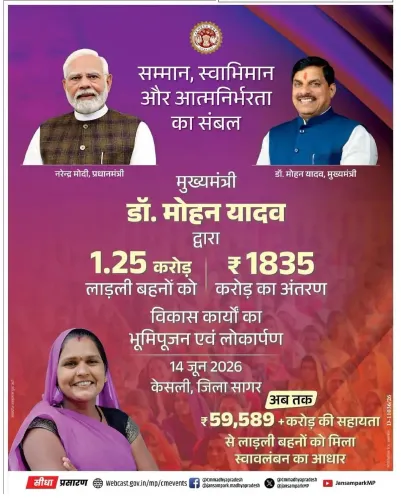
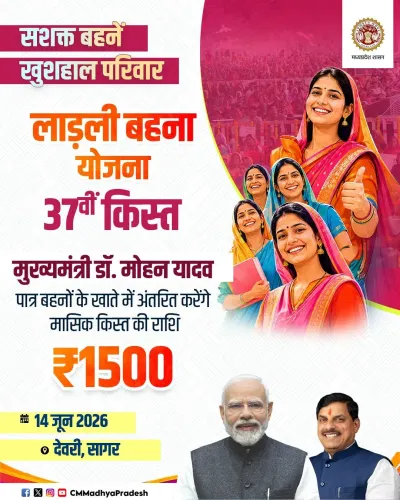
Mohan Yadav will transfer the 39th monthly instalment of Ladli Behna Yojana from Maihar, Satna district on 19 August 2026 .
An additional ₹250 will be credited as a Rakshabandhan shagun alongside the regular monthly amount.
The scheme provides eligible women aged 21–60 from families earning under ₹2.5 lakh annually a monthly transfer of ₹1,000 .
Ladli Behna Yojana was originally launched on 28 January 2023 by then CM Shivraj Singh Chouhan and continued by Dr.
Yadav after he took office in December 2023 .
The Maihar event will also include lokarpan and bhoomi pujan of multiple development projects.
Madhya Pradesh has a consistent pattern of aligning welfare disbursals with major festivals to maximise community reach.
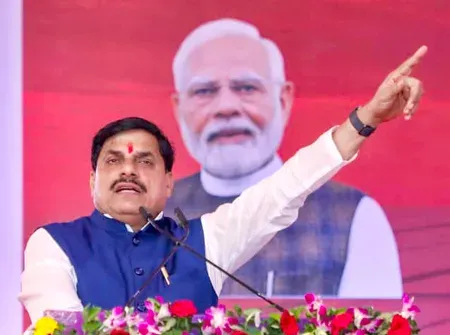
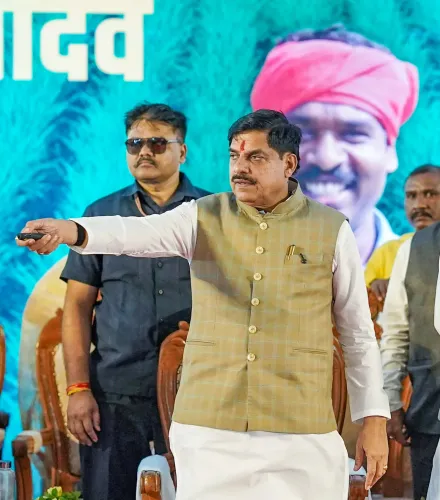
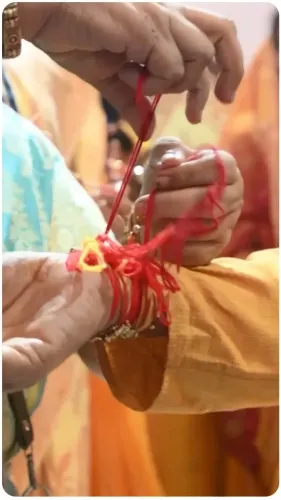
A Rakshabandhan bonus and a welfare cheque arrive together this Wednesday, 19 August 2026 — Madhya Pradesh Chief Minister Dr. Mohan Yadav has announced he will personally transfer the 39th monthly instalment of the Ladli Behna Yojana (Ladli Behna Scheme) directly into the bank accounts of eligible women, with an extra ₹250 added as a festive shagun (auspicious gift) ahead of Rakshabandhan. The event is set in Maihar, the temple town in Satna district, Madhya Pradesh.
What the 39th instalment means for MP's women
The Ladli Behna Yojana was launched on 28 January 2023 by then Chief Minister Shivraj Singh Chouhan, targeting women aged 21 to 60 from families earning under ₹2.5 lakh annually with a monthly direct bank transfer of ₹1,000. Dr. Yadav, who took office in December 2023, has continued and built on the scheme, using high-visibility disbursement events to keep the programme in public focus. This month's payout carries an additional ₹250 — a deliberate alignment with the Rakshabandhan festival that the state government has used before to amplify the scheme's reach and emotional resonance.
Maihar as the stage — and the development agenda alongside it
Beyond the cash transfer, Dr. Yadav has announced lokarpan (public inauguration) and bhoomi pujan (foundation-stone laying) of multiple development projects at the Maihar event. Maihar, home to the revered Sharda Devi temple, is a symbolically weighted choice — combining a welfare milestone with infrastructure launches in a single public programme. The bundling of scheme disbursals with local development events is a well-established template in Madhya Pradesh's welfare delivery calendar.
Rakshabandhan timing and the politics of festival payouts
Madhya Pradesh has a documented pattern of scheduling welfare disbursals around major festivals — Rakshabandhan, Diwali, and others — to maximise both administrative visibility and community impact. The ₹250 shagun sits squarely in that tradition. For beneficiary women, it translates to a concrete, timed benefit; for the government, it anchors a welfare programme to a cultural moment that resonates deeply across the state's rural and semi-urban households. Whether the base monthly amount of ₹1,000 will be revised upward remains the question that beneficiaries and policy watchers are tracking most closely.
Point of View
And Dr. Yadav's continuity of the scheme signals that it has transcended its origins as a Chouhan-era initiative to become a durable state commitment. Tying the Rakshabandhan bonus to the regular instalment is a textbook example of festival-linked welfare politics — it converts a routine administrative transfer into a visible, emotionally resonant gesture. The choice of Maihar, a town with strong religious significance, as the disbursement venue further layers the event with symbolic weight. The unresolved question of whether the ₹1,000 base amount will be revised upward will define the scheme's next political chapter.
NationPress
19 Aug 2026
Frequently Asked Questions
What is the Ladli Behna Yojana and who is eligible?
Ladli Behna Yojana is a Madhya Pradesh government scheme that provides monthly direct cash transfers of ₹1,000 to eligible women aged 21 to 60 from families with annual income below ₹2.5 lakh. It was launched on 28 January 2023.
When will the 39th instalment of Ladli Behna Yojana be transferred?
CM Dr. Mohan Yadav announced the 39th instalment will be transferred on 19 August 2026 at an event in Maihar, Madhya Pradesh.
What is the Rakshabandhan bonus under Ladli Behna Yojana in 2026?
An additional ₹250 will be credited to eligible women's accounts as a Rakshabandhan shagun (auspicious gift) alongside the regular monthly instalment in August 2026.
Why is the Ladli Behna event being held in Maihar?
Maihar is a town in Satna district known for the Sharda Devi temple. The state government has chosen it as the venue for the disbursement event, which will also include inaugurations and foundation-stone layings of development projects.
Who started the Ladli Behna Yojana in Madhya Pradesh?
The scheme was launched by then Chief Minister Shivraj Singh Chouhan on 28 January 2023. Current CM Dr. Mohan Yadav, who took office in December 2023, has continued and expanded the programme.