CM Naidu Performs Mahalaya Amavasya Rituals for Ancestors
Synopsis
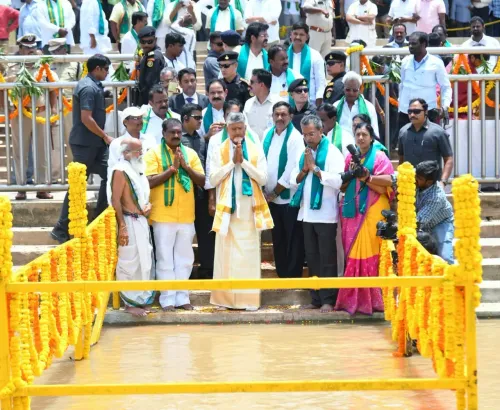
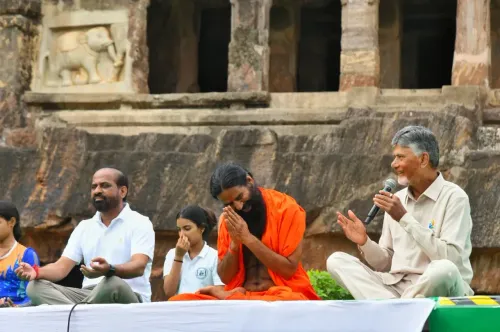
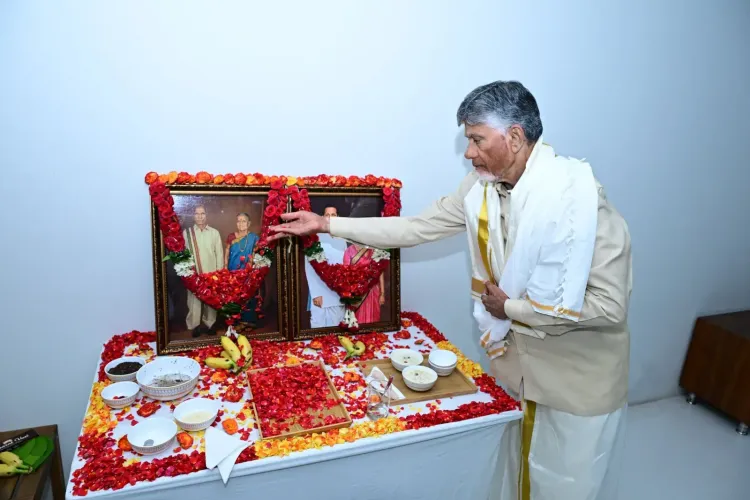
Andhra Pradesh Chief Minister N. Chandrababu Naidu performed tarpanams and shraddha karmas for his ancestors on Mahalaya Amavasya — also called Sarva Pitru Amavasya — on October 10, 2026, sharing photographs of the sacred observance on X.
Key Takeaways
Chandrababu Naidu performed ancestral offerings ( tarpanams ) on Mahalaya Amavasya, October 10, 2026 .
The day is also called Sarva Pitru Amavasya — considered the most auspicious day of the Pitru Paksha fortnight for honouring all departed ancestors.
Naidu posted three photographs of the observance on X, accompanied by an explanation in Telugu of the day's religious significance.
Hindu tradition holds that shraddha rituals performed on this day reach all ancestors regardless of the date or manner of their passing.
The public sharing of a personal devotional practice aligns with a tradition widely observed across Andhra Pradesh and Telangana .
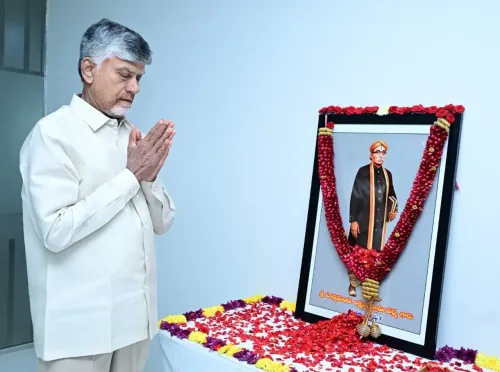
On one of Hinduism's most sacred days for honouring departed ancestors, Andhra Pradesh Chief Minister N. Chandrababu Naidu performed tarpanams (ritual water offerings) and shraddha karmas for his forebears on Bhadrapada Bahula Amavasya, observed this year on Saturday, October 10, 2026.
Posting on X with three photographs, Naidu wrote in Telugu: 'Bhadrapada Bahula Amavasya acharala paranga atyanta vishishtamaina roju' — 'Bhadrapada Bahula Amavasya is a day of the highest distinction in terms of ritual observance.' He noted that the day is also known as Mahalaya Amavasya and Sarva Pitru Amavasya, and that, in keeping with Hindu tradition, he offered tarpanams and performed shraddha rites for his pitru devatas (ancestral deities).
What Mahalaya Amavasya Marks
Mahalaya Amavasya falls on the new-moon day at the close of the Pitru Paksha fortnight — a 16-day period in the Hindu lunar calendar dedicated to ancestral remembrance. It is regarded as the most auspicious single day within that fortnight because it is believed that on this day all ancestors (sarva pitru), regardless of their mode of death or the day of their passing, can receive offerings simultaneously. Rituals typically involve offering tila jal (sesame-infused water) at a river, tank, or sacred space, reciting mantras, and making food offerings in the name of the departed.
A Personal Observance, Publicly Shared
By sharing the photographs and context publicly, CM Naidu — who leads both the state of Andhra Pradesh and the Telugu Desam Party (TDP) nationally — signals participation in a ritual that millions of Telugu-speaking families observe simultaneously. The gesture is personal in its devotional expression but carries an implicit recognition of a tradition deeply woven into the cultural fabric of Andhra Pradesh and Telangana.
Point of View
Whose TDP draws its core support from Telugu communities with deep roots in classical Hindu practice, participating visibly in Pitru Paksha rites is as much cultural affirmation as personal devotion. The post carries no policy dimension but fits a broader pattern — across the political spectrum — of elected leaders using social media to affirm shared religious identities. Its significance is social and cultural, not administrative.
NationPress
10 Oct 2026
Frequently Asked Questions
What is Mahalaya Amavasya and why is it important?
Mahalaya Amavasya is the new-moon day that closes the Pitru Paksha fortnight in the Hindu lunar calendar. It is considered the most significant day for performing shraddha and tarpan rituals because offerings made on this day are believed to reach all ancestors simultaneously, regardless of when or how they passed away.
What did CM Chandrababu Naidu do on Mahalaya Amavasya 2026?
Andhra Pradesh Chief Minister N. Chandrababu Naidu performed tarpanams (ritual water offerings) and shraddha karmas for his ancestors on October 10, 2026, and shared three photographs of the observance on X.
What is Sarva Pitru Amavasya?
Sarva Pitru Amavasya is another name for Mahalaya Amavasya. 'Sarva Pitru' means 'all ancestors', reflecting the belief that on this day offerings can be made for every departed soul, not just those who died on a specific lunar day.
What are tarpanams in Hindu tradition?
Tarpanams are ritual offerings of water — often mixed with sesame seeds and black sesame — made to departed ancestors while chanting specific mantras. They are a core part of shraddha ceremonies observed during Pitru Paksha.
When does Pitru Paksha fall in 2026?
Pitru Paksha is a 16-day fortnight in the Hindu lunar month of Bhadrapada, ending on Mahalaya Amavasya. In 2026, that concluding day fell on October 10.