CM Nayab Saini marks 2 years, cites 76 of 217 pledges kept
Synopsis
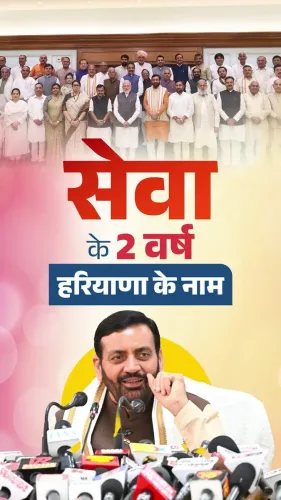
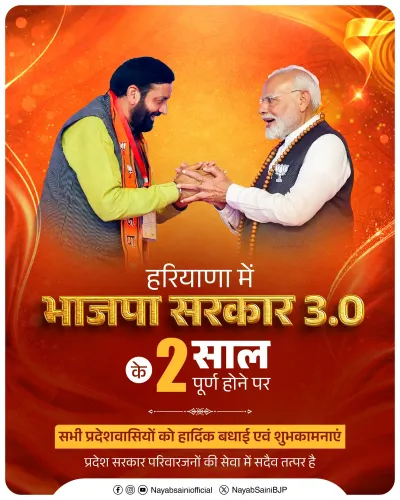
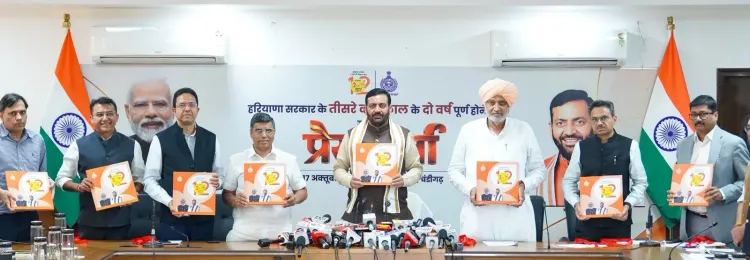
Chief Minister Nayab Singh Saini marked two years of Haryana's BJP government third term in Chandigarh on October 17, releasing an achievements booklet and reporting 76 of 217 Sankalp Patra pledges fulfilled, with 141 still in progress.
Key Takeaways
76 of 217 commitments from the Haryana BJP's Sankalp Patra have been completed within the first two years of the third term.
The remaining 141 commitments are reported to be actively in progress.
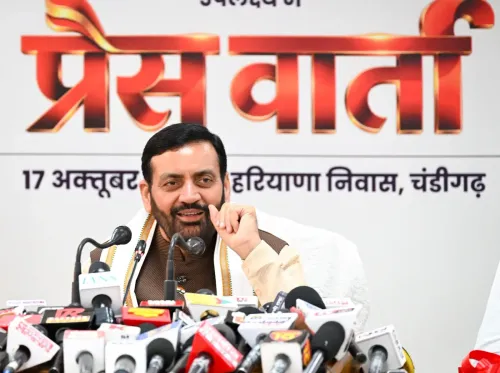
CM Nayab Singh Saini released a formal achievements booklet at a press conference in Chandigarh on October 17, 2026 .
The BJP is governing Haryana in its third consecutive term , having first won power in 2014 .
The government framed its agenda under the 'Viksit Haryana' vision, aligned with the national developed-India narrative.
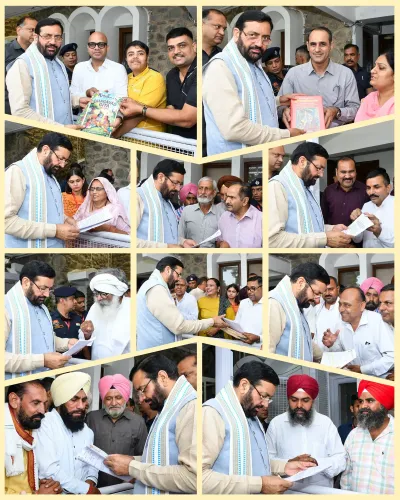
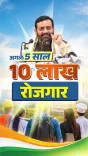
Two years into its third consecutive term, the Haryana government held a reckoning in Chandigarh on Saturday, October 17, 2026 — and Chief Minister Nayab Singh Saini arrived at the press conference with a booklet of answers. The Chief Minister's Office of Haryana announced that Saini released an achievements-based booklet marking the completion of two years of the BJP-led government's third term, and publicly accounted for the state's progress against its election manifesto.
76 down, 141 still in motion
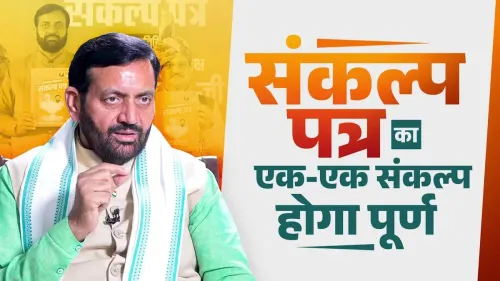
The headline number Saini put on the table: 76 of 217 commitments from the party's Sankalp Patra (election manifesto) have been fulfilled within just two years. That is roughly 35 percent of the full pledge-list crossed off inside a single term's first half. The remaining 141 commitments, the Chief Minister said, are actively in progress — a framing designed to show momentum rather than a gap.
The booklet release is a deliberate act of public accounting. By tabling a document rather than simply making verbal claims, the government invites scrutiny of what 'completed' means for each item — and sets a paper trail for the term's remaining years.
A third term, a different pressure
Context matters here. The BJP won its first Haryana assembly mandate in 2014, its second in 2019, and secured a third consecutive term in the most recent state election — an unusual hat-trick in Indian state politics where anti-incumbency often resets outcomes. Governing through a third term means the expectations bar is set higher: the electorate has already given this administration two previous runs.
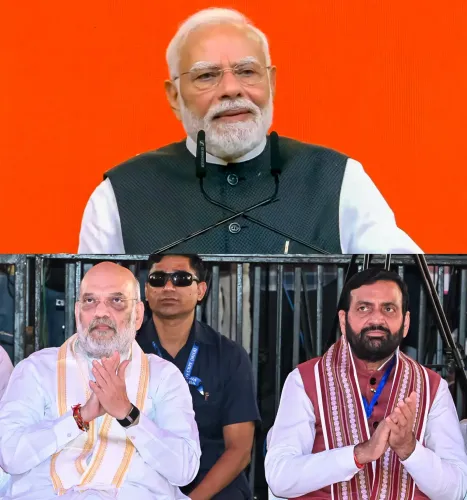
Saini used the occasion to reaffirm the government's commitment to what the party calls 'Viksit Haryana' — a developed-Haryana vision aligned with the national Viksit Bharat framework. It is branding that ties state-level delivery to the central government's overarching development narrative.
Why the two-year mark matters
State governments across India have adopted the practice of mid-cycle progress reports — a format that serves both a governance and a political purpose. Done well, it builds credibility. Done poorly, it invites line-by-line challenge from the opposition. By releasing a structured booklet, the Haryana government has effectively published the scorecard its critics will now use against it.
What the remaining 141 promises contain — their scope, timelines, and measurable targets — will define whether the second half of this term is seen as delivery or delay.
Point of View
141 in progress), the Saini government has traded vagueness for verifiability, which is a calculated risk: it invites forensic scrutiny but also signals confidence. The 'Viksit Haryana' branding is telling — it deliberately ties state delivery to the Centre's larger Viksit Bharat framework, positioning Haryana as a model BJP state ahead of any future national political cycles. The real test arrives in the next two years, when the remaining 141 promises either materialise or become the opposition's election brief.
NationPress
17 Oct 2026
Frequently Asked Questions
How many promises has the Haryana government fulfilled in 2 years?
The Haryana government has fulfilled 76 of its 217 Sankalp Patra commitments in the first two years of its third term, according to Chief Minister Nayab Singh Saini.
What is the Haryana Sankalp Patra?
The Sankalp Patra is the BJP's election manifesto for Haryana, which contained 217 specific commitments made to voters ahead of the most recent state assembly election.
What is Viksit Haryana?
'Viksit Haryana' is the Haryana government's development vision, aligned with the central government's 'Viksit Bharat' framework, aimed at comprehensive progress across the state.
When did Nayab Saini's government complete 2 years?
The Haryana government's third term completed two years on October 17, 2026 , marked by a press conference and booklet release in Chandigarh .
Is the BJP in its third term in Haryana?
Yes. The BJP has governed Haryana for three consecutive terms, winning power first in 2014 , again in 2019 , and securing a third successive mandate in the most recent assembly election.