CM Nitish Moves to Revive Vikramshila University in Bihar

Synopsis
Bihar Chief Minister Nitish Kumar has announced that the revival of the ancient Vikramshila University in modern form is underway, with roughly 220 acres of land already transferred and a target to establish the institution within one year, the Chief Minister's Office confirmed on 15 July 2026.
Key Takeaways
The Chief Minister's Office of Bihar confirmed on 15 July 2026 that the revival of Vikramshila University in modern form has begun.
Approximately 220 acres of land has already been transferred for the new university.
The government has set a target to establish the university within one year , pointing to an operational date around mid-2027.
The proposed university will be located in Bhagalpur district , home to the original 8th-century ruins protected by the Archaeological Survey of India.
The project follows the precedent of the Nalanda University Act, 2010 , which revived another ancient Bihar centre of learning as a modern institution.
Next steps include release of a detailed project report, budget allocation, and appointment of a governing body or vice-chancellor.
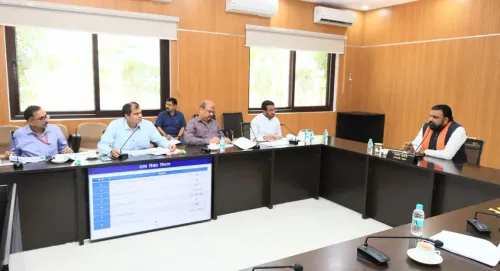
The Chief Minister's Office of Bihar announced on Wednesday, 15 July 2026 that Chief Minister Nitish Kumar has confirmed the revival of the ancient Vikramshila University in its modern form, with a target to establish the institution within one year. The office stated that approximately 220 acres of land has already been transferred for the project.
Responding to a query on X, the Chief Minister's Office quoted CM Nitish Kumar as saying: 'praacheen Vikramshila Vishwavidyalaya ko aadhunik swaroop mein punarsthaapit karne ki prakriya praarambh ho chuki hai' — 'the process of re-establishing the ancient Vikramshila University in a modern form has already begun.' The statement added that land transfer is complete and a firm one-year deadline has been set for the university's establishment.
Context
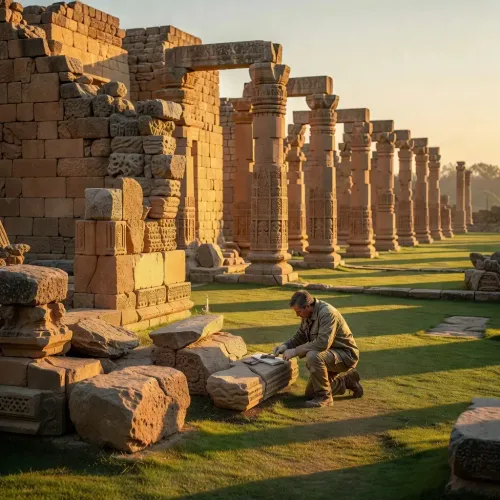
Vikramshila University was a celebrated Buddhist monastic centre of learning founded in the late 8th century by Pala dynasty ruler Dharmapala. At its peak it rivalled Nalanda as one of the great seats of scholarship in the ancient world. The original university was destroyed in the 12th century and its ruins at Antichak village in Bhagalpur district are today protected by the Archaeological Survey of India.
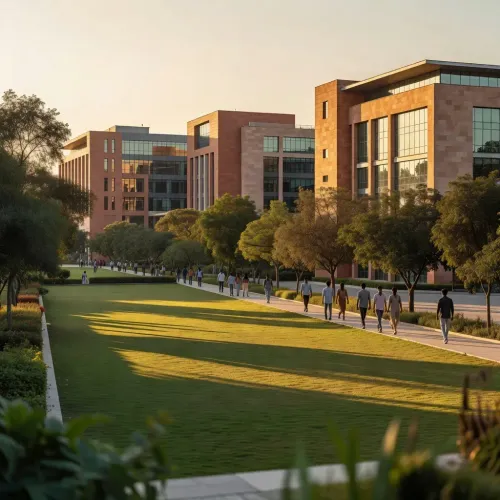
The proposed modern university would be located in Bhagalpur, the same district that houses the archaeological site, anchoring the new institution to its historical roots while serving the region's contemporary higher-education needs.
Policy Backdrop
The revival follows a well-established precedent in Bihar: the Nalanda University Act, 2010 created a modern international university at the site of the ancient Nalanda mahavihara, drawing global academic interest and significant central funding. The Vikramshila project mirrors that model — pairing heritage significance with new higher-education infrastructure.
Bihar governments have consistently combined the preservation of Buddhist archaeological sites with the creation of new university bodies as part of a broader effort to develop the state's knowledge economy and strengthen its Buddhist heritage tourism circuit. Land transfer from state agencies to a dedicated university body is the standard first step in such projects, followed by appointment of a governing body and release of detailed project reports.
Stakeholders and Impact
Students across Bhagalpur and the surrounding Seemanchal and Angika regions stand to benefit most directly, as the district has historically lacked a major central or state university of national standing. Heritage researchers and Buddhist studies scholars would gain an institutional base close to the original archaeological site.
Local residents and the tourism sector in Bhagalpur could see downstream economic activity if the university campus is developed alongside the existing ASI-protected ruins, creating an integrated knowledge-and-heritage destination similar to what has emerged around the Nalanda site in Rajgir.
What's Next
The one-year window — implying operationalisation by mid-2027 — will require the state government to release a detailed project report, secure budget allocations, and appoint a vice-chancellor or interim governing body. These steps will be closely watched as indicators of whether the stated timeline will hold.
The pace of statutory notifications and the extent of central government co-funding, if any, will determine whether the Vikramshila revival follows the relatively smooth Nalanda trajectory or faces the delays that have affected similar heritage-university projects in other Indian states.
Point of View
CM Nitish Kumar is signalling urgency ahead of what is expected to be a competitive electoral cycle in the state. The choice of Bhagalpur — a region with a distinct cultural identity and historically underserved by top-tier universities — also carries obvious political arithmetic. Whether the timeline survives the usual bureaucratic and funding hurdles will be the real test of institutional follow-through.
NationPress
16 Jul 2026
Frequently Asked Questions
What is the Vikramshila University revival project in Bihar?
The Bihar government is re-establishing Vikramshila University as a modern institution in Bhagalpur district, reviving the ancient 8th-century Buddhist centre of learning originally founded by Pala ruler Dharmapala. Chief Minister Nitish Kumar confirmed the process has begun, with about 220 acres of land already transferred.
Where will the new Vikramshila University be located?
The new university will be located in Bhagalpur district of Bihar, the same district that contains the original archaeological ruins of Vikramshila at Antichak village, which are protected by the Archaeological Survey of India.
When will Vikramshila University be established?
The Bihar government has set a target to establish the university within one year of the July 2026 announcement, aiming for operationalisation by approximately mid-2027.
How much land has been transferred for Vikramshila University?
Approximately 220 acres of land has been transferred for the Vikramshila University project, according to the Chief Minister's Office of Bihar.
Is Vikramshila University similar to Nalanda University?
Yes, the Vikramshila revival closely mirrors the Nalanda University model. The Nalanda University Act of 2010 created a modern international university at the site of the ancient Nalanda mahavihara in Bihar, establishing a precedent for state-led revival of historic Buddhist centres of learning that the Vikramshila project now follows.