Amit Shah: MCD-NDDB MoU to turn Delhi cow dung into CBG fuel
Synopsis
Union Home Minister Amit Shah announced an MCD-NDDB MoU on 15 July 2026 to install compressed bio-gas plants across Delhi, diverting cattle dung from the Yamuna into fuel and fertiliser and positioning the deal as a national model for urban river-pollution abatement.
Key Takeaways
MCD and NDDB signed an MoU on 15 July 2026 to address cattle-dung pollution in the Yamuna river .
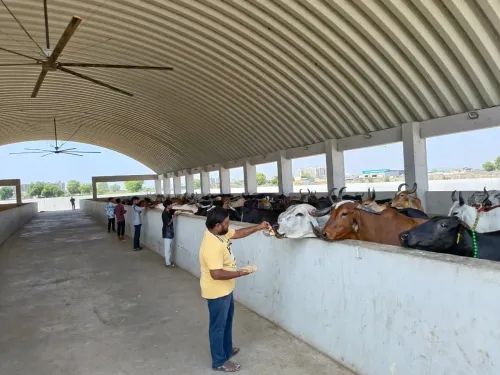
Cattle dung previously flowing into the Yamuna will be processed into compressed bio-gas (CBG) and organic fertiliser .
CBG plants will be established at multiple locations across Delhi under the agreement.
The initiative draws on the GOBAR-Dhan scheme (2018) and the Namami Gange programme (2014).
Home Minister Amit Shah described the MoU as a replicable model for cleaning all major Indian cities and boosting livestock farmers' incomes .
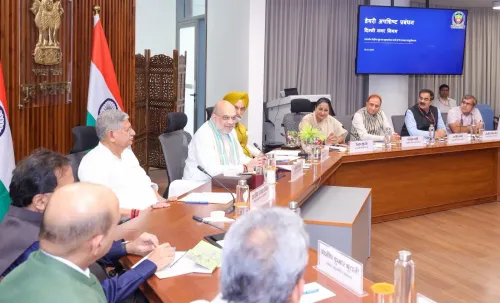
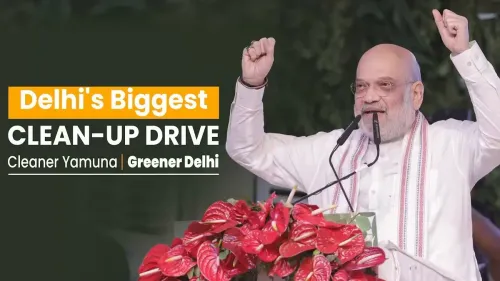
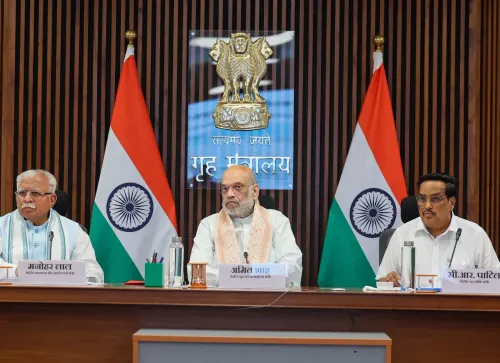
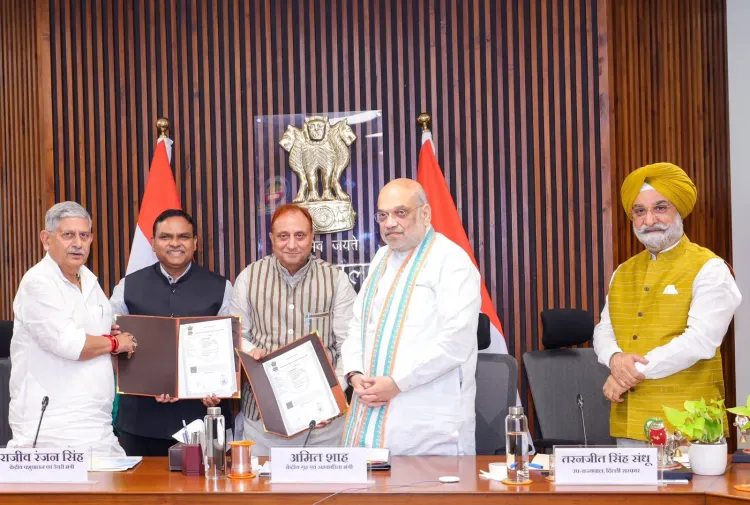
Union Home Minister Amit Shah on Wednesday, 15 July 2026 announced that Municipal Corporation of Delhi (MCD) and the National Dairy Development Board (NDDB) have signed a Memorandum of Understanding aimed at converting cattle dung from Delhi into compressed bio-gas (CBG) and organic fertiliser, a step the minister described as critical to cleaning the Yamuna river.
Context
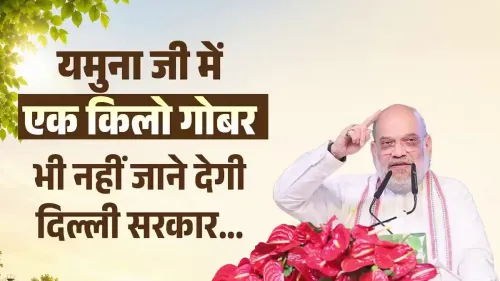
Shah posted in Hindi that the Modi government is 'committed to making the Yamuna clean, pollution-free and beautiful' (यमुना जी को साफ, प्रदूषण मुक्त और सुंदर बनाने के लिए मोदी सरकार संकल्पित है). He said cattle dung that previously flowed directly into the Yamuna — a major source of water pollution — will now be channelled into fuel and manure production. CBG plants will be set up at multiple locations across Delhi under the agreement.
The minister also framed the MoU as a replicable model, saying it would serve as a blueprint for cleaning 'all major cities of the country' while simultaneously raising the incomes of livestock farmers.
Policy Backdrop
The MCD-NDDB agreement sits within two established central-government frameworks. The Namami Gange programme, launched in 2014, identified the Yamuna as a priority tributary and funded sewage treatment and waste-management interventions along its banks. The GOBAR-Dhan scheme, introduced in 2018 under the Swachh Bharat Mission-Urban, specifically promotes converting cattle dung into biogas and organic manure at the municipal level.
NDDB, a statutory body under the Ministry of Fisheries, Animal Husbandry and Dairying, has been expanding its mandate from dairy cooperatives to bio-energy, making it a natural institutional partner for urban cattle-waste management. Similar CBG projects have been executed in Gujarat, Haryana and Uttar Pradesh under the same waste-to-wealth umbrella.
Stakeholders and Impact
MCD, as Delhi's primary civic body for solid-waste management, will be the key on-ground implementer. Livestock keepers and dairy farmers in and around the capital stand to gain a new revenue stream by supplying dung to the proposed CBG plants rather than disposing of it in waterways. Urban residents and downstream communities along the Yamuna are the intended environmental beneficiaries.
The circular-economy logic — converting a pollutant into a commercial product — also aligns with India's renewable-energy targets, since CBG can substitute for fossil-fuel-derived compressed natural gas in transport and cooking.
What's Next
The immediate focus will be on identifying and operationalising the CBG plant sites across Delhi. Water-quality monitoring of the Yamuna stretch passing through the capital will be the key metric for gauging the environmental impact of the initiative. Shah's framing of the MoU as a 'model' suggests the Centre may push for similar MCD-NDDB-style agreements in other metropolitan cities, potentially through the Swachh Bharat or GOBAR-Dhan frameworks. Progress on plant construction timelines and subsequent Yamuna pollution data are the indicators to watch.
Point of View
The BJP leadership is addressing one of Delhi's most politically visible environmental failures ahead of what remains a contested urban governance space. The model-city framing signals an intent to scale the intervention nationally through existing Swachh Bharat and GOBAR-Dhan pipelines, which would give the Centre credit for urban environmental outcomes even where civic administration is run by opposition parties. Whether the plants are built and the Yamuna's water quality measurably improves will determine whether this MoU becomes a genuine policy milestone or another announced intent.
NationPress
16 Jul 2026
Frequently Asked Questions
What is the MCD-NDDB MoU about?
The MoU signed on 15 July 2026 between the Municipal Corporation of Delhi and the National Dairy Development Board aims to convert cattle dung — which was previously flowing into the Yamuna — into compressed bio-gas for fuel and organic fertiliser, using CBG plants to be set up across Delhi.
How will CBG plants help clean the Yamuna?
By intercepting cattle dung before it reaches the river, CBG plants will reduce a key source of organic pollution in the Yamuna. The dung is processed into compressed biogas and bio-fertiliser instead of being discharged into waterways.
What is the GOBAR-Dhan scheme?
GOBAR-Dhan is a central government scheme launched in 2018 under the Swachh Bharat Mission-Urban that promotes the conversion of cattle dung and organic waste into biogas and organic manure, generating income for farmers and reducing environmental pollution.
What is NDDB's role in this project?
The National Dairy Development Board is a statutory body that has expanded its mandate to include bio-energy from cattle waste. It will partner with MCD to set up and potentially operate the CBG plants in Delhi under the new agreement.
Will this model be used in other Indian cities?
Home Minister Amit Shah explicitly stated the MoU is intended to serve as a model for cleaning all major cities in India and increasing livestock farmers' incomes, suggesting the Centre plans to replicate it in other metros through existing national schemes.