CM Nitish Orders Officers for Time-Bound Grievance Resolution
Synopsis
Bihar CM Nitish Kumar chaired a Sahyog Shivir on 13 October 2026, directing all officials to resolve public grievances impartially, sensitively, and within a set timeframe — reinforcing his long-standing Sushasan governance brand.
Key Takeaways
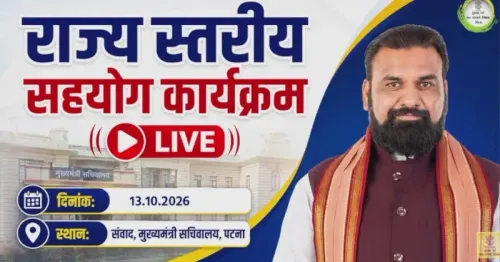
Chief Minister Nitish Kumar addressed a Sahyog Shivir on 13 October 2026 , a camp-format grievance redressal initiative run by the Bihar government.
He directed all officers and staff to ensure impartial and time-bound resolution of public complaints.
Officials were explicitly told to approach citizens' problems with sensitivity and promptness , not just procedural compliance.
The Sahyog Shivir model is part of Bihar's broader Sushasan (good governance) framework active since 2005 .
District-level implementation and measurable complaint-resolution rates remain the key metric to watch going forward.
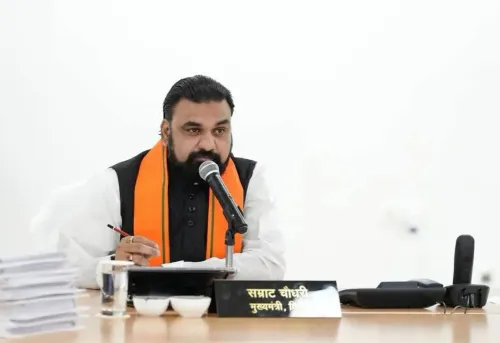
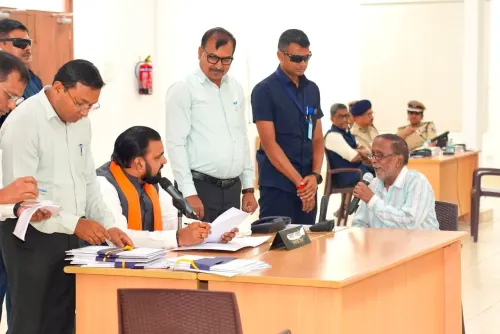
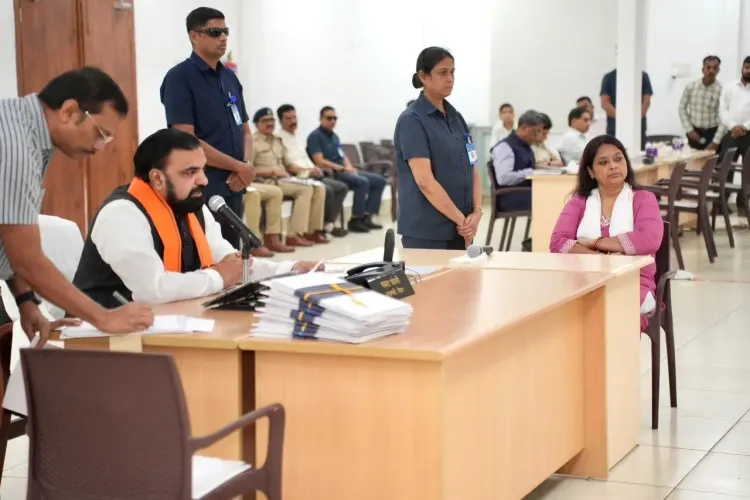
When a Chief Minister personally chairs a grievance camp and tells his entire bureaucracy to treat every complaint with sensitivity and urgency, it signals more than a one-day exercise — it is a statement about the standard of governance Bihar is being held to. The Chief Minister's Office of Bihar shared on Tuesday, 13 October 2026 that Chief Minister Nitish Kumar directed all officers and staff at a Sahyog Shivir (cooperative grievance camp) to resolve public complaints impartially and within a fixed timeframe.
The official post quoted the Chief Minister as saying that the purpose of the Sahyog Shivir is 'आम जनता की शिकायतों का निष्पक्ष एवं समयबद्ध समाधान' — 'impartial and time-bound resolution of public grievances' — and that every official must approach citizens' problems with 'संवेदनशीलता तथा तत्परता', meaning sensitivity and promptness, to ensure justice is delivered.What the Sahyog Shivir Model Demands of Bihar's Bureaucracy
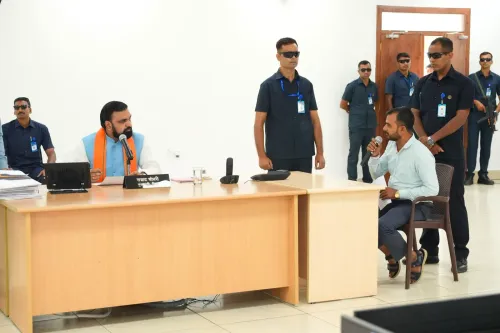
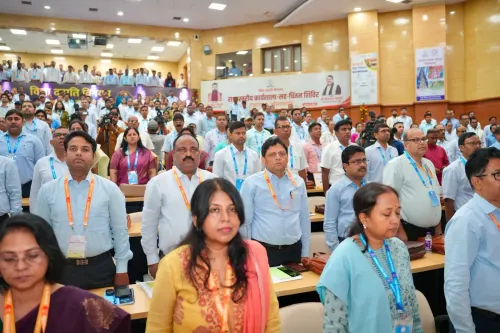
The Sahyog Shivir format is not a new invention — it is one of the recurring instruments Bihar's administration has used to push accountability down to the district level. Officials across departments are expected to sit together with citizens, hear their grievances on the spot, and commit to resolution timelines rather than routing complaints through bureaucratic loops that can take months.
Nitish Kumar has anchored his political identity around the concept of 'Sushasan' (good governance) since he first assumed the Chief Ministership in 2005. The directive issued at the Sahyog Shivir is squarely in that tradition — framing responsive, citizen-facing administration not as optional goodwill but as an official duty.
Sensitivity as a Mandate, Not a Suggestion
What makes this directive notable is its explicit emphasis on officer attitude, not just procedure. Demanding sensitivity alongside speed sends a clear signal: mechanical complaint registration is not enough. Officials are being told that a citizen walking into a Sahyog Shivir must leave satisfied — and that outcome is the responsibility of the officer, not the system's paperwork trail.
Bihar's district-level grievance outcomes will be the real test. The state has periodically published complaint disposal data under its administrative reform frameworks, and the political credibility of the Sushasan brand rests heavily on whether these camp directives translate into measurable resolution rates on the ground.
For Bihar's common citizen — navigating land disputes, pension delays, or entitlement gaps — the Sahyog Shivir is often the most accessible interface with the state. Whether officers treat it as a genuine mandate or a ceremonial exercise will determine its lasting value.
Point of View
Citizen-visible deliverables. Mandating sensitivity alongside speed is a subtle governance move: it shifts accountability from process to outcome, making officers personally answerable for citizen satisfaction rather than just complaint registration. The real test, however, is whether district-level disposal data backs up the camp-day rhetoric. If outcomes remain unmeasured or unpublished, the shivir risks becoming a recurring photo opportunity rather than a structural fix.
NationPress
13 Oct 2026
Frequently Asked Questions
What is a Sahyog Shivir in Bihar?
A Sahyog Shivir is a cooperative grievance redressal camp organised by the Bihar government where citizens can present complaints directly to officials from multiple departments, who are expected to resolve issues on the spot or within a committed timeframe.
What did CM Nitish Kumar say at the Sahyog Shivir on 13 October 2026?
CM Nitish Kumar directed all officers and staff to resolve public grievances impartially and within a fixed timeframe, and to handle citizens' problems with sensitivity and promptness to ensure justice is delivered.
What is Sushasan and how does it relate to Bihar's governance?
Sushasan means 'good governance' in Hindi and is the administrative philosophy Nitish Kumar has championed since becoming Bihar's Chief Minister in 2005. It emphasises responsive, transparent, and citizen-centric administration across all government departments.
How does Bihar handle public grievances at the district level?
Bihar uses mechanisms such as Sahyog Shivirs, where officers from relevant departments convene at accessible venues to hear citizen complaints, aiming to cut bureaucratic delays and resolve issues directly rather than routing them through long formal channels.
Why is time-bound grievance resolution important for Bihar citizens?
Many Bihar citizens deal with issues such as land disputes, pension delays, and entitlement gaps that can languish for months in standard administrative channels. Time-bound resolution camps like the Sahyog Shivir are designed to give citizens a faster, more direct path to redress.