Bihar CM's Office Reaffirms Fair, Time-Bound Grievance Redressal
Synopsis
The Chief Minister's Office of Bihar on 14 July 2026 declared that resolving every public complaint fairly, transparently, and within a fixed timeframe is the government's top priority, renewing its long-standing sushasan or good-governance commitment.
Key Takeaways
The Chief Minister's Office of Bihar posted on 14 July 2026 reaffirming the government's commitment to grievance redressal.
The statement describes fair, transparent, and time-bound resolution of every complaint as the government's highest priority .
Nitish Kumar has anchored Bihar's governance brand on sushasan (good governance) since 2005 .
The Bihar Right to Public Services Act, 2011 legally mandates time-bound service delivery and grievance redressal for notified services.
Bihar combines physical Janata Darbars with digital portals to handle complaints in areas including land records, pensions, and public distribution.
Performance of the state grievance portal and any expansion of notified services will be key indicators to watch at the next Bihar Legislative Assembly session.
The Chief Minister's Office of Bihar on Tuesday, 14 July 2026 reiterated the state government's commitment to resolving every public complaint in a fair, transparent, and time-bound manner, describing grievance redressal as the government's 'highest priority' in its mission of public service.
Context
The post, shared from the official @officecmbihar handle, quotes a senior government statement affirming that the administration is working with a resolve for janaseva (public service). The exact Hindi phrasing reads: 'rajya sarkar janaseva ke sankalp ke saath kary kar rahi hai tatha pratyek shikayat ka nishpaksh, pardarshi aur samayabaddh samadhan sunishchit karna sarkar ki sarvochch prathamikta hai' — meaning, 'the state government is working with a resolve for public service, and ensuring a fair, transparent and time-bound resolution of every complaint is the government's highest priority.'
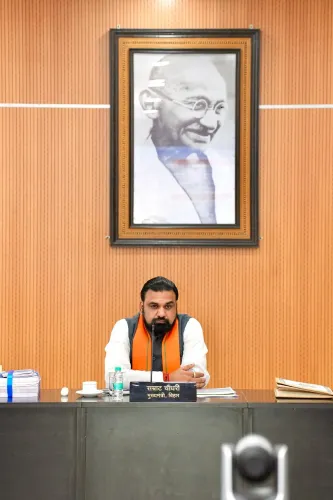
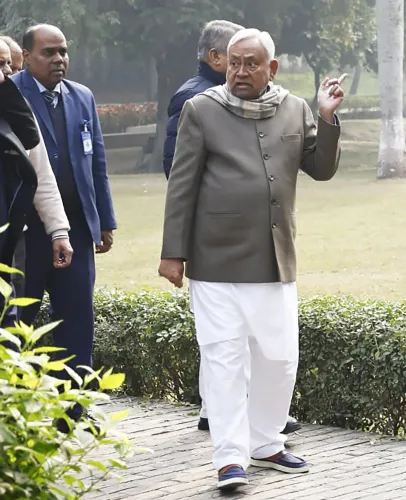
The statement was accompanied by an image, signalling a formal communication rather than a routine social-media update.
Policy Backdrop
Bihar has a long institutional history of grievance-focused governance. Chief Minister Nitish Kumar, who has led the state since 2005 (with brief interruptions), built his early political identity around the concept of sushasan — good governance — placing administrative transparency and citizen complaint handling at the centre of state policy.
A landmark step in that direction was the Bihar Right to Public Services Act, 2011, which made time-bound delivery and grievance redressal a legal entitlement for citizens across a range of notified services. The Act predated several national-level digital governance frameworks and set a template that other states later referenced.
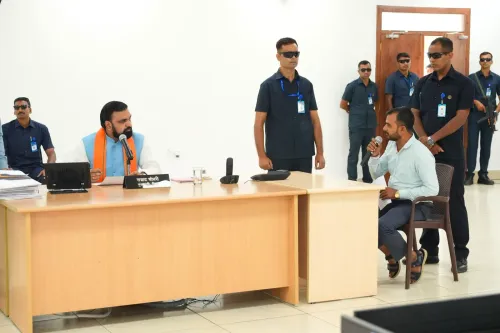
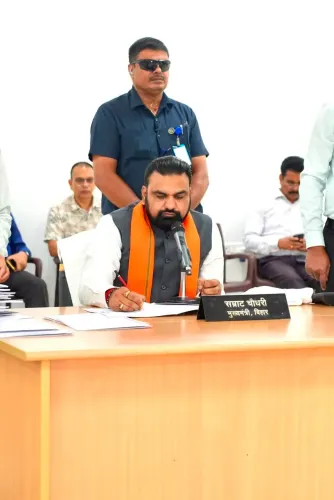
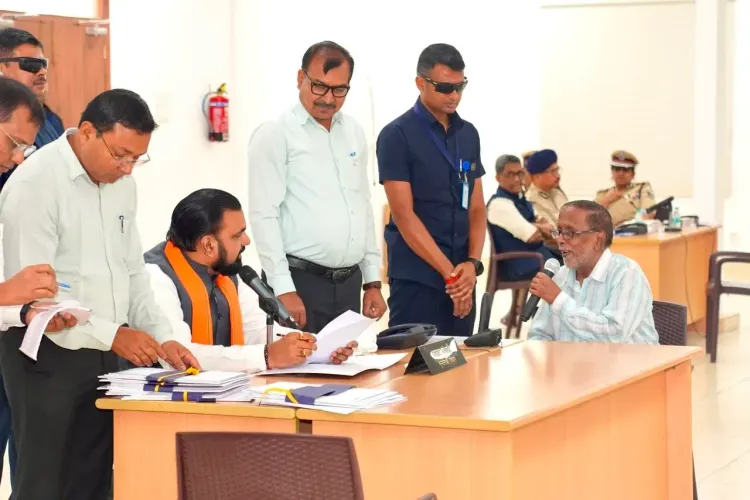
Successive Bihar administrations have paired physical Janata Darbars — open public hearings where citizens can directly present complaints — with digital portals covering domains such as land records, pensions, and the public distribution system.
Stakeholders and Impact
The primary beneficiaries of an effective grievance mechanism are Bihar's roughly 13 crore residents, particularly those in rural areas who depend on state services for land-record corrections, pension disbursements, and ration entitlements. Timely complaint resolution directly affects livelihoods in a state where a large share of the population interacts with government services for basic needs.
For the ruling administration, consistent messaging on grievance redressal also carries electoral significance: sushasan has been the defining governance brand of Nitish Kumar's multiple terms, and reiterating it publicly keeps the narrative anchored on administrative performance rather than political controversy.
What's Next
Observers will watch whether this statement is followed by measurable steps — such as an expanded list of notified services under the Right to Public Services Act or a performance audit of the state's grievance portal — during the next session of the Bihar Legislative Assembly. The credibility of such reaffirmations ultimately rests on disposal rates, average resolution time, and citizen satisfaction data that the government has periodically published. Any concrete policy announcement or portal upgrade would mark a substantive follow-through on today's public commitment.
Point of View
Keeping the sushasan narrative alive between electoral cycles. Bihar's grievance infrastructure — built incrementally since 2005 and codified in the 2011 Right to Public Services Act — is one of the more developed among large Indian states, yet the gap between stated priority and measurable outcomes remains a persistent critique. Framing grievance redressal as the 'highest priority' in a public post signals that the administration is sensitive to citizen dissatisfaction and keen to project responsiveness. Whether this translates into institutional upgrades or remains rhetorical will depend on what follows in the legislative session and in portal performance data.
NationPress
13 Oct 2026
Frequently Asked Questions
What did the Bihar Chief Minister's Office say about grievance redressal?
The Bihar Chief Minister's Office stated on 14 July 2026 that ensuring fair, transparent, and time-bound resolution of every public complaint is the state government's highest priority, and that the government is working with a resolve for public service.
What is the Bihar Right to Public Services Act?
The Bihar Right to Public Services Act, 2011 is a state law that legally entitles citizens to time-bound delivery of notified government services and mandates a grievance redressal mechanism, making it one of the earlier such laws among Indian states.
What is sushasan and why is it important in Bihar politics?
Sushasan means 'good governance' in Hindi. Chief Minister Nitish Kumar made it the central theme of his administration from 2005 onwards, focusing on administrative transparency, law and order, and citizen complaint handling as the pillars of Bihar's governance identity.
How does Bihar handle public complaints?
Bihar uses a combination of physical Janata Darbars — open hearings where citizens can present complaints directly — and digital portals that cover services such as land records, pensions, and the public distribution system.
What should citizens watch for after this Bihar government statement?
Citizens and observers should watch for an expanded list of notified services under the Right to Public Services Act, a performance audit of the state grievance portal, and any related announcements during the next Bihar Legislative Assembly session.