Bihar CM Office Launches Portal for Citizen Grievances

Synopsis
The Chief Minister's Office of Bihar announced a new online portal on 23 June 2026, enabling citizens to register complaints, suggestions, and problems directly with the state government, with a commitment to quick and effective resolution under the Sushasan governance framework.
Key Takeaways
The Chief Minister's Office of Bihar announced a new citizen-facing online portal on 23 June 2026 .
Citizens can register problems, suggestions, and complaints through the portal.
The government has committed to ensuring swift and effective resolution of submissions.
The initiative extends Bihar's long-standing Sushasan (good governance) framework into the digital space.
The portal aligns with a broader national push for e-governance and real-time public service delivery tracking across Indian states.
Integration with district-level systems and publication of resolution metrics will be key markers of the portal's success.
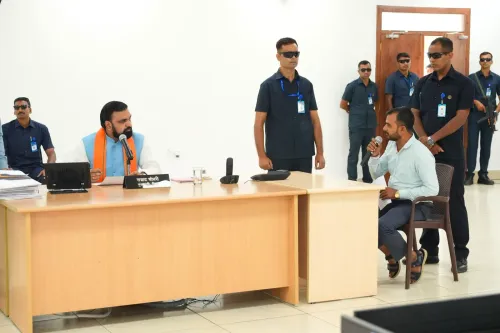
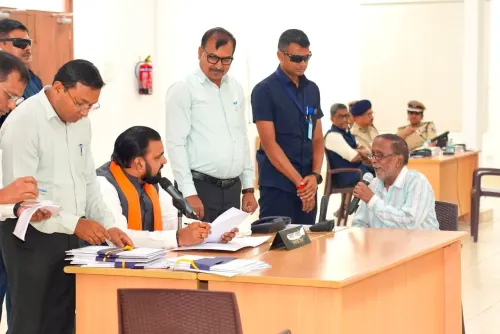
The Chief Minister's Office of Bihar announced on Tuesday, 23 June 2026 the launch of a new online portal designed to allow citizens of Bihar to register their problems, suggestions, and complaints, with a commitment to ensuring swift and effective resolution.
Context
The official post from @officecmbihar states, in translation: 'is portal ke madhyam se ve apni samasyaen, sujhav evam shikayaten darj kar sakenge tatha unke tvrit evam prabhavi samadhan ki vyavastha sunishchit ki jaegi' — 'Through this portal, citizens will be able to register their problems, suggestions, and complaints, and arrangements will be made to ensure their quick and effective resolution.' The announcement signals a formal expansion of Bihar's digital citizen-interface infrastructure.
The post is framed as a continuation of an existing communication, indicated by its 'R to' (reply-to) format, suggesting the portal announcement is part of a broader official thread or event on the platform.
Policy Backdrop
Bihar has maintained physical and telephonic grievance cells under the Chief Minister's office as a cornerstone of the Sushasan (good governance) framework championed by Chief Minister Nitish Kumar since the mid-2000s. The move to an online portal reflects the state's effort to modernise this long-standing infrastructure.
Across India, state governments have progressively introduced online grievance and suggestion portals to supplement offline mechanisms, aligning with the national push for e-governance and real-time public service delivery tracking. Such platforms typically aim to reduce administrative response times and generate data to inform policy adjustments at the district level.
Stakeholder Impact
The primary beneficiaries are Bihar's estimated 13 crore citizens, who would gain a structured digital channel to escalate concerns directly to the state administration without requiring physical visits to government offices. For rural and semi-urban residents, access to such a portal — if supported by adequate digital infrastructure — could meaningfully reduce the friction involved in seeking redress.
District-level administrative offices and grievance officers are also key stakeholders, as the portal is expected to route complaints to the appropriate departments and track resolution timelines. The platform's effectiveness will ultimately depend on integration with existing district-level systems and the responsiveness of the officials tasked with handling submissions.
What's Next
Observers will watch for an official launch notification detailing the portal's name, technical features, and the departments it covers. Integration with Bihar's existing district administration systems and the publication of initial resolution metrics — potentially in state assembly replies — will be early indicators of the platform's operational effectiveness.
The government's stated commitment to 'tvrit evam prabhavi samadhan' ('quick and effective resolution') sets a public benchmark against which citizen experience and civil society groups are likely to measure the portal's performance in the months ahead.
Point of View
Now adapted to the digital governance expectations of the mid-2020s. By creating a structured online channel for complaints and suggestions, the state is positioning itself within the mainstream of India's e-governance movement, where measurable resolution timelines increasingly define administrative credibility. The true test will lie not in the portal's launch but in its operational metrics — response rates, resolution times, and district-level compliance — which will determine whether this is substantive reform or symbolic digitisation. Given Bihar's historical reliance on physical grievance cells, the portal's uptake among rural citizens will be a critical and closely watched variable.
NationPress
22 Sept 2026
Frequently Asked Questions
What is the Bihar CM Office grievance portal?
The Bihar Chief Minister's Office has announced an online portal where citizens can register their problems, suggestions, and complaints directly with the state government, which has committed to ensuring quick and effective resolution of each submission.
How can Bihar citizens register complaints on the new portal?
According to the official announcement, citizens will be able to log onto the portal and submit their grievances, suggestions, or problems digitally, replacing or supplementing the need to visit physical government offices or use telephonic helplines.
What is Sushasan in Bihar governance?
Sushasan, meaning 'good governance' in Hindi, is the governance philosophy associated with Chief Minister Nitish Kumar's administration since the mid-2000s, emphasising improved public service delivery, law and order, and citizen-responsive administration in Bihar.
Is Bihar's new grievance portal part of India's e-governance push?
Yes, the portal aligns with a broader national trend in which Indian state governments have introduced online grievance and suggestion platforms to supplement offline mechanisms, enabling real-time tracking of public service delivery and faster administrative response times.
What will determine the success of Bihar's citizen grievance portal?
Key indicators will include the portal's integration with district-level administrative systems, the speed and quality of complaint resolution, and the publication of resolution metrics — potentially reported in state assembly sessions — that allow citizens and legislators to assess its effectiveness.