CM Nitish Kumar Directs Bihar Officials to Treat Public Respectfully
Synopsis
Bihar Chief Minister Nitish Kumar on 14 July 2026 directed all state officials to treat citizens with respect and resolve their problems swiftly. The order, shared by the official CMO Bihar handle, reinforces the state's long-standing push for responsive, accountable governance and citizen-first public service delivery.
Key Takeaways
The Chief Minister's Office of Bihar on 14 July 2026 shared a directive from CM Nitish Kumar to all government officials.
Officials have been instructed to treat members of the public with respect and dignity at all times.
The directive calls for prompt and effective resolution of citizen grievances.
Bihar has operated citizen grievance mechanisms including Janata Darbar since the mid-2000s under Nitish Kumar's leadership.
The instruction aligns with Bihar's Right to Public Service framework, which mandates time-bound delivery of government services.
District-level compliance and integration with digital grievance portals will be key indicators of follow-through.
The Chief Minister's Office of Bihar on Tuesday, 14 July 2026 issued a directive from Chief Minister Nitish Kumar instructing all government officials to treat members of the public with dignity and ensure swift, effective resolution of their grievances.
The post, shared from the official handle of the Chief Minister's Office, stated in Hindi: 'माननीय मुख्यमंत्री जी ने सभी पदाधिकारियों को निर्देश दिया कि वे आमजन के साथ सम्मानजनक व्यवहार करते हुए उनकी समस्याओं का त्वरित एवं प्रभावी समाधान सुनिश्चित करें।' (The honourable Chief Minister directed all officials to ensure respectful behaviour towards the common people and the prompt and effective resolution of their problems.)
Context
The directive reflects a recurring theme in Bihar's administrative governance: holding officials accountable for their conduct toward ordinary citizens. Chief Minister Nitish Kumar, who has led the state across multiple terms since 2005, has consistently positioned administrative responsiveness as a cornerstone of his governance agenda. The instruction reinforces expectations of courteous, time-bound service delivery at every level of the bureaucracy.
Policy Backdrop
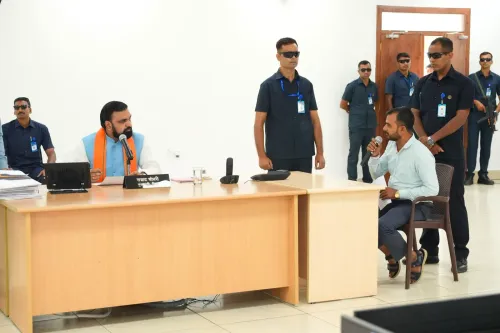
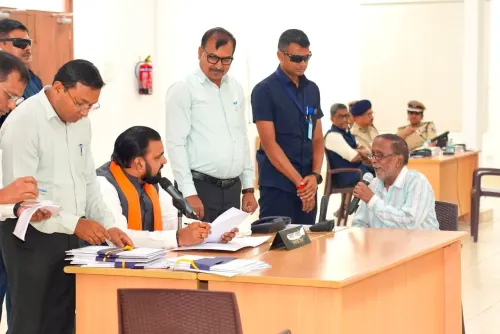
Bihar has long employed mechanisms such as Janata Darbar — public grievance forums held by the Chief Minister — to create direct channels between citizens and the state administration. These forums have been a fixture of state governance since the mid-2000s and signal the administration's intent to reduce the distance between government officials and the public. The latest directive sits within this broader tradition of periodic instructions aimed at improving bureaucratic responsiveness.
Across Indian states, chief ministers have increasingly issued conduct guidelines to district and block-level officials, often in tandem with Right to Public Service legislation and e-governance portals designed to track complaint resolution. Bihar has its own Right to Public Service framework, which mandates time-bound delivery of notified services and provides for penalties against erring officials.
Stakeholders and Impact
The directive is addressed to all government officials across Bihar, from senior district administrators to frontline functionaries who interact daily with the public. For ordinary citizens — particularly those in rural areas who depend on government offices for land records, welfare scheme benefits, and public health services — respectful and timely official conduct can materially affect access to entitlements. Civil society groups working on administrative accountability have consistently flagged discourteous official behaviour as a barrier to effective public service delivery in the state.
What's Next
Attention will now turn to how district administrations translate this directive into measurable compliance. Observers will watch for integration with existing digital grievance portals and any announced review mechanism to assess official conduct at the ground level. Periodic compliance audits or departmental circulars reinforcing the instruction would signal the administration's intent to move beyond symbolic messaging toward structural accountability.
Point of View
Such instructions often serve a dual purpose: reinforcing internal discipline within the bureaucracy while communicating to voters that the Chief Minister remains personally invested in their day-to-day experience of government. The recurring nature of these directives across Bihar's governance history raises the legitimate question of structural enforcement: whether conduct guidelines translate into accountability without robust monitoring mechanisms. The real test will lie in whether district administrations treat this as a binding instruction or a routine circular.
NationPress
12 Oct 2026
Frequently Asked Questions
What did Bihar CM Nitish Kumar direct officials to do?
CM Nitish Kumar directed all Bihar government officials to treat citizens with respect and ensure the prompt and effective resolution of their problems, as announced by the Chief Minister's Office on 14 July 2026.
What is Janata Darbar in Bihar?
Janata Darbar is a public grievance forum held by Bihar Chief Minister Nitish Kumar where citizens can directly present their complaints to the state's top executive. It has been a feature of Bihar's governance since the mid-2000s.
Does Bihar have a Right to Public Service law?
Yes, Bihar has a Right to Public Service framework that mandates time-bound delivery of notified government services and provides for action against officials who fail to meet prescribed deadlines.
How does Bihar handle citizen grievances?
Bihar uses a combination of mechanisms including Janata Darbar forums, departmental grievance cells, and digital portals to address citizen complaints, all aimed at improving bureaucratic accountability and service delivery.
Why does CM Nitish Kumar periodically issue conduct directives to officials?
Such directives reinforce the administration's emphasis on citizen-first governance and administrative discipline. They are part of a broader pattern seen across Indian states where chief ministers issue instructions to improve public trust in government institutions.