CM Sukhu Chairs High-Level Meet on Kishau Project MoU
Synopsis
Chief Minister Sukhvinder Singh Sukhu chaired a high-level review of the draft MoU for the 422 MW Kishau Multipurpose Project on 14 July 2026. The MoU between partner states and the Union government is expected to be signed in PM Modi's presence, securing Himachal Pradesh approximately Rs 600 crore in annual revenue without any direct state investment.
Key Takeaways
Chief Minister Sukhvinder Singh Sukhu chaired a high-level review meeting on 14 July 2026 to examine the draft MoU for the Kishau Multipurpose Project.
The MoU between partner states and the Union government is expected to be signed shortly in the presence of Prime Minister Narendra Modi .
The Kishau Multipurpose Project has a generation capacity of 422 MW and is located on the Tons River .
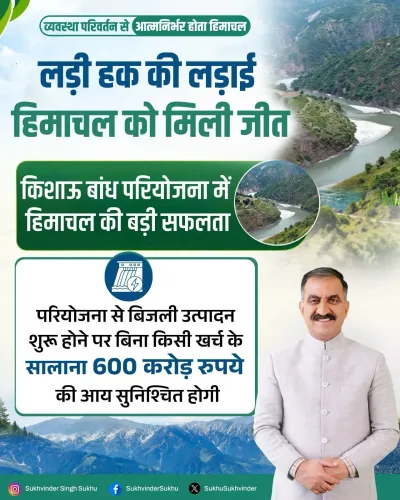
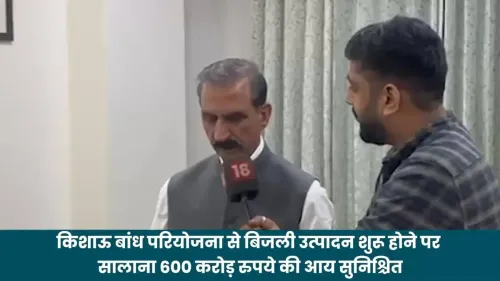
Himachal Pradesh is set to receive approximately Rs 600 crore in annual revenue from the project without making any direct financial investment.
CM Sukhu stated the state government is fully committed to the project while ensuring protection of the rights and interests of local residents.
Inter-state discussions on the Kishau dam in the Yamuna basin have been ongoing since the early 2000s, making this MoU a significant milestone.
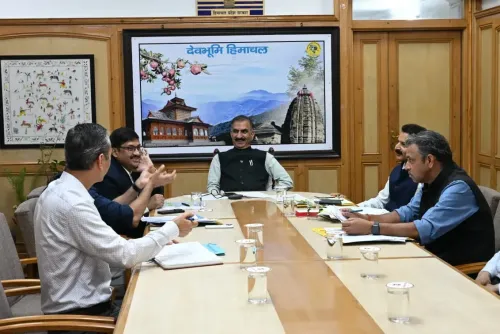
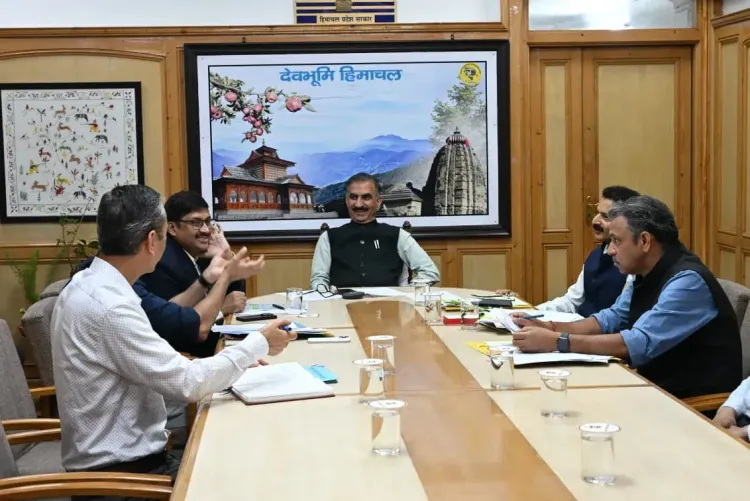
Himachal Pradesh Chief Minister Sukhvinder Singh Sukhu on Tuesday, 14 July 2026, chaired a high-level review meeting to examine the draft Memorandum of Understanding (MoU) for the Kishau Multipurpose Project, directing officials to expedite the agreement ahead of a formal signing ceremony expected to take place in the presence of Prime Minister Narendra Modi.
Context
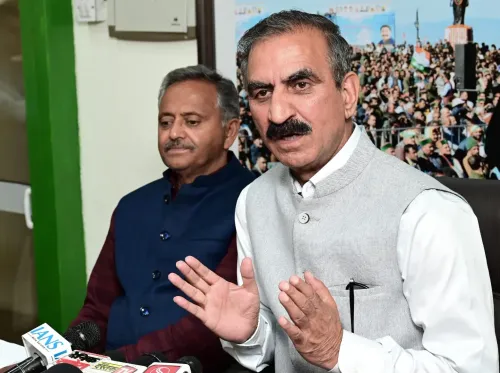
Posting on X, Chief Minister Sukhu stated that the meeting focused on reviewing the MoU draft for the Kishau Bahuddesheey Jal Vidyut Pariyojana (Kishau Multipurpose Hydroelectric Project) and issuing necessary directions to concerned officials. He noted that the MoU between partner states and the Union government is expected to be signed shortly in the presence of Prime Minister Modi. 'The state government is fully committed to implementing this project while ensuring the protection of the rights and interests of the people of the state,' Sukhu wrote.
The Chief Minister also confirmed that a recent meeting had arrived at a consensus on implementing the 422 MW Kishau Multipurpose Project, under which Himachal Pradesh will receive approximately Rs 600 crore in annual revenue without making any direct financial investment in the project.
Policy Backdrop
The Kishau dam project on the Tons River is a proposed joint venture between Himachal Pradesh, Uttarakhand, and the central government, with discussions around the Yamuna basin multipurpose project stretching back to the early 2000s. The project has historically been caught in inter-state negotiations over cost-sharing, water rights, and revenue distribution, making the current momentum toward an MoU a notable step forward.
The revenue-sharing model being pursued — where Himachal Pradesh secures a fixed annual return without bearing equity investment — reflects a broader pattern seen across Himalayan states negotiating large river-basin projects. Such arrangements are designed to balance local resource rights with the logistical and financial demands of transboundary river infrastructure.
Stakeholders and Impact
For the people of Himachal Pradesh, the project represents a significant revenue stream estimated at Rs 600 crore per year, which could fund state development programmes without placing a fiscal burden on the state exchequer. The hydropower sector stands to gain from the addition of 422 MW of generation capacity to the northern grid, contributing to India's clean energy targets.
Local communities along the Tons River valley, however, remain key stakeholders whose land, water, and livelihood rights will need to be addressed during the project's implementation phase. Chief Minister Sukhu's explicit reference to protecting 'the rights and interests of the people of the state' signals that these concerns are part of the state government's negotiating framework.
What's Next
The immediate milestone is the formal signing of the MoU between the partner states and the Union government, an event expected to be witnessed by Prime Minister Modi. Once signed, the next steps would involve the formation of a joint venture company or special purpose vehicle to oversee project execution.
The pace of environmental clearances, land acquisition, and inter-state coordination will determine how quickly the Kishau Multipurpose Project moves from agreement to ground-level implementation — a transition that large Himalayan hydropower projects have historically found challenging.
Point of View
With the prospect of a PM-witnessed signing adding ceremonial weight that could accelerate bureaucratic timelines. The zero-equity, fixed-revenue model Himachal Pradesh is pursuing is a significant precedent: it insulates the state from project cost overruns — a common feature of large Himalayan hydro projects — while locking in a substantial annual income stream. Sukhu's public emphasis on protecting local rights is also a calibrated political message to communities in the Tons valley who may be displaced or affected, suggesting the state is bracing for that conversation. If the MoU is signed as anticipated, it would mark one of the more consequential inter-state hydropower agreements in the Yamuna basin in recent memory.
NationPress
12 Oct 2026
Frequently Asked Questions
What is the Kishau Multipurpose Project?
The Kishau Multipurpose Project is a proposed 422 MW hydroelectric dam on the Tons River , planned as a joint venture between Himachal Pradesh , Uttarakhand , and the central government to harness the Yamuna basin's hydropower potential.
How much revenue will Himachal Pradesh earn from the Kishau project?
Himachal Pradesh is expected to earn approximately Rs 600 crore per year from the Kishau project without making any direct financial investment in the project.
When will the Kishau project MoU be signed?
The MoU is expected to be signed shortly in the presence of Prime Minister Narendra Modi , though an exact date has not been officially announced.
Who chaired the Kishau project MoU review meeting?
Himachal Pradesh Chief Minister Sukhvinder Singh Sukhu chaired the high-level review meeting on 14 July 2026 to examine the draft MoU and issue directions to officials.
What is the significance of the Kishau dam for Himachal Pradesh?
The Kishau dam offers Himachal Pradesh a major annual revenue source of around Rs 600 crore with no equity investment, while also contributing 422 MW of clean hydropower capacity to the northern grid, making it a fiscally and strategically important project for the state.