HP CM Office Reviews Kishau Multipurpose Project MoU Draft
Synopsis
The Chief Minister's Office of Himachal Pradesh chaired a high-level meeting on 14 July 2026 to review the draft MoU for the Kishau Multipurpose Project, a proposed joint dam with Uttarakhand on the upper Yamuna River, and directed officials on next steps toward formalising the inter-state agreement.
Key Takeaways
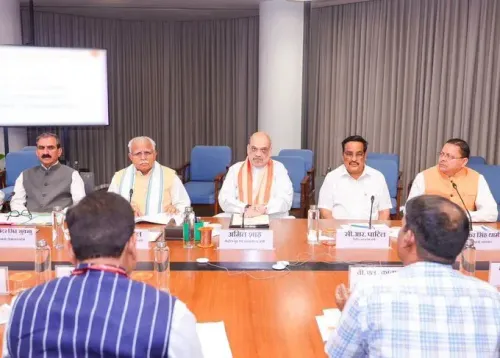
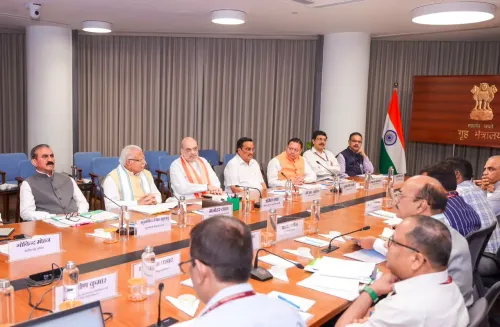
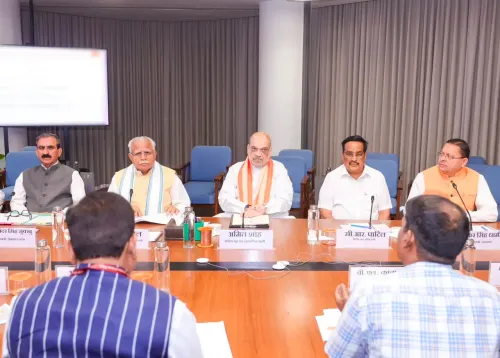
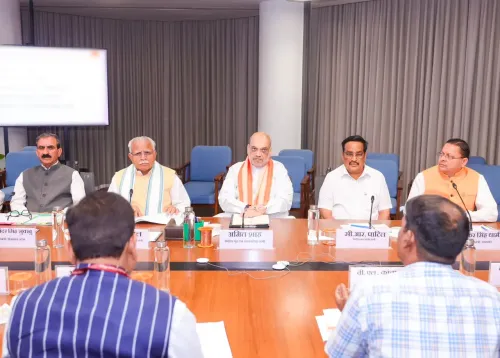
The Chief Minister's Office of Himachal Pradesh chaired a high-level meeting on 14 July 2026 to review the draft MoU for the Kishau Multipurpose Project .
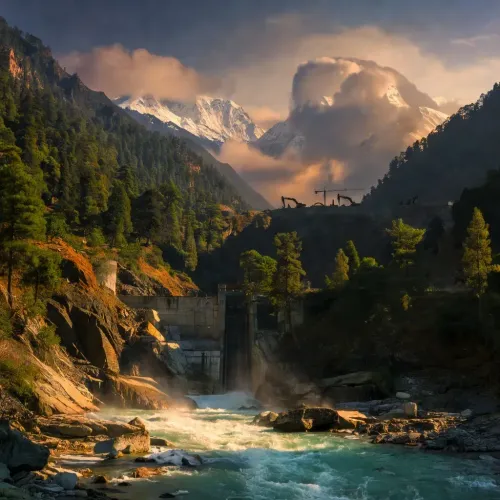
The Kishau Multipurpose Project is a proposed joint dam on the upper Yamuna River between Himachal Pradesh and Uttarakhand for hydropower and irrigation.
Necessary directions were issued to concerned officials following the review meeting.
Finalising the MoU is a prerequisite before both states can seek central environmental and investment clearances.
The project is part of India's broader strategy to expand hydroelectric capacity in the Himalayan states through inter-state cooperation.
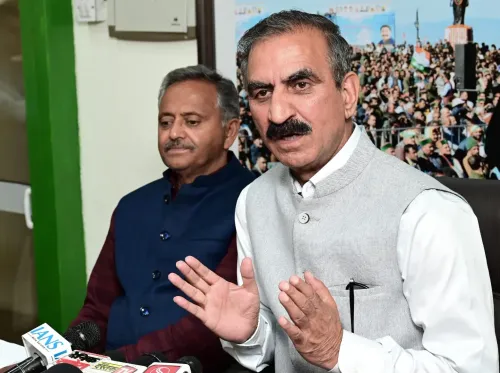
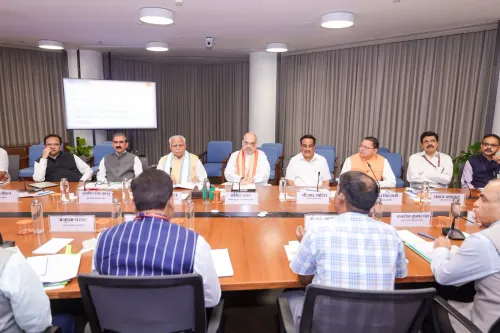
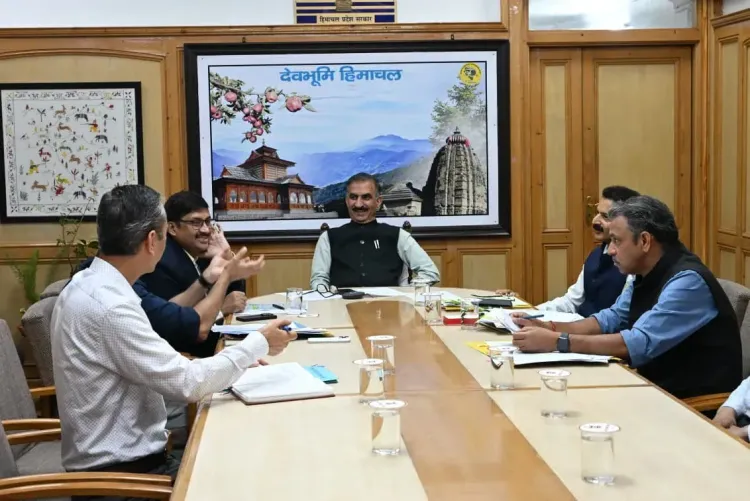
The Chief Minister's Office of Himachal Pradesh chaired a high-level meeting on Tuesday, 14 July 2026, to review the draft Memorandum of Understanding (MoU) for the Kishau Multipurpose Project and issued necessary directions to concerned officials.
The post stated: 'आज किशाऊ बहुउद्देश्यीय परियोजना के एमओयू के प्रारूप की समीक्षा के लिए आयोजित उच्च स्तरीय बैठक की अध्यक्षता की और संबंधित अधिकारियों को आवश्यक दिशा-निर्देश दिए।' — 'Today, presided over a high-level meeting convened to review the draft MoU of the Kishau Multipurpose Project, and issued necessary directions to the concerned officials.'
Context
The Kishau Multipurpose Project is a proposed joint dam on the upper Yamuna River, straddling the border between Himachal Pradesh and Uttarakhand. The project is designed to generate hydroelectric power and create irrigation storage capacity for the Yamuna basin region. Inter-state discussions on advancing the project have been ongoing since the 2000s.
Finalising a formal MoU between the two partner states is a critical procedural milestone. It precedes the filing of applications for central environmental clearances and investment approvals that large multipurpose dam projects require before construction can begin.
Policy Backdrop
Himachal Pradesh and Uttarakhand share jurisdiction over several river systems in the western Himalayas and have a history of coordinating on multipurpose infrastructure projects. The Kishau project fits within India's broader national strategy to expand hydroelectric generation capacity in the Himalayan states, reducing dependence on thermal power and supporting the country's renewable energy commitments.
High-level review meetings of this kind — where the Chief Minister's Office directly steers MoU drafting — signal that a project is being elevated in political and administrative priority. Such meetings typically result in revised timelines, clearer inter-departmental responsibilities, and accelerated correspondence with the partner state.
Stakeholders and Impact
Residents of the Yamuna valley in both Himachal Pradesh and Uttarakhand stand to be directly affected by the project, which promises improved irrigation access alongside power generation. Northern Indian power consumers could also benefit from additional hydroelectric supply fed into the regional grid once the project becomes operational.
Communities in the submergence zone of any proposed dam site, however, typically face displacement and rehabilitation concerns — issues that an MoU framework and subsequent environmental assessments would need to address. Coordination with the Government of Uttarakhand remains essential at every stage of the process.
What's Next
The immediate focus will be on incorporating the directions issued at the 14 July 2026 meeting into a revised MoU draft, which would then need to be agreed upon by both Himachal Pradesh and Uttarakhand before a formal signing ceremony. Once the MoU is executed, the states are expected to jointly approach the central government for environmental, forest, and investment clearances.
Progress on the Kishau Multipurpose Project will be a significant indicator of how effectively the two Himalayan states can coordinate on shared river-valley infrastructure — and of the pace at which India's inter-state hydropower pipeline is moving forward.
Point of View
And direct intervention at the highest executive level suggests political will to move toward a formal agreement with Uttarakhand. This fits a pattern across Himalayan states where hydropower projects are being revived as India races to meet its clean energy targets. The key test will be whether this meeting translates into a signed MoU and a joint clearance application within a defined timeframe.
NationPress
12 Oct 2026
Frequently Asked Questions
What is the Kishau Multipurpose Project?
The Kishau Multipurpose Project is a proposed joint dam on the upper Yamuna River, shared between Himachal Pradesh and Uttarakhand, designed to generate hydroelectric power and provide irrigation storage for the Yamuna basin.
Why is the Kishau Project MoU important?
The MoU between Himachal Pradesh and Uttarakhand is a critical milestone because it formally establishes each state's commitments and responsibilities, and is required before the states can jointly seek central environmental and investment approvals for the project.
What happened at the 14 July 2026 Kishau Project meeting?
The Chief Minister's Office of Himachal Pradesh chaired a high-level meeting on 14 July 2026 to review the draft MoU for the Kishau Multipurpose Project and issued directions to concerned officials on the way forward.
Which states are involved in the Kishau dam project?
Himachal Pradesh and Uttarakhand are the two partner states involved in the Kishau Multipurpose Project, as the proposed dam site lies on the upper Yamuna River along their shared boundary.
What are the benefits of the Kishau Multipurpose Project?
The project is expected to generate hydroelectric power for northern India's grid and improve irrigation access for Yamuna valley residents in both Himachal Pradesh and Uttarakhand.