Jal Shakti Minister Paatil Backs Kishau Dam Consensus
Synopsis
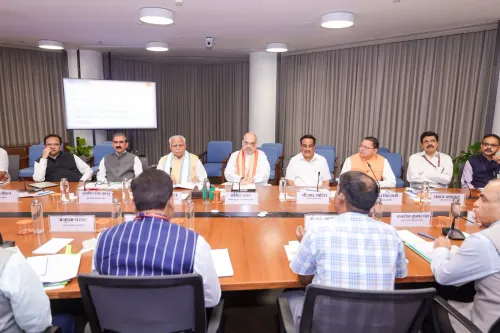
Union Jal Shakti Minister C. R. Paatil joined a high-level meeting chaired by Home Minister Amit Shah on June 16, 2026, where the concerned states reached consensus on the long-stalled Kishau Multipurpose Dam on the Tons river — a breakthrough for water conservation, irrigation, and hydropower in northern India.
Key Takeaways
Union Jal Shakti Minister C.
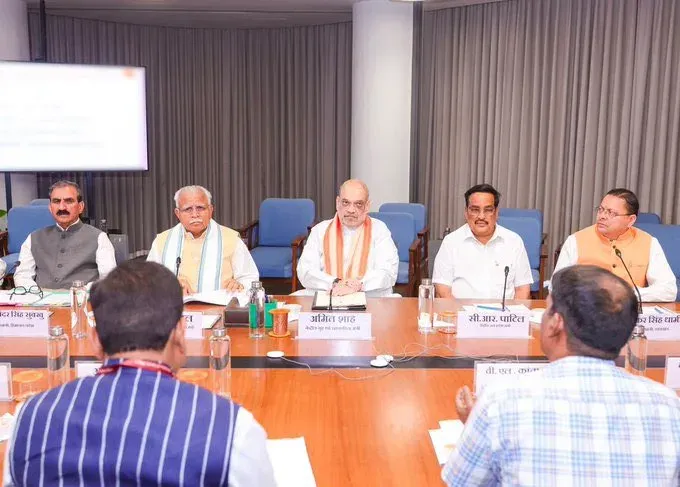
Paatil attended a high-level meeting in New Delhi on June 16, 2026 , chaired by Home Minister Amit Shah .
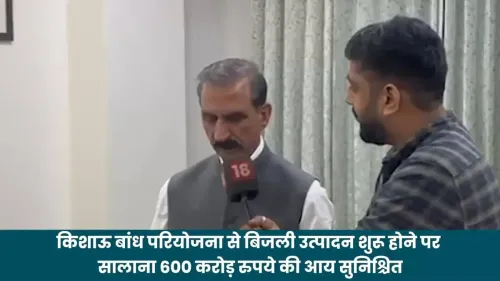
The concerned states reached a consensus on the Kishau Multipurpose Dam Project on the Tons river , a Yamuna tributary — breaking a deadlock that has persisted since the 1990s .
Uttarakhand is the host state for the dam site; Himachal Pradesh is the upper riparian state whose agreement was required for the project to proceed.
The dam is intended to advance water conservation, irrigation, hydropower generation , and regional development in northern India.
Paatil framed the consensus as a model of cooperative federalism and a step toward long-term national water security.
Remaining hurdles include cost-sharing finalisation, environmental clearances , and inclusion of project funding in future budgets.
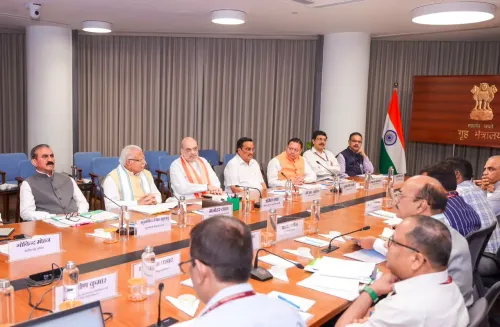
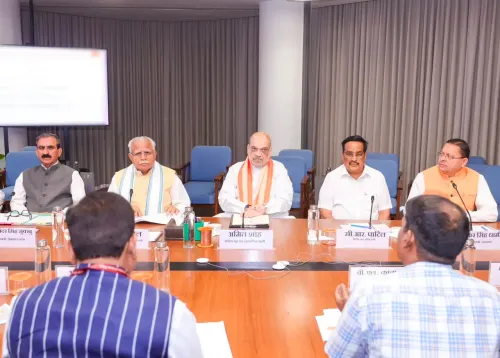
Union Jal Shakti Minister C. R. Paatil on Tuesday, June 16, 2026, participated in a high-level meeting in New Delhi chaired by Union Home and Cooperation Minister Amit Shah, where the long-pending Kishau Multipurpose Dam Project saw a breakthrough as the concerned states reached a consensus — a development Paatil described as a significant milestone in water resource management and cooperative federalism.
Context
Posting in Hindi on X, Paatil wrote that participating in the meeting was meaningful because the agreement among the states on the lamba samay se lambita (long-pending) Kishau dam project marks 'an important achievement in the direction of water resource management and cooperative federalism.' The minister added that the project 'will provide new momentum to water conservation, irrigation, hydropower generation, and regional development.'
The Kishau Multipurpose Dam is proposed on the Tons river, a tributary of the Yamuna, and has been stalled for decades due to unresolved inter-state differences, primarily between Uttarakhand — the host state where the dam site is located — and Himachal Pradesh, the upper riparian state whose consent is required for submergence zones and water-sharing arrangements.
Policy Backdrop
The Kishau project falls within the broader Upper Yamuna River Board framework, under which inter-state coordination on Yamuna basin infrastructure has been attempted since the 1990s. The project also aligns with the Pradhan Mantri Krishi Sinchayee Yojana, launched in 2015, which prioritises multipurpose dam completion to expand irrigation coverage.
The National Dam Safety Authority, established in 2021, added a new institutional layer for inter-state coordination and safety compliance on stalled Himalayan projects. The current government has repeatedly invoked cooperative federalism as a guiding principle to break such logjams through direct central facilitation at the ministerial level.
Stakeholders and Impact
The primary beneficiaries of the Kishau dam, once built, would include Uttarakhand farmers who stand to gain from expanded irrigation infrastructure, Himachal Pradesh residents in areas affected by the project's submergence zone, and northern power utilities that would draw on the dam's hydropower generation capacity.
Paatil underlined that 'coordinated efforts of the Centre and the states will further strengthen the goal of long-term water security and sustainable development for the country' — framing the consensus as a model for resolving similar disputes across other river basins.
What's Next
The political agreement reached at Tuesday's meeting is an early but critical step. Key milestones that will determine the project's actual trajectory include finalisation of cost-sharing ratios between the states, obtaining environmental and forest clearances, and securing dedicated project funding through the Union Budget or state development plans.
The Kishau consensus, if it holds, could serve as a template for other stalled inter-state water infrastructure projects in the Ganga and Brahmaputra basins, where similar decades-old disputes between riparian states have resisted resolution.
Point of View
And Shah's direct chairmanship signals that the government is treating water infrastructure as a flagship cooperative-federalism deliverable ahead of state elections in the region. Paatil's framing of the consensus under the #ViksitBharat banner also ties the dam to the government's broader 2047 development narrative, elevating a technical water-sharing dispute into a national-vision story. For the Jal Shakti Ministry, a formal inter-state agreement would be a rare tangible win in a portfolio otherwise dominated by ongoing pipeline and sanitation targets. Whether the political consensus survives the harder negotiations on cost-sharing and forest clearances will be the real test.
NationPress
18 Sept 2026
Frequently Asked Questions
What is the Kishau Multipurpose Dam Project?
The Kishau Multipurpose Dam is a long-pending infrastructure project proposed on the Tons river, a tributary of the Yamuna, designed to provide irrigation, hydropower generation, and water storage benefits primarily to Uttarakhand and Himachal Pradesh.
Why was the Kishau Dam project stalled for so long?
The project was delayed for decades due to unresolved inter-state disputes between Uttarakhand and Himachal Pradesh over submergence zones and water-sharing arrangements, which required political-level intervention to break the deadlock.
Who chaired the June 2026 meeting on the Kishau Dam?
Union Home and Cooperation Minister Amit Shah chaired the high-level meeting in New Delhi on June 16, 2026, where the states involved reached a consensus on the project.
What will the Kishau Dam provide once built?
According to Union Jal Shakti Minister C. R. Paatil, the project will deliver water conservation, expanded irrigation, hydropower generation, and broader regional development for northern India.
What are the next steps for the Kishau Dam after the 2026 agreement?
The key pending steps include finalising cost-sharing ratios between the states, obtaining environmental and forest clearances, and securing dedicated project funding in the Union Budget or state plans.