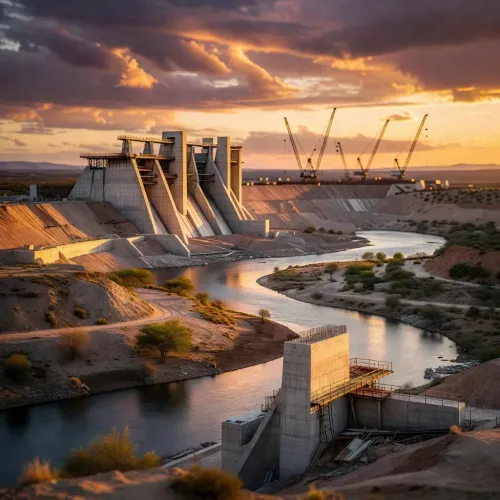
Kishau Dam Project: Six-state MoU signed under Amit Shah's chair
Synopsis
A dam proposal that sat unresolved for decades finally got a formal inter-state MoU on 15 September, with six Chief Ministers and the Union Jal Shakti Minister signing in New Delhi under Amit Shah's chair. The Kishau Multipurpose Dam Project is now a test of whether political consensus can be converted into concrete water infrastructure — a challenge that has defeated previous rounds of negotiation.
Key Takeaways
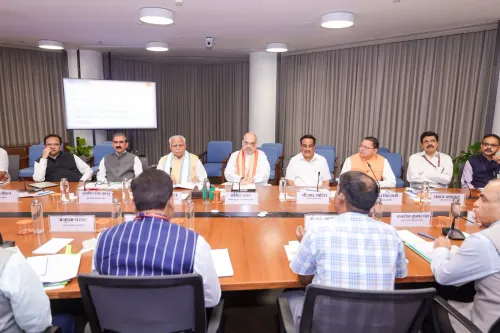
An MoU for the Kishau Multipurpose Dam Project was signed in New Delhi on 15 September 2026 under Union Home Minister Amit Shah's chairmanship.
Signatories included Union Jal Shakti Minister C.R.
Patil and the Chief Ministers of Rajasthan , Uttar Pradesh , Haryana , Himachal Pradesh , Uttarakhand , and Delhi .
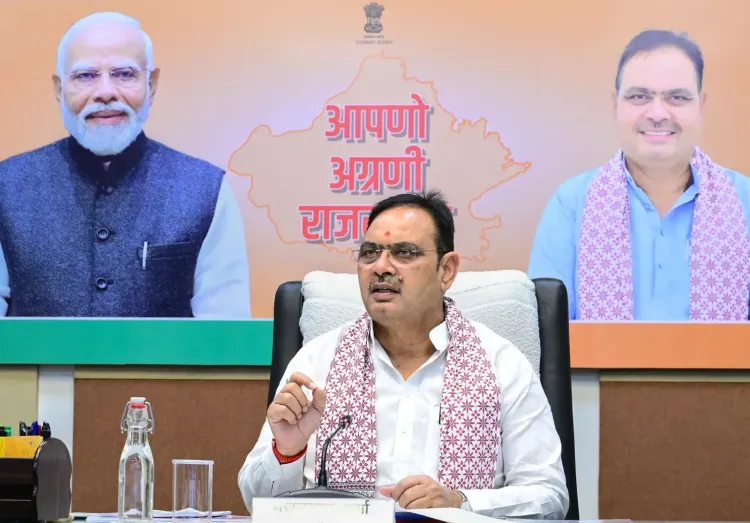
Rajasthan CM Bhajanlal Sharma called the agreement a historic step for the state's long-term water security, covering drinking water, irrigation, and development needs.
The project had remained pending for several decades due to inter-state disagreements over water allocation.
The MoU marks a political consensus; detailed implementation modalities and project timelines are yet to be finalised.
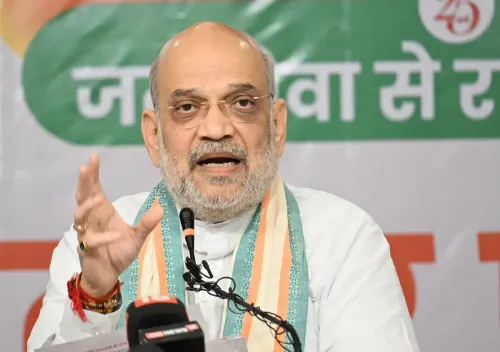
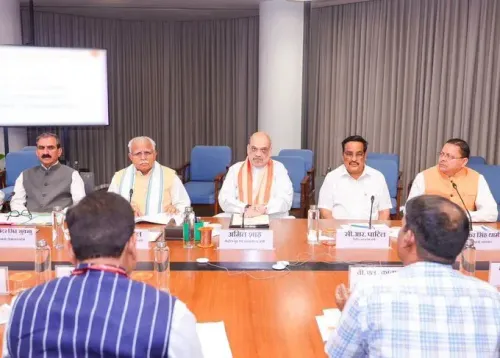
The decades-old Kishau Multipurpose Dam Project moved closer to realisation on 15 September 2026 after six states and the Centre signed a formal Memorandum of Understanding in New Delhi, ending a prolonged inter-state deadlock over one of India's longest-pending river water infrastructure proposals. The agreement was signed under the chairmanship of Union Home and Cooperation Minister Amit Shah.
Who Signed and What Was Agreed
Union Jal Shakti Minister C.R. Patil and the Chief Ministers of Rajasthan, Uttar Pradesh, Haryana, Himachal Pradesh, Uttarakhand, and Delhi signed the MoU. The agreement is intended to ensure coordinated implementation of the dam project, which is designed to address drinking water needs, irrigation requirements, and broader development goals across the participating states.
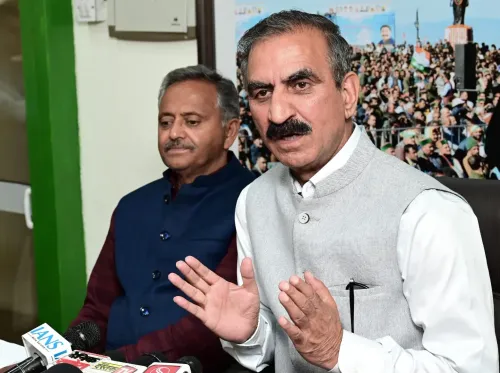
Those present included Uttar Pradesh Chief Minister Yogi Adityanath, Uttarakhand Chief Minister Pushkar Singh Dhami, Haryana Chief Minister Nayab Singh Saini, Delhi Chief Minister Rekha Gupta, and Himachal Pradesh Chief Minister Sukhvinder Singh Sukhu, along with ministers and senior officials from each state.
Rajasthan's Stake in the Agreement
Rajasthan Chief Minister Bhajanlal Sharma described the MoU as a historic step in strengthening long-term water security for the state. Sharma said the project would help ensure adequate availability of water for drinking, irrigation, and allied purposes in Rajasthan, and that its benefits would extend to future generations.
He also placed the Kishau agreement within a broader set of water-related milestones secured for Rajasthan, citing the Yamuna Water Agreement, the Ramjal Setu Link Project, and the Narmada Water Agreement as earlier gains under the same political leadership. According to Sharma, these agreements collectively form a foundation for the state's sustained water and development planning.
Centre's Role and Political Framing
Chief Minister Sharma expressed gratitude to Prime Minister Narendra Modi and Home Minister Amit Shah for providing the political impetus that enabled a consensus across six states with historically divergent water-sharing interests. He described the outcome as a practical expression of the Centre's 'Sabka Saath, Sabka Vikas, Sabka Prayas, Sabka Vishwas' framework, arguing that Modi-era coordination had unlocked agreements that predecessors could not.
The Kishau dam proposal has reportedly been in contention for several decades, with disputes over water allocation among the riparian states being the primary barrier to progress. The MoU is considered a political agreement to move forward rather than a final technical settlement, with detailed implementation modalities expected to follow.
What Happens Next
The signing of the MoU is seen as an enabling step rather than a conclusive one. Coordinated implementation across six states — each with its own water and agricultural priorities — will require sustained administrative follow-through. The Rajasthan government has stated that the agreement is expected to accelerate efforts towards expanded irrigation potential and sustainable development in the state. Industry observers and water policy experts will watch whether the MoU translates into budgetary commitments and project timelines within the coming months.
Point of View
But the harder work begins now. Multi-state water agreements in India have a long history of stalling between signing and implementation, as allocation disputes resurface during detailed project planning. With six states — each carrying distinct agricultural and urban water lobbies — the MoU is only as durable as the Centre's willingness to arbitrate the inevitable disagreements that follow. The framing of this as a Modi-era cooperative federalism win is politically coherent, but the Kishau dam's true legacy will be written by whether shovels hit ground within a credible timeline.
NationPress
15 Sept 2026
Frequently Asked Questions
What is the Kishau Multipurpose Dam Project?
The Kishau Multipurpose Dam Project is a long-pending inter-state water infrastructure proposal designed to address drinking water, irrigation, and development needs across multiple states in northern India. The project had remained unresolved for decades due to disagreements over water allocation among the riparian states.
Which states signed the Kishau Dam MoU and when?
The MoU was signed on 15 September 2026 in New Delhi by the Chief Ministers of Rajasthan, Uttar Pradesh, Haryana, Himachal Pradesh, Uttarakhand, and Delhi, along with Union Jal Shakti Minister C.R. Patil, under the chairmanship of Home Minister Amit Shah.
Why does the Kishau Dam agreement matter for Rajasthan?
Rajasthan Chief Minister Bhajanlal Sharma described it as a critical step in securing the state's long-term water availability for drinking and irrigation purposes. He also placed it alongside earlier agreements — the Yamuna Water Agreement, Ramjal Setu Link Project, and Narmada Water Agreement — as part of a broader water security strategy for the state.
Is the MoU the final approval for the Kishau Dam Project?
No. The MoU is a political agreement to move forward on coordinated implementation and does not constitute final technical or financial sanction. Detailed project timelines, budgetary commitments, and allocation modalities are expected to be worked out in subsequent rounds.
Who chaired the Kishau Dam MoU signing ceremony?
Union Home and Cooperation Minister Amit Shah chaired the signing meeting in New Delhi on 15 September 2026. Prime Minister Narendra Modi was credited by the participating Chief Ministers for providing the political leadership that enabled the six-state consensus.