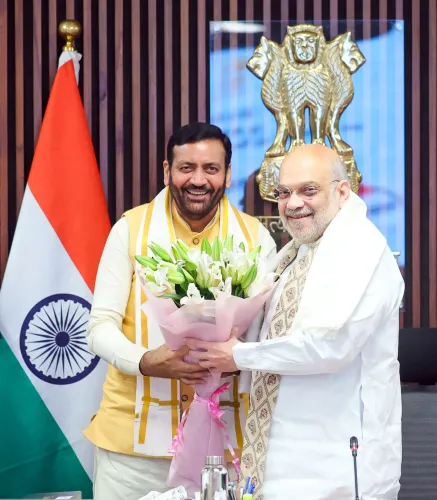
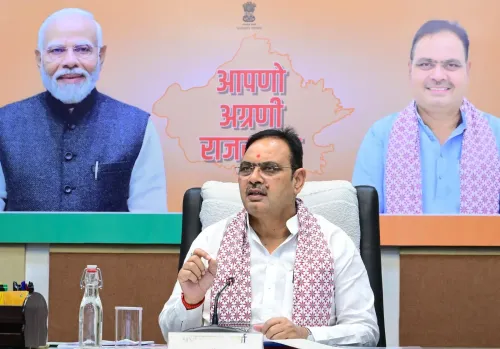
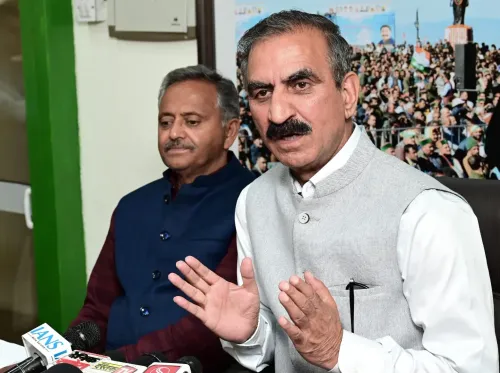
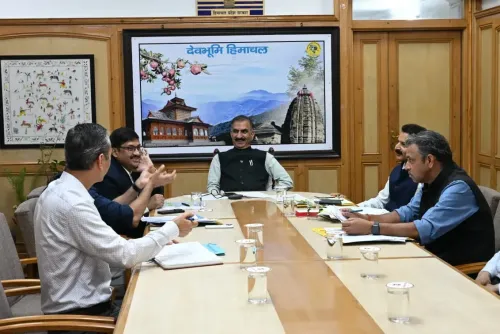
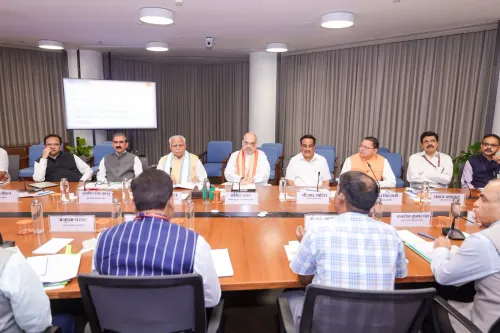
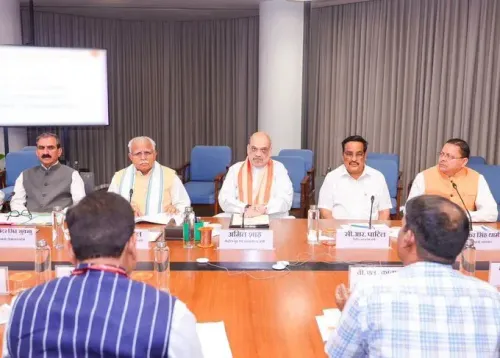
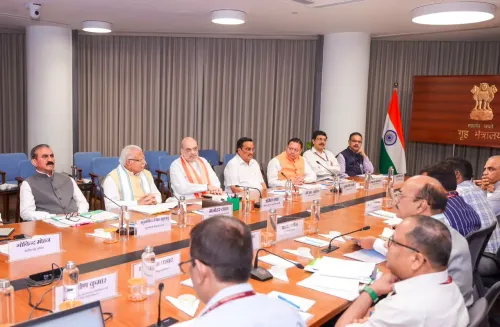
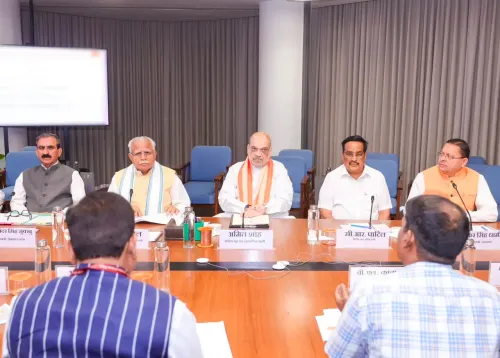
CM Dhami joins Kishau Dam MoU meet chaired by Amit Shah
Synopsis
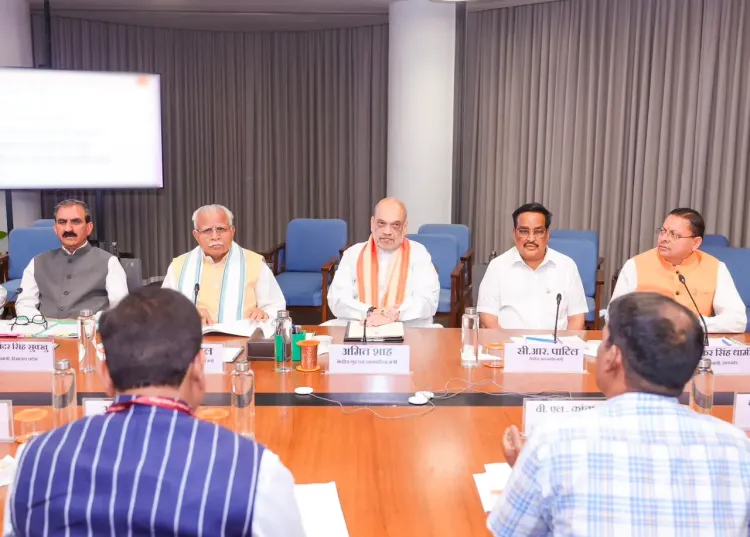
Uttarakhand CM Pushkar Singh Dhami joined a New Delhi meeting chaired by Home Minister Amit Shah on 16 June 2026, where six northern states agreed on an MoU for the long-pending Kishau Multipurpose Dam Project on the Yamuna River, marking a major step in cooperative federalism.
Key Takeaways
Uttarakhand CM Pushkar Singh Dhami attended a high-level meeting in New Delhi on 16 June 2026 chaired by Union Home Minister Amit Shah .
Six states — Uttarakhand, Himachal Pradesh, Delhi, Uttar Pradesh, Haryana , and Rajasthan — reached consensus on signing an MoU for the Kishau Multipurpose Dam Project .
The meeting also produced agreement on a balanced resolution of water and energy interests among the participating states.
The project aims at Yamuna River rejuvenation , clean water flow augmentation, and long-term water security for future generations.
Union Power Minister Manohar Lal Khattar and Union Jal Shakti Minister C.
Patil were present at the meeting.
CM Dhami described the consensus as a historic achievement in the national interest, enabled through cooperative federalism under PM Modi's leadership.
Uttarakhand Chief Minister Pushkar Singh Dhami attended a high-level inter-state meeting in New Delhi on Tuesday, 16 June 2026, chaired by Union Home and Cooperation Minister Amit Shah, to advance the long-pending Kishau Multipurpose Dam Project on the Yamuna River. States including Himachal Pradesh, Delhi, Uttar Pradesh, Haryana, and Rajasthan reached a consensus to sign a Memorandum of Understanding (MoU) for the project's implementation.
Context
CM Dhami posted on X that the meeting produced agreement on an MoU among the participating states — "समझौता ज्ञापन (MOU) पर सहमति बनी" [consensus reached on a Memorandum of Understanding]. The states also agreed on a balanced resolution of water and energy interests. Dhami described the development as a "ऐतिहासिक उपलब्धि" [historic achievement] in the national interest, enabled through cooperative federalism and dialogue.
Union Minister of Power Manohar Lal Khattar and Union Minister of Jal Shakti C. R. Patil were also present at the meeting, reflecting the project's dual mandate of water storage and hydropower generation.
Policy Backdrop
The Kishau Multipurpose Dam Project is a proposed structure on the Yamuna River designed for water storage, hydropower production, and flood moderation. Inter-state discussions around the project have formed part of broader Yamuna basin water-sharing frameworks that date to the 1990s and have been reviewed periodically by the Central Water Commission.
The project has remained pending for decades due to the complexity of aligning the water and energy interests of multiple riparian states. The National Water Policy framework has consistently emphasised negotiated allocation of river-basin resources over unilateral state action, a principle that this meeting appears to have operationalised.
CM Dhami credited Prime Minister Narendra Modi's leadership and Home Minister Amit Shah's guidance for breaking the longstanding deadlock, framing the consensus as a model of cooperative federalism.
Stakeholders and Impact
The six states party to the proposed MoU — Uttarakhand, Himachal Pradesh, Delhi, Uttar Pradesh, Haryana, and Rajasthan — together constitute a large share of the Yamuna basin's population and agricultural demand. A functional Kishau dam is expected to augment clean water flow, improve water security for future generations, and contribute to the rejuvenation of the Yamuna River, as Dhami's post stated.
Hydropower generated by the project would benefit the northern grid, aligning with the centre's renewable-energy expansion targets. Farmers and urban water utilities across the basin states stand to gain from more predictable water availability, particularly during lean-flow seasons.
What's Next
The consensus reached at the meeting is a political and administrative milestone, but the formal signing of the MoU, followed by environmental and forest clearances, will be the next critical steps before construction can begin. Funding commitments — whether through the Union Budget or a NITI Aayog review — will determine the pace of implementation.
Observers will watch whether the inter-state agreement translates into a legally binding document and whether the centre announces dedicated financing for what would be one of the most significant Yamuna basin infrastructure projects in recent decades.
Point of View
The Modi government has elevated the project from a technical file to a political priority, lending it the weight needed to push reluctant states toward agreement. The framing of the outcome as 'cooperative federalism' is deliberate: it positions the BJP-led centre as a neutral broker rather than a partisan actor in a region where water politics are electorally sensitive. Whether the MoU consensus survives the harder negotiations over cost-sharing, power allocation, and environmental clearances will be the true test of this diplomatic achievement.
NationPress
16 Sept 2026
Frequently Asked Questions
What is the Kishau Multipurpose Dam Project?
The Kishau Multipurpose Dam Project is a proposed dam on the Yamuna River designed for water storage, hydropower generation, and flood moderation, benefiting multiple northern Indian states. It has been under inter-state discussion since the 1990s.
Which states are part of the Kishau Dam MoU?
Six states reached consensus on the MoU: Uttarakhand, Himachal Pradesh, Delhi, Uttar Pradesh, Haryana, and Rajasthan, all of which are part of the Yamuna river basin.
Who chaired the Kishau Dam meeting on 16 June 2026?
Union Home and Cooperation Minister Amit Shah chaired the inter-state meeting in New Delhi on 16 June 2026. Union Power Minister Manohar Lal Khattar and Union Jal Shakti Minister C. R. Patil also attended.
What will the Kishau Dam do for the Yamuna River?
The Kishau dam is expected to rejuvenate the Yamuna River by augmenting clean water flow, improving water security for future generations, and helping moderate floods in the basin.
What are the next steps after the Kishau Dam MoU consensus?
The formal signing of the MoU is the immediate next step, followed by environmental and forest clearances and central funding commitments, before construction on the Kishau dam can begin.