Kishau Dam project: Amit Shah brokers 6-state consensus to revive Yamuna
Synopsis
After years of inter-state deadlock, Home Minister Amit Shah brokered a rare six-state consensus on the Kishau Multipurpose Dam Project on 16 June — with the Centre agreeing to fund 90% of the water component. The deal, which reallocates Himachal Pradesh's water share to Delhi and Rajasthan, could be the most consequential step yet toward reviving the Yamuna.
Key Takeaways
Home Minister Amit Shah chaired the meeting on 16 June that achieved consensus on the Kishau Multipurpose Dam Project .
The Central Government will fund 90 per cent of the water component cost; the remaining 10 per cent is shared among six states .
Himachal Pradesh's water share will be allocated to Delhi and Rajasthan in exchange for their contribution to HP's power component costs.
States of Himachal Pradesh , Uttarakhand , Delhi , Uttar Pradesh , Haryana , and Rajasthan agreed to sign an MoU for the project.
The project will go before the Union Cabinet for approval after the MoU is signed.
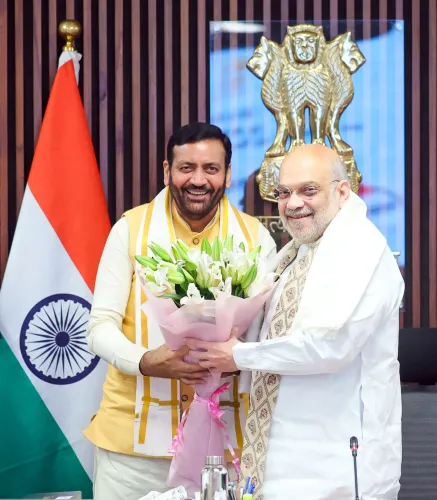
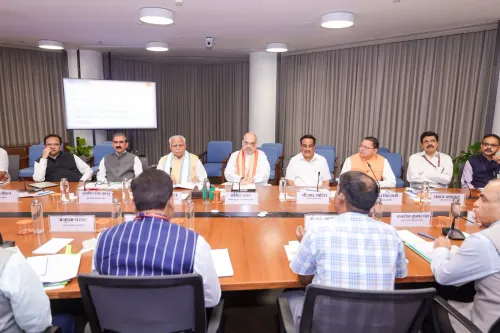
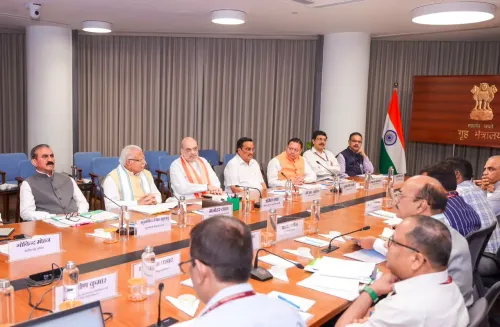
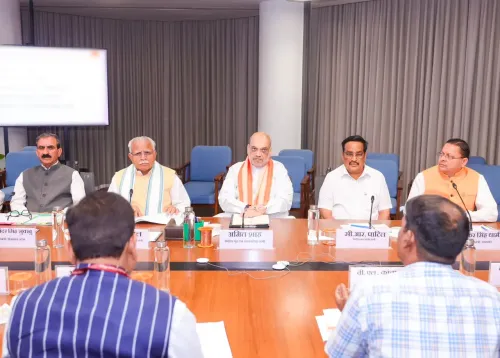
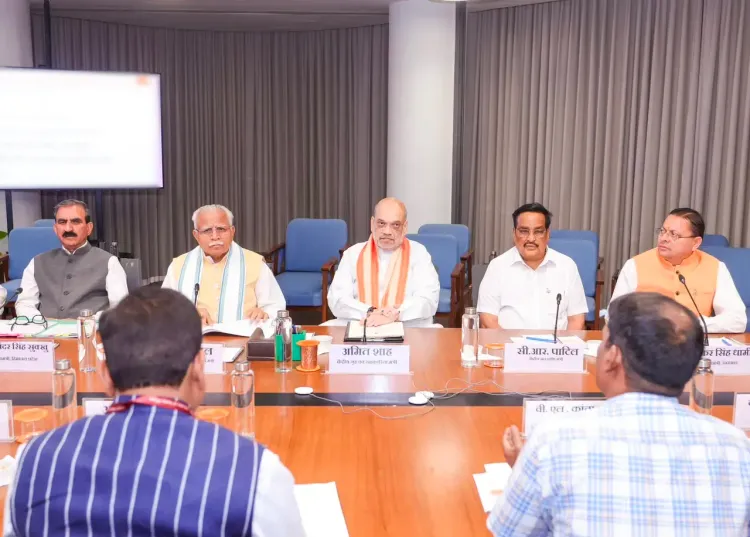
Home Minister Amit Shah on Tuesday, 16 June chaired a high-level meeting in New Delhi that achieved a breakthrough consensus among six states on the long-stalled Kishau Multipurpose Dam Project, located on the Uttarakhand-Himachal Pradesh border. The agreement marks a significant step toward reviving the Yamuna river, which has been at the centre of inter-state water disputes for decades.
Key Terms of the Agreement
Under the consensus reached at the meeting, the Central Government will bear 90 per cent of the cost of the water component of the project as Central Assistance, with the remaining 10 per cent to be shared among the six participating states. Separately, the meeting resolved a longstanding sticking point by agreeing to allocate Himachal Pradesh's share of water to Delhi and Rajasthan, in exchange for those states sharing the cost of Himachal Pradesh's portion of the power component.
MoU and Cabinet Approval
The states of Himachal Pradesh, Uttarakhand, Delhi, Uttar Pradesh, Haryana, and Rajasthan agreed to sign a Memorandum of Understanding (MoU) for the implementation of the project. Following the signing of the MoU, the project will be placed before the Union Cabinet for formal approval, according to an official statement.
Who Attended the Meeting
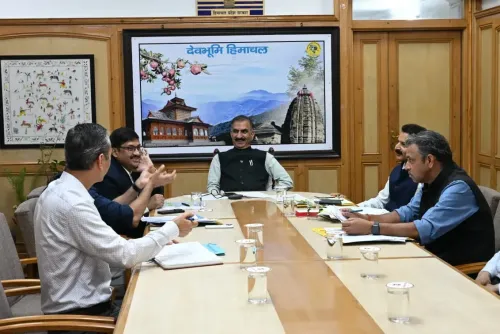
The meeting brought together a high-powered assembly of officials and elected leaders. Union Minister of Power Manohar Lal Khattar, Union Minister of Jal Shakti C. R. Patil, Himachal Pradesh Chief Minister Sukhvinder Singh Sukhu, and Uttarakhand Chief Minister Pushkar Singh Dhami were among those present. Senior officials from the Ministry of Home Affairs, the Prime Minister's Office, the Ministry of Jal Shakti, and the Ministry of Power also attended, alongside the Union Home Secretary and the Union Water Resources Secretary.
Why the Kishau Dam Matters
The Kishau dam project has remained unresolved for several years, held back by disagreements over water and cost-sharing among the riparian states. A successful resolution is expected to significantly increase the flow of clean water into the Yamuna, a river that runs through multiple states and serves as a critical water source for millions, particularly in Delhi. This comes amid sustained public and judicial pressure to restore the Yamuna's ecological health. Notably, the Centre's role in brokering this deal reflects a broader pattern of using inter-ministerial dialogue to unlock infrastructure projects stalled by inter-state friction.
What Happens Next
The formal signing of the MoU by all six states is the immediate next step, after which the project file moves to the Union Cabinet. If Cabinet clearance follows, the Kishau dam could finally advance from decades of deliberation to active implementation — a development that would have direct consequences for water security across northern India.
Point of View
Environmental approvals, land acquisition, and construction financing all remain to be navigated. The 90% Central funding offer is a significant concession designed to remove the cost-sharing deadlock, but it also sets a precedent that other stalled inter-state water projects will inevitably cite. The Yamuna's revival depends not just on new dams but on the entire upstream-downstream pollution and flow regime — the Kishau project addresses supply, but demand-side and pollution-side challenges remain unresolved and largely unaddressed by this agreement.
NationPress
17 Sept 2026
Frequently Asked Questions
What is the Kishau Multipurpose Dam Project?
The Kishau Multipurpose Dam Project is a long-pending infrastructure initiative on the border of Uttarakhand and Himachal Pradesh, designed to harness water and power resources from the region. It involves six states — Himachal Pradesh, Uttarakhand, Delhi, Uttar Pradesh, Haryana, and Rajasthan — and is expected to significantly increase the flow of clean water into the Yamuna river.
What was agreed at the meeting chaired by Amit Shah on 16 June?
The meeting reached a consensus that the Central Government will bear 90 per cent of the water component cost of the Kishau project as Central Assistance, with the remaining 10 per cent shared by the six participating states. It was also agreed that Himachal Pradesh's water share would be allocated to Delhi and Rajasthan in exchange for their contribution to HP's power component costs.
Which states are part of the Kishau dam agreement?
Six states — Himachal Pradesh, Uttarakhand, Delhi, Uttar Pradesh, Haryana, and Rajasthan — agreed to sign a Memorandum of Understanding (MoU) for the implementation of the Kishau Multipurpose Dam Project.
What happens after the MoU is signed?
Once the six states formally sign the MoU, the Kishau Multipurpose Dam Project will be placed before the Union Cabinet for approval. Cabinet clearance is the next major procedural milestone before the project can move toward implementation.
How will the Kishau dam help the Yamuna river?
The project is expected to increase the flow of clean water into the Yamuna, which has faced severe ecological stress due to pollution and reduced water levels. Resolving the inter-state deadlock on the dam is seen as a significant step in the long-term rejuvenation of the river.