CM Bhajan Lal Hails Kishau Dam MoU as Historic Water Win
Synopsis
Rajasthan Chief Minister Bhajan Lal Sharma on June 16, 2026, hailed a six-state MoU for the Kishau Multi-Purpose Project as historic, noting the Centre will bear 90 per cent of the water-component cost — a major step for Rajasthan's long-term water security.
Key Takeaways
Six states, including Rajasthan , reached agreement on an MoU for the Kishau Multi-Purpose Project on June 16, 2026 .
The project is a dam initiative on the Yamuna river targeting irrigation, drinking water and power generation across northern India.
The Central government will fund 90 per cent of the project's water component expenditure.
CM Bhajan Lal Sharma credited PM Narendra Modi , Home Minister Amit Shah and the Union Jal Shakti Minister for the breakthrough.
The agreement is expected to provide additional water to Rajasthan for agriculture, drinking water and future generations.
Implementation will proceed through joint committees, detailed project reports and formal fund-release timelines.
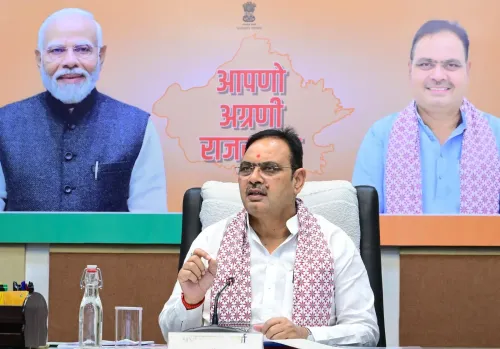
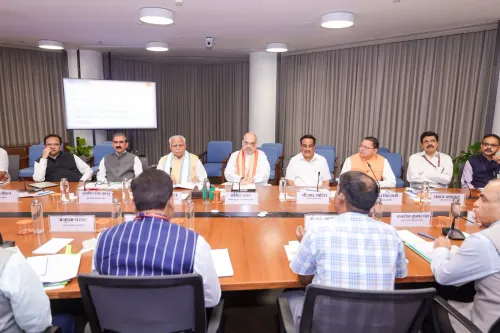
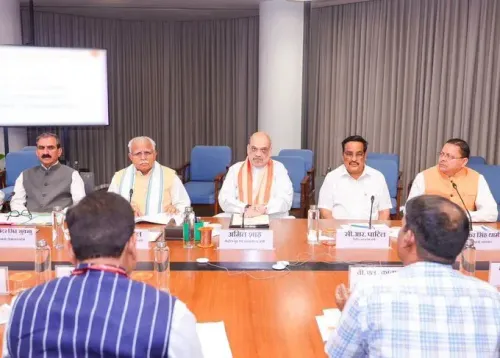
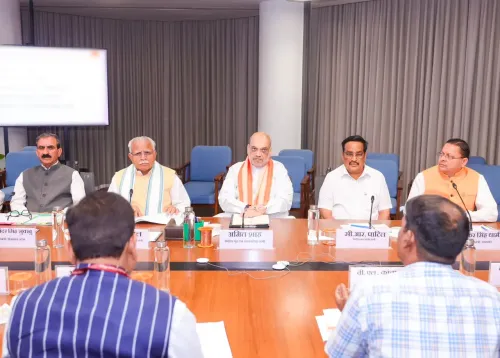
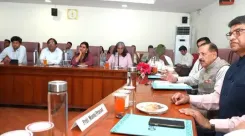
Rajasthan Chief Minister Bhajan Lal Sharma on Tuesday, June 16, 2026, called the day 'extremely important, historic and joyous' for the state after an agreement was reached among six states, including Rajasthan, to implement the Kishau Multi-Purpose Project — a major dam initiative on the Yamuna river aimed at securing water, irrigation and power for millions across northern India.
Context
Posting in Hindi on X, CM Sharma described the inter-state MoU as 'ek aitihasik kadam' (a historic step) towards water security, prosperity and a bright future for crores of Rajasthan's citizens. He credited Prime Minister Narendra Modi's 'visionary guidance and able leadership' for making the agreement possible. The post also expressed gratitude to Union Home and Cooperation Minister Amit Shah and the Union Jal Shakti Minister on behalf of the people of Rajasthan.
The Kishau Multi-Purpose Project is a long-proposed dam on the Yamuna river system designed to serve irrigation, drinking water and power generation needs across participating northern states. Rajasthan, an arid state in western India, has historically faced chronic water scarcity and depends heavily on inter-state river water allocations to meet agricultural and domestic demand.
Policy Backdrop
A defining feature of the agreement highlighted by CM Sharma is the central government's commitment to bear 90 per cent of the expenditure on the water component of the project. He described this as 'a strong example of cooperative federalism, sensitive leadership and the Centre's unwavering commitment to public welfare.' This high central funding share follows a broader pattern in which the Modi government has structured multi-state Himalayan river projects to reduce the financial burden on state governments, particularly those with limited fiscal capacity.
Inter-state water-sharing agreements of this scale typically require the formation of joint committees, preparation of detailed project reports and formal fund-release timelines before construction activity begins. The MoU reached on June 16, 2026 represents the political and administrative consensus stage of that longer process.
Stakeholders and Impact
Rajasthan's farmers stand to be among the primary beneficiaries, gaining access to additional irrigation water that could reduce dependence on groundwater and monsoon variability. CM Sharma specifically noted that the project 'will provide additional water to Rajasthan, fulfilling present needs while also ensuring a strong foundation of water resources for future generations.' Drinking water supply and overall development were also cited as sectors set to receive new momentum.
Five other northern states are party to the MoU, making this a significant exercise in cooperative river-basin management. Such multi-state frameworks are considered essential for equitable distribution of Himalayan river flows, which are shared across state boundaries and subject to seasonal variation.
What's Next
The MoU signing marks the beginning of a multi-stage implementation process. Stakeholders and policy watchers will monitor the constitution of joint inter-state committees, the commissioning of detailed project reports and the pace at which the Centre's 90 per cent funding commitment is formalised into budget allocations. Progress on the Kishau project will be a key metric for CM Sharma's administration as it seeks to address Rajasthan's long-standing water deficit. The agreement also signals the Centre's continued use of high-subsidy, multi-state infrastructure models to advance its cooperative federalism agenda ahead of future electoral cycles.
Point of View
Allowing him to demonstrate early delivery on water security — a perennial concern in arid Rajasthan — barely into his tenure. The Centre's decision to shoulder 90 per cent of the water-component cost is consistent with a deliberate strategy of using high central subsidy ratios to bind BJP-governed states into flagship infrastructure narratives ahead of electoral cycles. However, the gap between MoU consensus and actual water delivery on Himalayan dam projects has historically been wide, with detailed project reports, environmental clearances and inter-state disputes capable of stretching timelines by years. The announcement's political value is immediate; its developmental impact will depend entirely on the speed and rigour of follow-through.
NationPress
15 Sept 2026
Frequently Asked Questions
What is the Kishau Multi-Purpose Project?
The Kishau Multi-Purpose Project is a proposed dam on the Yamuna river system designed to provide irrigation, drinking water and hydroelectric power to several northern Indian states, including Rajasthan.
How many states signed the Kishau dam MoU?
Six states, including Rajasthan, reached agreement on the MoU for the Kishau Multi-Purpose Project on June 16, 2026.
How much will the Central government fund for the Kishau project?
The Central government has committed to bearing 90 per cent of the expenditure on the water component of the Kishau Multi-Purpose Project.
What does the Kishau project mean for Rajasthan's farmers?
Rajasthan's farmers are expected to gain access to additional irrigation water, reducing dependence on groundwater and monsoon rainfall and supporting agricultural growth in the arid state.
What happens after the Kishau MoU is signed?
Following the MoU, the next steps involve formation of joint inter-state committees, preparation of detailed project reports and formalisation of central fund-release timelines before construction can begin.