Kishau Dam MoU: Anurag Thakur slams Congress over 60-year delay, credits Modi govt
Synopsis
After six decades of inaction, a ₹15,000 crore MoU for the 422 MW Kishau Multipurpose Project was signed by six state CMs — and BJP's Anurag Thakur wasted no time turning it into a political flashpoint, slamming Congress for the delay and questioning why Himachal CM Sukhu is claiming credit when the Centre is footing 90% of the bill.
Key Takeaways
BJP MP Anurag Thakur credited the Modi government for resolving the six-decade deadlock on the Kishau Multipurpose Project on 16 September 2026 .
The ₹15,000 crore MoU for the 422 MW project was signed on 15 September by Chief Ministers of six states — Himachal Pradesh, Uttarakhand, Uttar Pradesh, Haryana, Rajasthan, and Delhi.
Union Home Minister Amit Shah and Union Jal Shakti Minister C.R.
Patil were present at the signing.
Thakur stated the Centre is bearing 90% of the total project expenditure.
The project will next go before the Union Cabinet for formal approval before implementation begins.
Thakur accused successive Congress governments of failing to resolve the issue over 50–60 years .
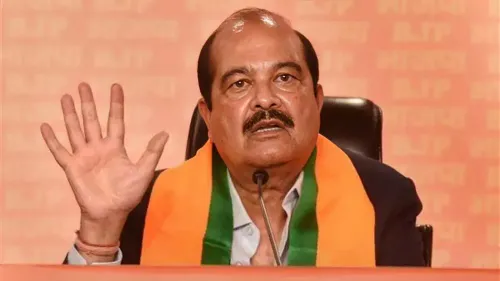
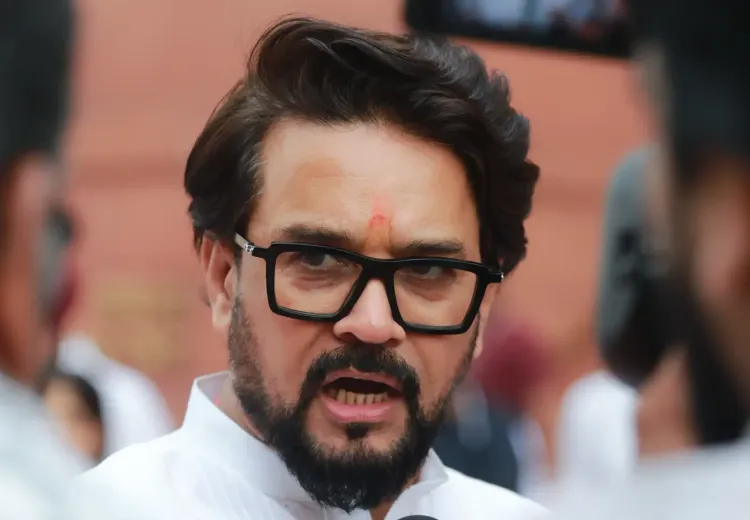
BJP MP Anurag Thakur on Wednesday, 16 September 2026, credited the Centre for breaking the six-decade deadlock on the Kishau Multipurpose Project and launched a sharp attack on Himachal Pradesh Chief Minister Sukhvinder Singh Sukhu for allegedly claiming credit for the breakthrough — a day after the landmark ₹15,000 crore deal was formalised.
The MoU That Ended a Six-Decade Wait
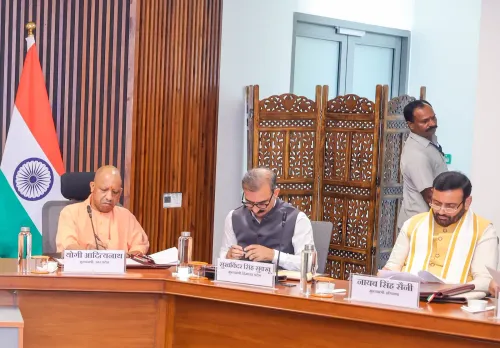
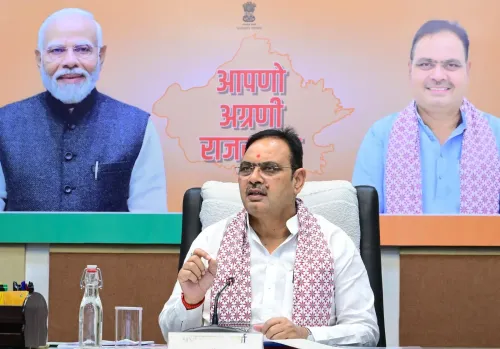
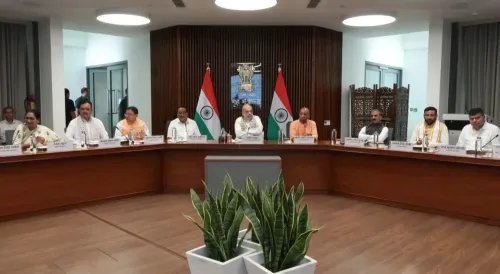
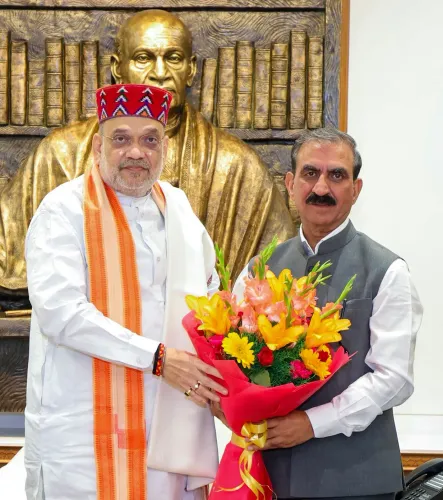
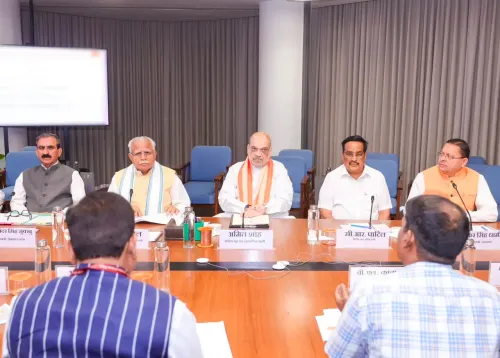
The Memorandum of Understanding (MoU) for the 422 MW Kishau Multipurpose Project was signed on Tuesday, 15 September, by the Chief Ministers of six states — Himachal Pradesh CM Sukhvinder Singh Sukhu, Uttarakhand CM Pushkar Singh Dhami, Uttar Pradesh CM Yogi Adityanath, Haryana CM Nayab Singh Saini, Rajasthan CM Bhajanlal Sharma, and Delhi CM Rekha Gupta. Union Home Minister Amit Shah and Union Jal Shakti Minister C.R. Patil were present at the signing ceremony. The project had remained stalled for decades due to unresolved disputes over financial burden-sharing and the distribution of benefits among the participating states.
What Anurag Thakur Said
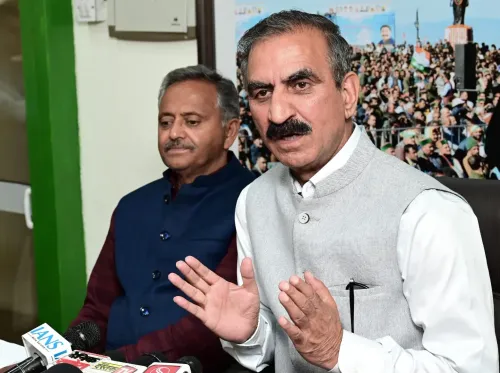
Speaking to reporters in New Delhi, Thakur said the impasse had persisted through multiple Congress administrations at both the Centre and state levels without resolution. "This was a six-decade-old problem. Several Congress governments came and went, from the Centre to the states, but they could not resolve this issue. Under the direction of Prime Minister Narendra Modi, the Union Home Minister and the Union Jal Shakti Minister held meetings with the Chief Ministers of six states and resolved this issue," he said.
Thakur described the multi-state agreement as a model of cooperative federalism. "When we talk about cooperative federalism and cooperation between governments, this is a living example of strengthening that spirit," he added.
The Credit Dispute With Himachal CM
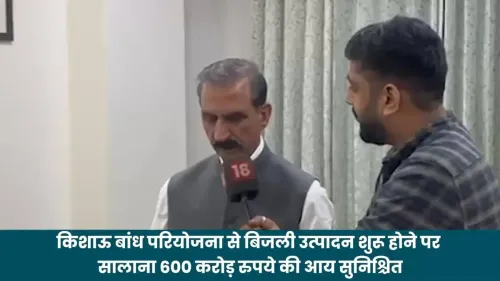
Thakur reserved pointed criticism for CM Sukhu, noting that the Centre is bearing 90 per cent of the project's total expenditure. "As far as the cost is concerned, the Centre is bearing 90 per cent of the expenditure. Yet some people are trying to take credit. If the Himachal Chief Minister wants to take credit, he should explain why Congress governments could not resolve this issue in the past 50–60 years," Thakur said.
What the Project Will Deliver
The Kishau Multipurpose Project is designed to generate 422 MW of hydropower while addressing long-term water supply needs of the participating states. Thakur said the agreement would help meet "the huge water requirements that will arise for future generations" alongside fulfilling power needs. The project will now be placed before the Union Cabinet for formal approval before implementation begins.
What Comes Next
Following Cabinet clearance, the project can advance to implementation — a process that will involve detailed project planning, environmental clearances, and inter-state coordination on benefit distribution. The signing marks a politically significant moment, though observers note that the distance from MoU to operational dam has historically been long in large multipurpose infrastructure projects in India. Whether the momentum built around the signing translates into on-ground progress will be closely watched by the states involved and by the communities dependent on the Kishau basin.
Point of View
But the BJP is equally invested in ensuring Congress-ruled Himachal Pradesh does not harvest electoral goodwill from a deal where the Centre holds both the purse strings and the coordination credit. The 90%-Centre-funding detail is not incidental; it is the key political lever. More broadly, the six-decade delay on a project of this scale — spanning multiple governments of different parties — points to structural weaknesses in India's inter-state water governance that a single MoU does not fix. The harder test begins now: translating a signed agreement into a commissioned dam, which in India's infrastructure history has rarely followed a straight line.
NationPress
16 Sept 2026
Frequently Asked Questions
What is the Kishau Multipurpose Project?
The Kishau Multipurpose Project is a ₹15,000 crore hydropower and water supply scheme with a capacity of 422 MW, located on the Tons river on the Himachal Pradesh-Uttarakhand border. It had remained pending for nearly six decades due to disputes over cost-sharing and benefit distribution among the participating states.
Which states signed the Kishau Dam MoU and when?
The MoU was signed on 15 September 2026 by the Chief Ministers of six states: Himachal Pradesh, Uttarakhand, Uttar Pradesh, Haryana, Rajasthan, and Delhi. Union Home Minister Amit Shah and Union Jal Shakti Minister C.R. Patil were also present at the ceremony.
Why is Anurag Thakur criticising the Congress over Kishau Dam?
Thakur argues that successive Congress governments at both the Centre and state levels failed to resolve the Kishau Dam dispute over nearly six decades. He questioned why Himachal Pradesh CM Sukhvinder Singh Sukhu is claiming credit when it was the Modi government's inter-ministerial coordination that broke the deadlock.
Who is bearing the cost of the Kishau Multipurpose Project?
According to Anurag Thakur, the Centre is bearing 90 per cent of the total project expenditure of ₹15,000 crore, with the remaining cost distributed among the six participating states.
What happens next for the Kishau Dam Project?
Following the MoU signing, the Kishau Multipurpose Project will be placed before the Union Cabinet for formal approval. Once Cabinet clearance is secured, the project can proceed to implementation, including detailed planning and environmental clearances.