Kishau Dam: Delhi, Rajasthan, Haryana to fund ₹2,000 crore power cost
Synopsis
An eight-year financial deadlock over the ₹15,000 crore Kishau dam project has been broken — and Himachal Pradesh won't be paying the ₹2,000 crore power-component bill it once seemed stuck with. Delhi, Rajasthan, and Haryana will now pick up that tab, in a significant inter-state fiscal realignment secured directly by CM Sukhu in a meeting with Home Minister Amit Shah.
Key Takeaways
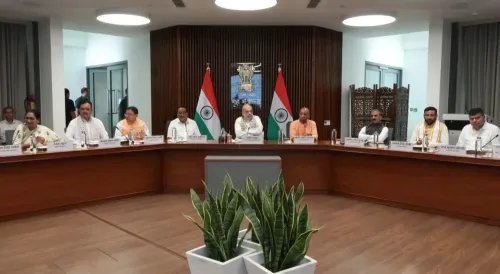
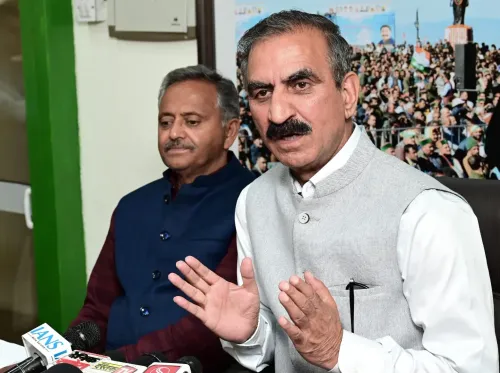
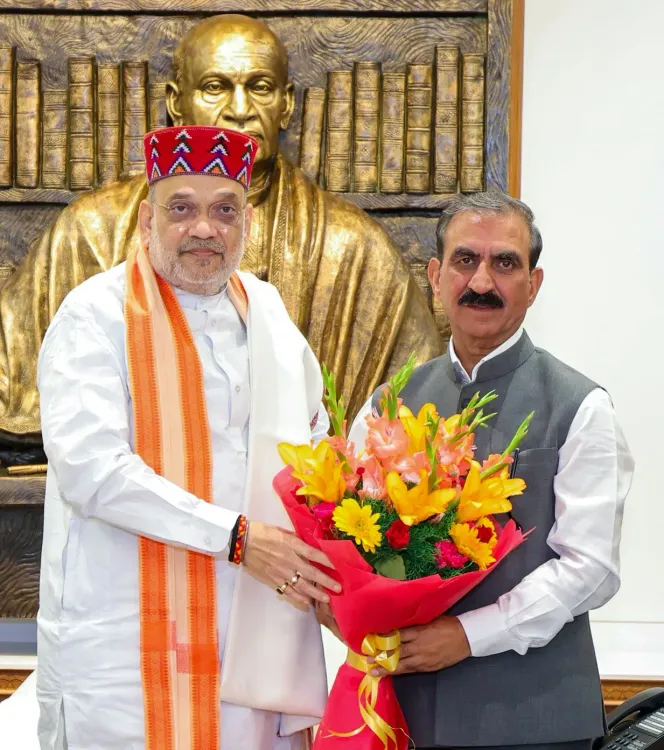
Himachal Pradesh CM Sukhvinder Sukhu met Home Minister Amit Shah on Tuesday in New Delhi , ending an eight-year deadlock over the Kishau dam project .
The Centre agreed in principle that ₹2,000 crore in power-component costs will be borne by beneficiary states Delhi , Rajasthan , and Haryana .
The 422 MW dam on the Tons river (Uttarakhand-Himachal border) has a total estimated cost of ₹15,000 crore .
The previous Himachal government had agreed to pay ₹800 crore ; the Sukhu government refused, citing limited state resources.
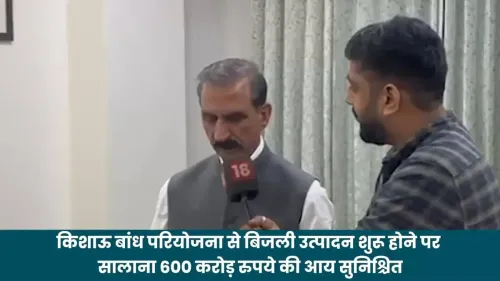
Himachal Pradesh will receive 100 crore units of electricity per year , worth approximately ₹600 crore annually, once the project is operational.
Himachal Pradesh Chief Minister Sukhvinder Sukhu on Tuesday met Union Home Minister Amit Shah in New Delhi and secured a breakthrough in the long-running financial dispute over the 422 MW Kishau dam project, ending an eight-year deadlock. The Centre has, in principle, agreed that the ₹2,000 crore power-component cost attributable to Himachal Pradesh will instead be borne by the three beneficiary states of the water component — Delhi, Rajasthan, and Haryana.
The Kishau Dam Project
The Kishau dam is proposed to be built on the Tons river, along the border of Uttarakhand and Himachal Pradesh, at an estimated total cost of ₹15,000 crore, according to a state government statement. The project has a power generation capacity of 422 MW and carries significant water-sharing implications for downstream states.
Why Himachal Refused to Pay
The previous Himachal Pradesh government had agreed to contribute ₹800 crore as the state's share toward the power component — a commitment the current Sukhu-led government rejected, citing the state's limited fiscal resources. Chief Minister Sukhu argued that while the Centre provides a 90 per cent grant for the water component, no comparable assistance was extended for the power component, making the arrangement inequitable.
Sukhu further noted that communities in the project area will face displacement, and the state will absorb the maximum ground-level losses from construction. 'Therefore, it is unfair for the State to bear financial burden further and its contribution towards the nation's progress should be compensated suitably,' he said.
What Himachal Pradesh Stands to Gain
Despite resisting the financial outlay, Himachal Pradesh is set to receive its proportional share of 100 crore units of electricity per year from the power component once the dam is operational. This translates to an estimated annual revenue of approximately ₹600 crore, providing a meaningful addition to the state's income.
Who Was at the Meeting
The high-level discussion was attended by Union Minister for Power Manohar Lal Khattar, Union Jal Shakti Minister C.R. Patil, chief ministers of the beneficiary states, and senior officials from the relevant central ministries. The broad representation signals that the Centre is treating this as a multi-state coordination matter rather than a bilateral dispute.
What Happens Next
With the financial impasse resolved in principle, formal approvals and inter-state cost-sharing agreements are expected to follow. The resolution clears a critical hurdle that had stalled the project for nearly a decade, and construction timelines are now likely to be revisited by the concerned ministries.
Point of View
It could reshape how future multi-state river projects are structured. States like Uttarakhand, which also hosts major hydro assets, will be watching closely.
NationPress
15 Sept 2026
Frequently Asked Questions
What is the Kishau dam project?
The Kishau dam is a proposed 422 MW hydropower project on the Tons river, along the Uttarakhand-Himachal Pradesh border, with a total estimated cost of ₹15,000 crore. It has both a power component and a water-sharing component benefiting downstream states.
Why was there an eight-year deadlock over the Kishau dam?
The deadlock centred on who would bear the ₹2,000 crore power-component cost on Himachal Pradesh's side. The previous state government had agreed to pay ₹800 crore, but the current Sukhu government rejected this, arguing it was inequitable given the state's displacement burden and limited resources.
Who will now pay the ₹2,000 crore power component cost?
The Centre has agreed in principle that Delhi, Rajasthan, and Haryana — the three states benefiting from the water component of the project — will bear the ₹2,000 crore power-component cost attributable to Himachal Pradesh.
What does Himachal Pradesh gain from the Kishau dam?
Himachal Pradesh will receive 100 crore units of electricity per year from the project's power component, generating an estimated ₹600 crore in annual revenue for the state after construction is complete.
Who attended the high-level meeting on the Kishau dam?
The meeting was chaired by Home Minister Amit Shah and attended by Union Power Minister Manohar Lal Khattar, Union Jal Shakti Minister C.R. Patil, chief ministers of the beneficiary states, and senior officials from relevant central ministries.