Bihar CM Office Orders Exam Logistics Boost for Candidates
Synopsis
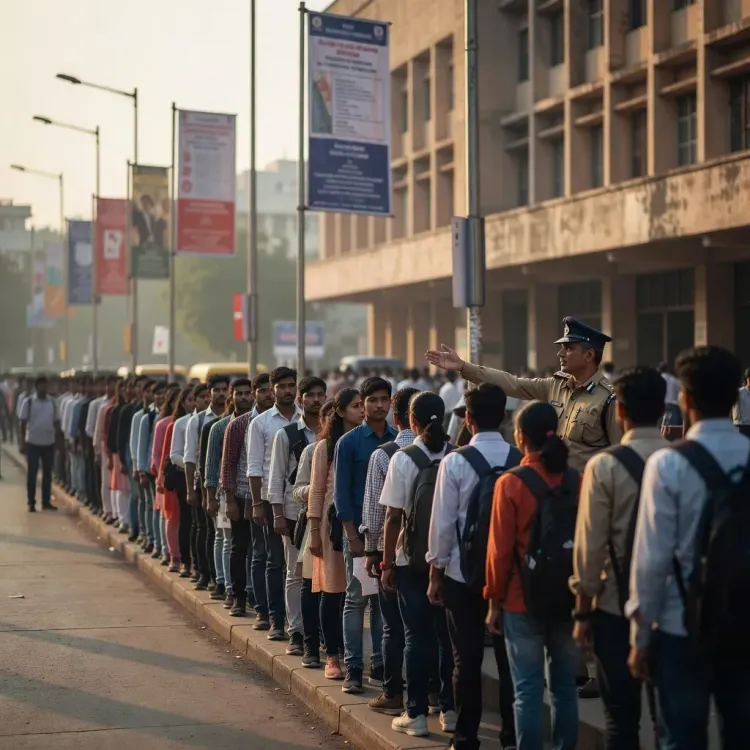
The Chief Minister's Office of Bihar has directed officials to strengthen traffic management, guidance networks, and information systems for examination candidates and their guardians, with a special emphasis on attending to all candidate needs during the exam period.
Key Takeaways
The Chief Minister's Office of Bihar issued the directive on 5 June 2026 .
Officials have been instructed to make traffic management, guidance, and information systems effective for candidates and their parents.
Special attention to all needs and facilities of candidates during examinations has been specifically mandated.
The directive follows a pattern of pre-examination preparedness orders issued by the Bihar government in prior exam cycles.
Primary beneficiaries are examination candidates and their guardians who travel to exam centres across the state.
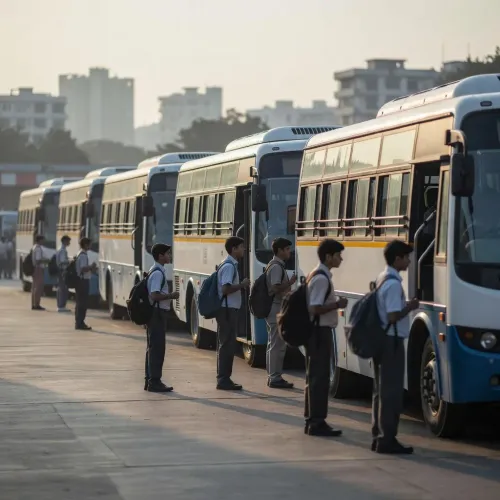
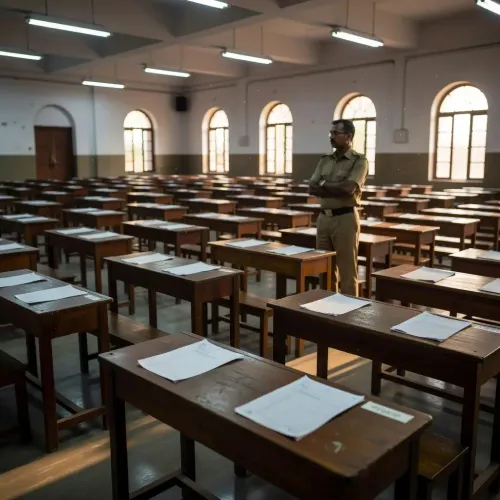
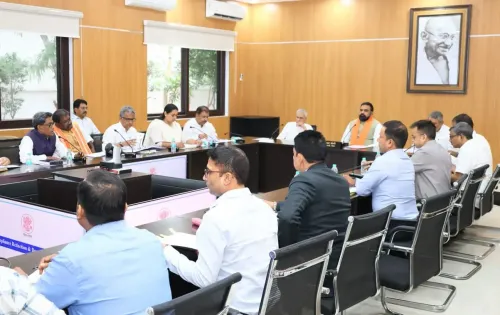
The Chief Minister's Office of Bihar issued a directive on Friday, 5 June 2026, instructing officials to strengthen traffic management, guidance systems, and information networks for examination candidates and their guardians across the state.
Context
The official post, shared from the Chief Minister's Office of Bihar, stated that officers have been directed to make traffic management, guidance, and information systems effective for the convenience of candidates and their parents. The original Hindi reads: 'अभ्यर्थियों एवं उनके अभिभावकों की सुविधा के लिए यातायात प्रबंधन, मार्गदर्शन एवं सूचना तंत्र को प्रभावी बनाया जाए' ('traffic management, guidance, and information systems should be made effective for the convenience of candidates and their parents'). Officials have also been asked to take special care of all needs and facilities of candidates during the examination period.
Policy Backdrop
The Bihar government has periodically issued instructions for the orderly conduct of public examinations following past incidents involving logistical shortfalls and concerns about examination integrity. Chief Minister Nitish Kumar, who has led the state since 2005 with brief interruptions, has made governance reforms around public examinations a recurring administrative priority. Similar directives have appeared in state communications around major exam cycles, reflecting an institutional pattern of pre-examination preparedness orders.
The broader thrust of these measures is to reduce inconvenience for candidates who often travel long distances to examination centres, and to enhance the perceived fairness and efficiency of the state's recruitment and academic processes. Coordinated traffic management and on-ground guidance are considered critical for high-footfall examination events in a state with a large aspirant population.
Stakeholders and Impact
The directive directly benefits examination candidates and their parents and guardians, who frequently face difficulties navigating congested routes to exam venues and locating facilities. Effective information networks — including signage, helpdesks, and official communication channels — are expected to reduce confusion and last-minute hardship on examination days. District-level officials and law enforcement agencies responsible for traffic deployment are the primary implementing bodies under this order.
For a state with a young and aspirationally driven population, smooth examination logistics carry significant social weight. Any disruption to major exam cycles tends to attract sharp public scrutiny, making proactive administrative action both a governance and a political necessity for the Bihar administration.
What's Next
Attention will now turn to the on-ground rollout of traffic, guidance, and facility arrangements during the next major Bihar examination cycle. Follow-up government orders, review meetings, and field-level compliance reports will indicate how effectively the directive is translated into action. If the administration delivers on the stated commitments, it could set a replicable model for examination logistics management in other states with similarly large candidate pools.
Point of View
The government signals that candidate welfare during exams is a priority concern, not a departmental afterthought. This fits a broader arc in which Chief Minister Nitish Kumar has used visible governance gestures around public examinations to reinforce his administration's competence narrative. Whether the directive produces measurable on-ground change will depend on district-level follow-through — the perennial gap between state-level orders and field-level execution in large states.
NationPress
21 Oct 2026
Frequently Asked Questions
What did the Bihar CM Office direct officials to do for exam candidates?
The Bihar CM Office directed officials to strengthen traffic management, guidance systems, and information networks to ensure the convenience and comfort of examination candidates and their parents during the exam period.
Which exam is this Bihar government directive about?
The specific examination referenced in the directive has not been named in the official communication. The instruction appears to be a general preparedness order applicable to upcoming major examination cycles in Bihar.
Who is the Chief Minister of Bihar in 2026?
Nitish Kumar is the Chief Minister of Bihar. He has held the position since 2005 with brief interruptions and oversees state administration including directives on public examinations.
What steps is the Bihar government taking to help exam candidates?
The Bihar government has ordered effective traffic management near exam centres, on-ground guidance systems, and robust information networks, along with special attention to all candidate needs and facilities during examinations.
Why does Bihar issue special orders before major examinations?
Bihar has a large aspirant population and has faced logistical challenges during past examination cycles. Pre-exam directives are issued to ensure orderly conduct, reduce candidate inconvenience, and maintain the perceived fairness of the examination process.