CM Nitish Orders Bihar Depts to Simplify Licences
Synopsis
Chief Minister Nitish Kumar has directed all Bihar government departments to review every licence, permission, inspection procedure, and reporting requirement under their purview and submit concrete simplification proposals within a stipulated timeframe, signalling a broad push to reduce regulatory burden across the state.
Key Takeaways
CM Nitish Kumar issued a directive on 1 June 2026 ordering all Bihar government departments to review their regulatory obligations.
The review covers licences, permissions, inspection procedures, and reporting requirements across every department.
Departments must submit concrete simplification proposals within a stipulated timeframe set by the Chief Minister's Office.
The move builds on Bihar's Industrial Investment Promotion Policy 2016 , which had earlier pushed for single-window clearances.
Primary beneficiaries are expected to be entrepreneurs and MSMEs seeking to reduce compliance costs in the state.
The directive aligns with a broader national trend of regulatory simplification drives pursued by Indian states to improve ease-of-doing-business rankings.
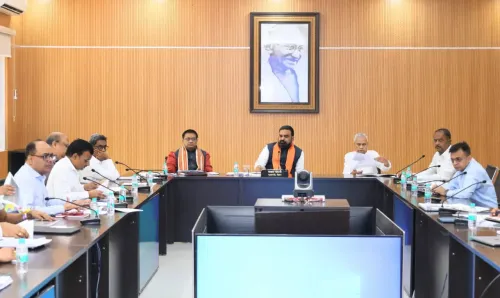
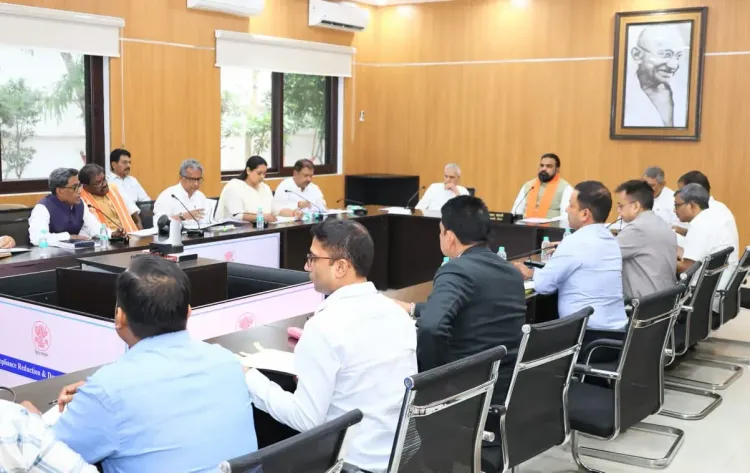
The Chief Minister's Office of Bihar, posting from its official account on Monday, 1 June 2026, announced that Chief Minister Nitish Kumar has directed all state government departments to conduct a comprehensive review of licences, permissions, inspection procedures, and reporting requirements under their purview, and to submit concrete proposals for their simplification within a stipulated timeframe.
The post stated in Hindi: 'माननीय मुख्यमंत्री जी ने सभी विभागों को निर्देश देते हुए कहा कि वे अपने अधीन आने वाले सभी लाइसेंस, अनुमतियों, निरीक्षण प्रक्रियाओं एवं रिपोर्टिंग आवश्यकताओं की व्यापक समीक्षा करें तथा निर्धारित समयसीमा के भीतर उनके सरलीकरण हेतु ठोस प्रस्ताव प्रस्तुत करें।' [The honourable Chief Minister, while directing all departments, stated that they should conduct a comprehensive review of all licences, permissions, inspection procedures, and reporting requirements under their purview, and present concrete proposals for their simplification within the stipulated timeframe.]
Context
Bihar has periodically undertaken administrative reform drives under Chief Minister Nitish Kumar, who has led the state since 2005 with a stated focus on governance efficiency and development. The latest directive marks a structured, department-wide push to identify and reduce procedural burdens that businesses and citizens face when seeking regulatory approvals from the state. The instruction covers the full spectrum of compliance obligations — from obtaining licences and permissions to undergoing inspections and filing periodic reports — signalling that no single sector or ministry is exempt from the review.Policy Backdrop
Bihar's Industrial Investment Promotion Policy 2016 had earlier sought to encourage single-window clearance systems and time-bound approvals to attract private investment into the state. The current directive can be read as a continuation and deepening of that philosophy, extending simplification goals beyond industrial clearances to the broader regulatory architecture of the state government. Across India, multiple states have pursued regulatory simplification exercises since the mid-2010s, driven by competitive federalism and the desire to improve ease-of-doing-business rankings. These drives typically target overlapping licences, redundant inspections, and duplicative filings in sectors such as labour, environment, and local governance. Bihar's move aligns with this established national pattern.Stakeholders and Impact
Entrepreneurs and micro, small, and medium enterprises (MSMEs) stand to benefit most directly if departments follow through with meaningful simplification proposals. Reduced compliance burdens can lower the cost and time required to start or operate a business in the state, potentially improving Bihar's investment climate. For citizens, streamlined inspection and reporting processes could mean fewer interactions with government offices and faster resolution of routine regulatory matters. The breadth of the directive — covering all departments — suggests the government intends a systemic overhaul rather than a targeted, sector-specific fix.What's Next
The key deliverable now is the department-wise submission of simplification proposals within the timeframe set by the Chief Minister's Office. Observers will watch whether these proposals translate into formal government orders notifying withdrawn requirements, merged licences, or digitised inspection regimes. The credibility of the exercise will ultimately rest on implementation: whether procedural changes are notified, whether compliance calendars are eased, and whether the state's ease-of-doing-business metrics reflect tangible improvement in the months ahead.Point of View
All-department scope of this directive is notable: rather than targeting a single sector, the Chief Minister's Office is signalling a systemic intent to audit the state's entire regulatory architecture. For Nitish Kumar, who has built his political identity around administrative competence, such exercises serve a dual purpose — genuine reform and visible governance optics ahead of potential electoral cycles. The real test will be whether department-level proposals move beyond paper and result in notified changes to compliance calendars and licence regimes. Bihar's trajectory on ease-of-doing-business metrics over the next two to three quarters will be a credible scorecard for this initiative.
NationPress
16 Oct 2026
Frequently Asked Questions
What has Bihar CM Nitish Kumar ordered departments to do?
Chief Minister Nitish Kumar has directed all Bihar government departments to comprehensively review every licence, permission, inspection procedure, and reporting requirement under their control, and to submit concrete proposals for simplifying them within a fixed deadline.
Why is Bihar reviewing its licences and inspection procedures?
The review is aimed at reducing the regulatory and compliance burden on businesses and citizens, improving Bihar's ease-of-doing-business environment, and continuing the state's administrative reform agenda that dates back to the Bihar Industrial Investment Promotion Policy 2016 .
Who benefits from Bihar's regulatory simplification drive?
Entrepreneurs and MSMEs are the primary beneficiaries, as simplified licences and fewer inspections lower the cost and time required to operate a business. Citizens dealing with routine government approvals are also expected to see faster processing.
Is Bihar the only state doing this kind of regulatory review?
No. Multiple Indian states have undertaken similar regulatory simplification exercises since the mid-2010s as part of competitive federalism, seeking to attract investment by reducing overlapping licences, inspections, and filings. Bihar's directive follows this established national pattern.
What happens after departments submit their simplification proposals in Bihar?
Once departments submit their proposals, the next step would be formal government orders notifying simplified or withdrawn requirements. Observers will track whether these changes are implemented and reflected in Bihar's ease-of-doing-business rankings.